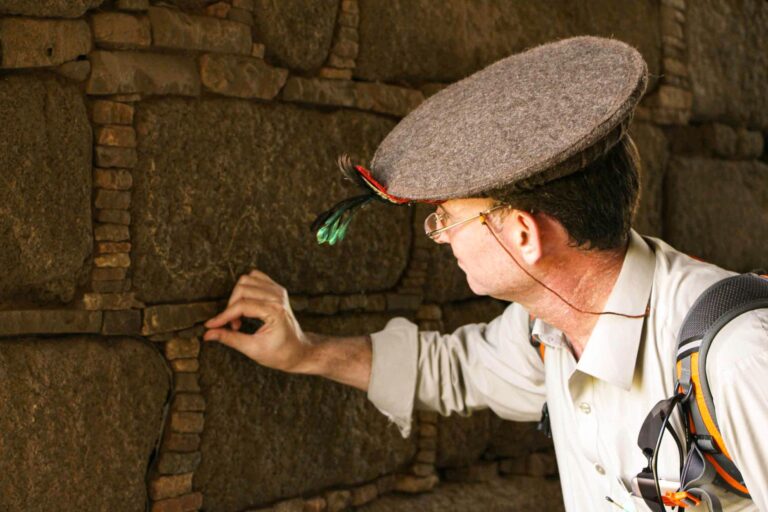
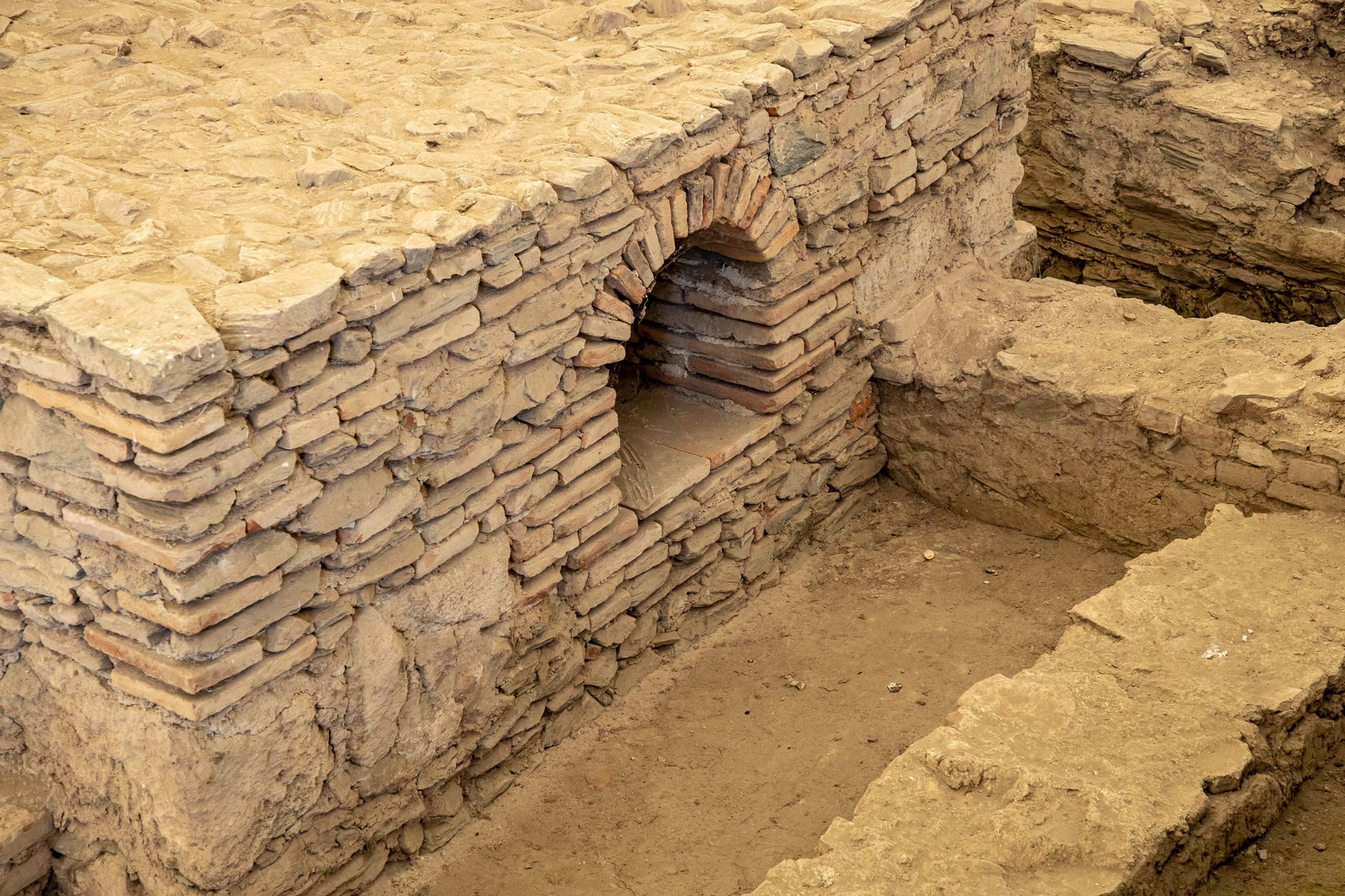
Every artifact and ancient site is on a clock. Stone erodes, pigments fade, climate shifts, conflict and looting take their toll, and even careful handling wears an object down over centuries. Digital preservation stops that clock, at least for the record. By scanning artifacts and heritage sites in precise, photoreal 3D, we create a permanent, measurable archive of cultural heritage as it exists today, so that even if the original is damaged or lost, the knowledge of it survives. And because so much of what is worth preserving sits far off the map, we travel to remote sites to capture it.
This is mission-driven work we are proud to do for museums, universities, governments, and conservation organizations, and we deliver it to institutions anywhere in the world. This pillar explains digital preservation and links to the deeper guides.
What is digital preservation?
Digital preservation is the practice of capturing cultural heritage, objects, structures, and whole sites, as accurate 3D data that can be archived, studied, shared, and, if necessary, used to guide physical restoration. It does not replace the original; it insures it. A high-fidelity scan records exact geometry, surface, and colour, creating a digital twin that outlasts the fragile physical thing it represents.
The core capture techniques, photogrammetry and 3D scanning, are the same ones we use across our heritage work, explained in photogrammetry for heritage.
Why it matters now
Heritage is being lost faster than it can be conserved. Climate change accelerates erosion and flooding; conflict and looting destroy sites outright; mass tourism wears down what it comes to admire; and time is relentless. Digital preservation is the one intervention that scales: it is non-destructive, repeatable, and permanent. When a monument has later been damaged by fire or war, earlier scans have guided faithful restoration, proof that the record is not just an archive but a lifeline.
You cannot stop time from touching an artifact. You can make sure that what it teaches us is never lost.
From single objects to entire sites
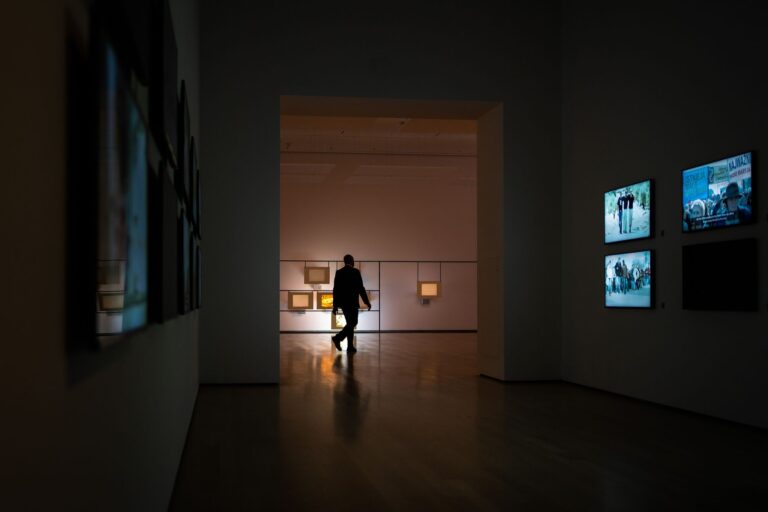
Preservation happens at every scale. At the object level, museum-grade artifact scanning captures a statue, tablet, or tool in study-quality detail. At the site level, structures and landscapes are documented, often the most urgent work when a place is endangered. The same data can rebuild a site as a full digital reconstruction or power a virtual museum.
Reaching what’s worth saving
Much of the world’s heritage is remote: desert ruins, mountain monasteries, jungle temples, island sites. Documenting them takes more than a scanner; it takes the ability to travel to remote sites and work there, drawing on our expedition capture capability. Getting to the places that are hardest to reach, and most at risk, is central to what we offer.
Where to start
Institutions often assume digitization is bigger and costlier than it is. It can start small and grow. We help plan and scope projects of any size, covered in how to start a heritage digitization project, and deliver the results to your team remotely.
Have a collection or site that should be preserved before it’s lost? Start a digital preservation project with Sinfull Studios.
Frequently Asked Questions
What is digital preservation of cultural heritage?
It is capturing artifacts, structures, and sites as accurate, photoreal 3D data that can be archived, studied, shared, and used to guide physical restoration. It doesn’t replace the original; it creates a permanent, measurable digital twin that outlasts the fragile original.
Why is digital preservation important?
Heritage is being lost to erosion, climate change, conflict, looting, and tourism faster than it can be conserved. Digital preservation is non-destructive, repeatable, and permanent, and earlier scans have guided faithful restoration of monuments later damaged by fire or war.
Can heritage preservation projects be done remotely?
The capture happens on site, but the resulting 3D data, archives, and deliverables are digital and can be delivered to museums, universities, and governments anywhere, with collaboration and review handled through the cloud.