Many institutions put off digitization because it sounds enormous and expensive. It does not have to be. A heritage digitization project can start with a single shelf of objects or one at-risk structure and grow from there, and a clear, phased plan keeps both the cost and the risk under control. Here is how to start, and what drives the budget.
This is the practical guide to the work described across our digital preservation series.
Start with why, then what
Define the goal first: are you preserving at-risk items, opening a collection to the public, supporting research, or all three? The purpose shapes everything, the fidelity you need, the formats, and the deliverables. A research archive and a public virtual museum demand different things, and being clear up front prevents expensive rework.
Begin with a pilot
The smartest first step is a small pilot: a representative selection of objects or one site. A pilot proves the workflow, produces real results to show stakeholders and funders, and gives you accurate numbers to plan a larger program. It turns an intimidating idea into a concrete, fundable next step.
What drives the cost
Scale and quantity
How many objects or how large a site. Collections scanned to a consistent standard benefit from economies of scale once the workflow is set.
Fidelity required
Research-grade, sub-millimetre capture costs more than web-quality models. Match the fidelity to the actual use, not the maximum possible.
Access and travel
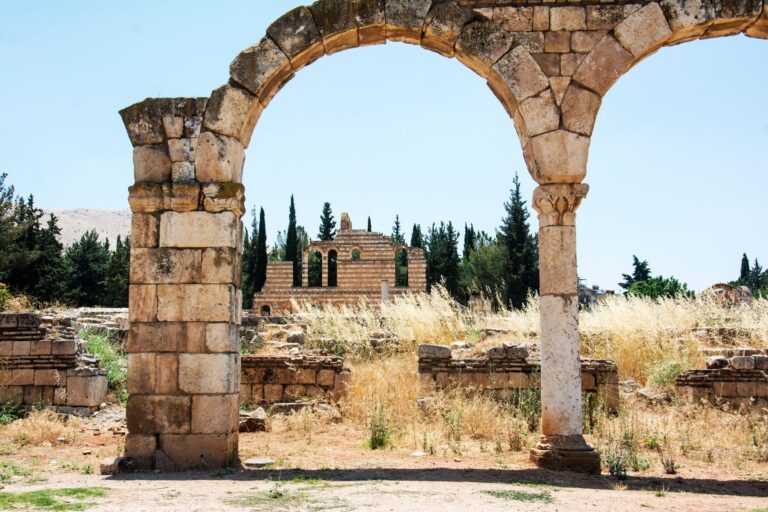
On-site and especially remote-site work adds logistics. Object scanning at an accessible facility is far simpler than an expedition to a mountain ruin.
Deliverables
Raw archive models cost less than a finished virtual museum or reconstruction, though one capture can feed several outputs.
The best digitization program is the one that actually starts. Begin small, prove it, and grow.
Funding and standards
Digitization projects are often grant-fundable, and a pilot’s concrete results strengthen an application. Building to recognized preservation standards from day one, proper metadata and durable formats, protects the investment and satisfies funders. We can help you scope a project that fits both your goals and a grant’s requirements.
How we help
We work with institutions of any size to plan, scope, and deliver digitization, from a single pilot to a full program, capturing on site or remotely and delivering archive-ready results to your team wherever you are.
Thinking about digitizing a collection or site? Tell us your goal and we’ll scope a realistic plan.
Frequently Asked Questions
How much does a heritage digitization project cost?
It depends on scale, the fidelity required, how much travel and site access is involved, and the deliverables. Object scanning at an accessible facility is far cheaper than a remote expedition, and research-grade capture costs more than web-quality models. Starting with a small pilot gives accurate numbers to plan from.
How should an institution start digitizing its collection?
Define the goal first (preservation, public access, research), then run a small pilot on a representative selection. A pilot proves the workflow, produces results to show funders, and yields accurate figures to plan and fund a larger program.
Are heritage digitization projects grant-fundable?
Often yes. Digitization projects are frequently eligible for grants, and a pilot’s concrete results strengthen applications. Building to recognized preservation standards with proper metadata and durable formats protects the investment and helps satisfy funders.