For most of human history, a lost civilization stayed lost. We had ruins, fragments, a few written accounts, and the imagination of whoever stood in the rubble trying to picture what once stood there. That has changed. With photogrammetry, real-time game engines, virtual production, and careful historical research, it is now possible to rebuild a vanished city, temple, or whole way of life as a navigable, photoreal, interactive world. We can, in a real and useful sense, bring ancient civilizations back.
This is the work we do at Sinfull Studios, and we do it for clients anywhere in the world. This pillar explains how digital reconstruction actually works, what it is good for, and how the pieces fit together. The deeper how-tos live in the linked guides below.
What does it mean to digitally reconstruct a civilization?
Digital reconstruction is the process of rebuilding a historical place, structure, or object as an accurate three-dimensional digital model, then bringing it to life with lighting, materials, motion, and often interactivity. The output can be a still image, a film shot, a real-time walkthrough, a museum installation, a VR experience, or a game level. The common thread is that something that no longer exists, or exists only as a ruin, is made whole and explorable again.
Done well, it is not guesswork dressed up in pretty graphics. It is research made visible. Every column height, roof pitch, paint colour, and street layout is a decision backed by archaeology, surviving structures, written sources, and expert consultation, then rendered with modern tools so a viewer can simply walk in and understand.
The four technologies that make it possible
Four capabilities, used together, are what turn a pile of references into a living world:
1. Photogrammetry and 3D scanning
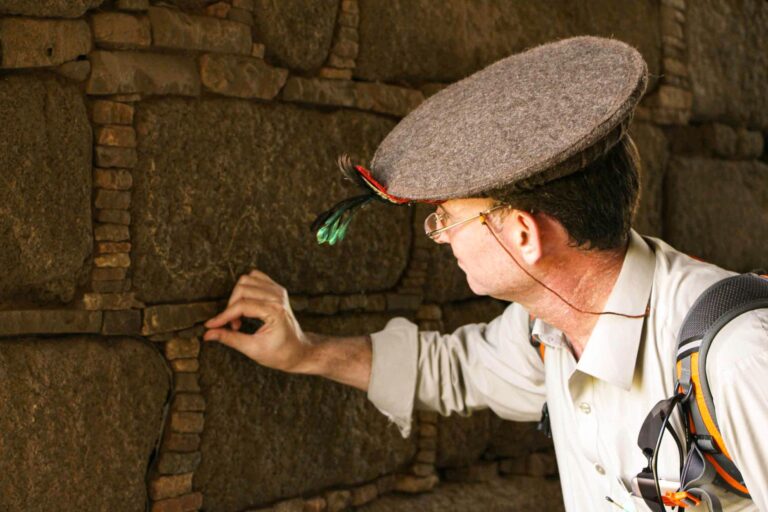
Hundreds or thousands of photographs of a real ruin, artifact, or landscape are processed into an exact 3D model with real surface detail. This anchors a reconstruction in reality: you start from what genuinely survives, then rebuild outward from there. We cover this in photogrammetry for heritage.
2. Real-time engines (Unreal Engine)
Game engines like Unreal render photoreal environments you can move through instantly, in real time, instead of waiting hours per frame. This is what makes a reconstruction explorable rather than just a fixed picture. See how we rebuild a lost city in Unreal Engine.
3. Virtual production
LED volumes and virtual sets let filmmakers shoot actors inside the reconstructed world, with correct lighting and parallax, instead of green screen guesswork. History becomes a place you can film in. More in virtual production meets history.
4. Interactivity and real-time delivery
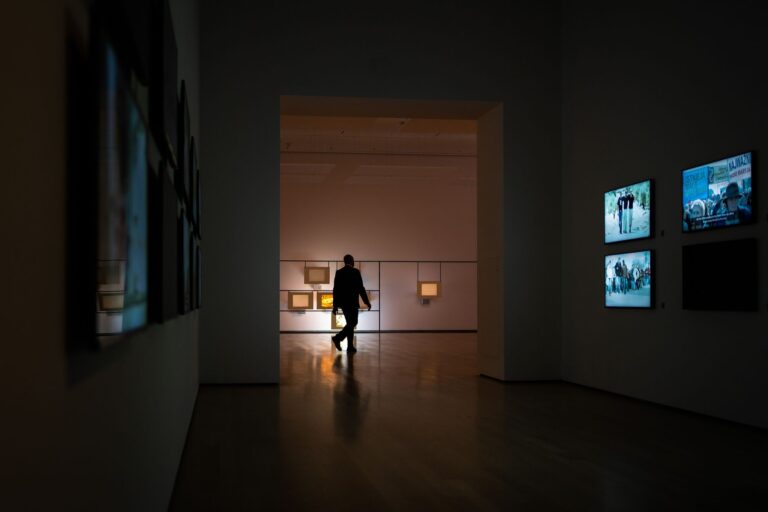
The same world can become a museum kiosk, a classroom tool, a VR tour, or a game. The audience stops watching history and starts exploring it. See building interactive history experiences.
Who actually needs this?
Digital reconstruction is not a novelty. It is a working tool for several fields: museums and heritage sites that want to show visitors what a ruin looked like whole; documentary and film productions that need historically grounded environments; educators who want students to walk through a period rather than read about it; tourism boards bringing a site to life; and game and media studios building historically rich worlds. If any of that is you, the practical question is usually budget and scope, which we break down in what it costs to reconstruct a historical site.
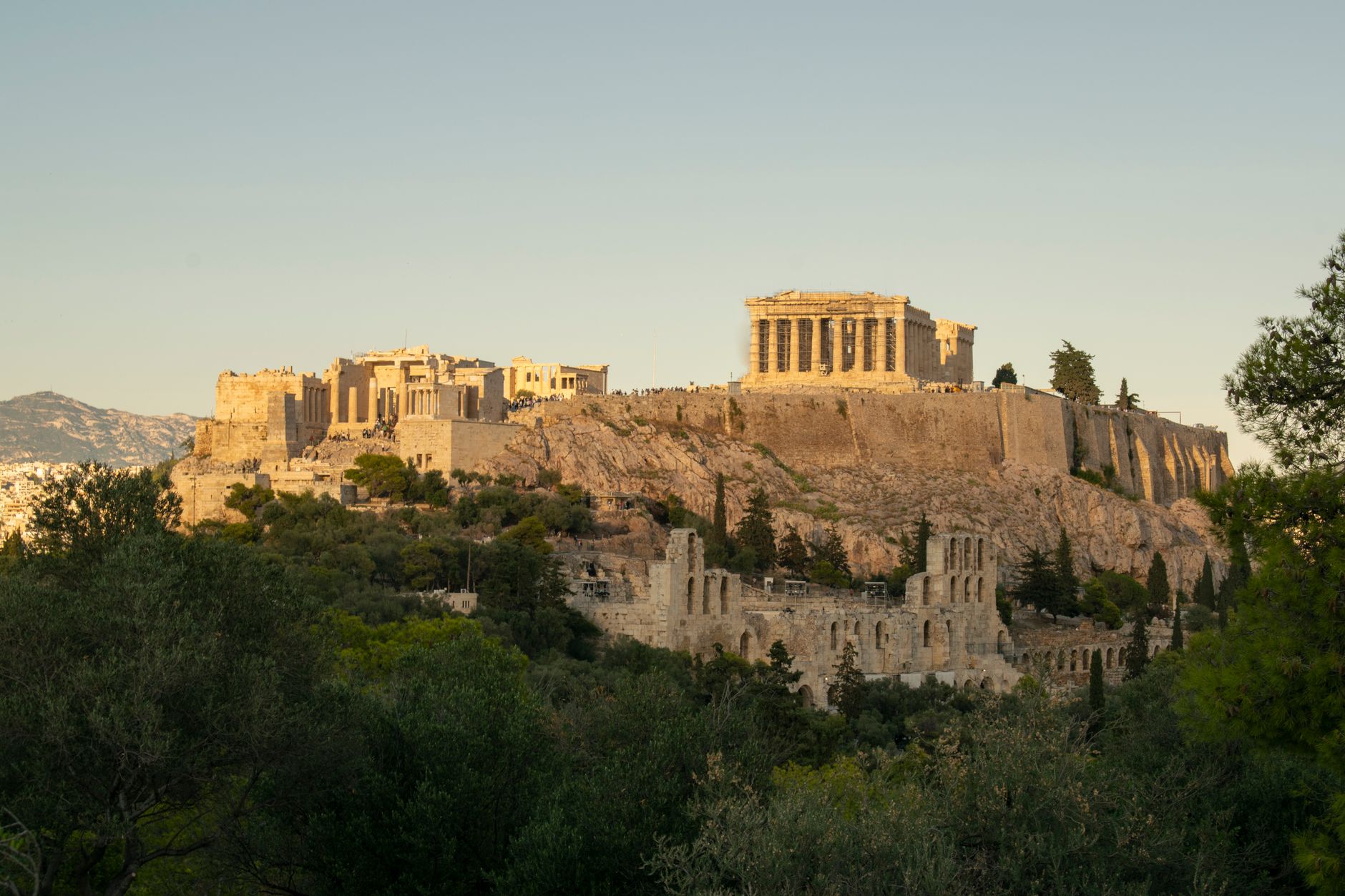
A ruin tells you something was here. A reconstruction tells you what it was like to be here.
Why work with a remote studio for this?
Reconstruction work is digital from end to end, which means it does not require us to be in the same room, city, or country as you. We collaborate with museums, producers, educators, and developers worldwide: you send us references, scans, site access, or scholarship; we build, share progress through cloud review, and deliver in whatever format you need. Distance is not a constraint on this kind of work, which is exactly why it suits a remote engagement.
Have a site, story, or civilization you want brought back to life? Start a remote reconstruction project with Sinfull Studios.
Frequently Asked Questions
What is digital reconstruction of a historical site?
It is rebuilding a historical place, structure, or object as an accurate 3D digital model and bringing it to life with lighting, materials, and often interactivity. The result can be a still image, a film environment, a real-time walkthrough, a VR experience, or a game level, grounded in archaeology and historical sources rather than guesswork.
What technologies are used to bring ancient civilizations back to life?
Four work together: photogrammetry and 3D scanning to capture what survives, real-time engines like Unreal to make the world explorable, virtual production to film actors inside it, and interactive delivery for museums, classrooms, VR, and games.
Can a reconstruction project be done remotely?
Yes. The work is fully digital, so studios can collaborate with museums, producers, and educators anywhere. The client provides references, scans, or scholarship; the studio builds and shares progress through cloud review and delivers in the required format.