Rebuilding a lost city used to mean months of offline rendering and a final result you could only watch, never enter. With a real-time engine like Unreal Engine, you can walk down a reconstructed ancient street the same afternoon you block it out, adjust a building, and see the change instantly. This is the single biggest reason historical reconstruction has become practical rather than purely academic. Here is how we approach rebuilding a lost city, start to finish.
This is a companion to our overview of digitally reconstructing ancient civilizations.
Step 1: Research before a single polygon
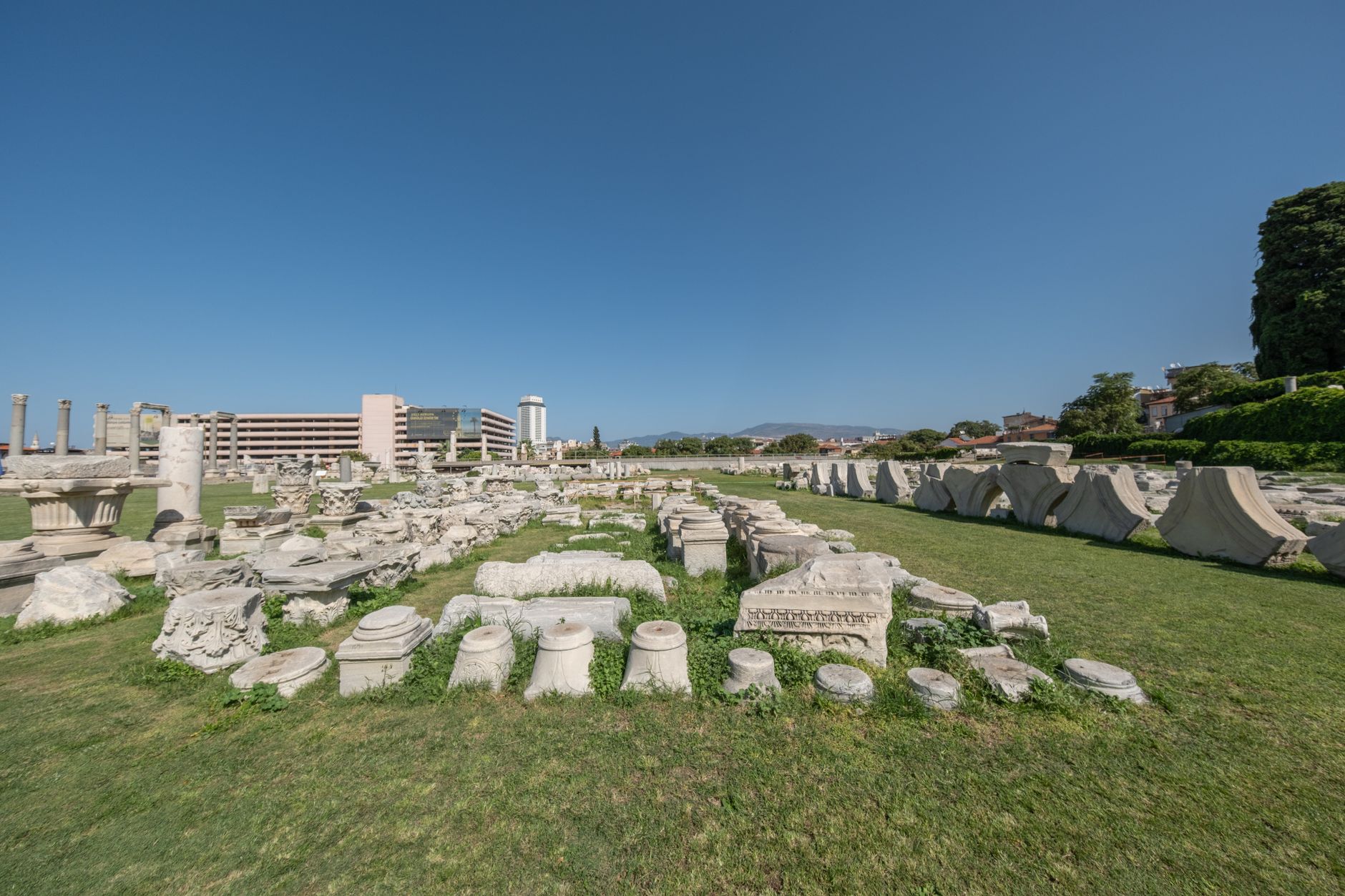
Accuracy is the whole value, so the build starts with sources, not software. Excavation reports, surviving structures of the same period and region, written accounts, surviving art, and expert consultation set the rules: how tall, what materials, what colours, what the streets and skyline looked like. We assemble this into a visual reference bible before modelling, so every later decision can point back to evidence.
Step 2: Photogrammetry of what survives
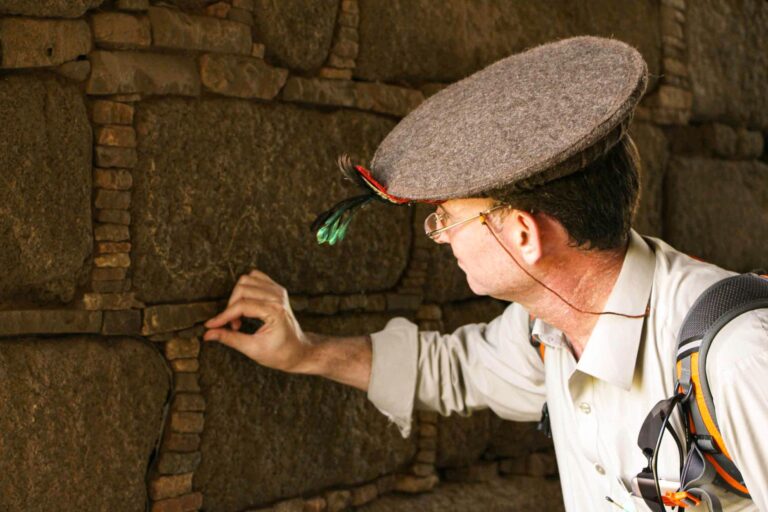
Where ruins or period-accurate materials still exist, we capture them with photogrammetry: real stone, plaster, timber, and ground textures scanned from reality. Building from genuine surviving surfaces is what keeps a reconstruction from looking like a clean video-game fantasy. It carries the weathering and imperfection of the real thing.
Step 3: A modular kit, not one giant model
Ancient construction was often modular and repetitive: standard columns, blocks, roof tiles, wall sections. We exploit that by building a kit of reusable, historically accurate pieces, then assembling the city from them. This is faster, stays consistent, and mirrors how the place was actually built. A well-made kit can populate an entire district while keeping every piece grounded in the same rules.
Step 4: Lighting, atmosphere, and life
A city is not just geometry. We light it for the right latitude and time of day, add atmosphere (dust, smoke, sea haze), and populate it with the signs of life: market stalls, crowds, laundry, livestock, wear on the stones. Real-time lighting in Unreal lets us move the sun through a full day in seconds to find the moment that tells the story best.
Step 5: Real-time delivery in any format
Because the city lives in a real-time engine, the same build can output cinematic shots, an interactive walkthrough, a virtual-production stage for filming actors inside it, or an interactive museum experience. One reconstruction, many deliverables, which is what makes the investment pay off.
Build the city once, correctly, and it can become a film set, a museum exhibit, and a classroom in the same week.
How long does it take?
A single landmark structure can come together in weeks; a full district or city is a multi-month effort scaled to the detail and accuracy required. The biggest variables are how much reference exists and how close you need to get to the ground. We scope this honestly up front, see reconstruction costs.
Want a lost city, temple, or street rebuilt in real time? Tell us what you want to reconstruct.
Frequently Asked Questions
Why use Unreal Engine for historical reconstruction?
Unreal renders photoreal environments in real time, so a reconstruction becomes explorable instantly instead of requiring hours of offline rendering per frame. The same build can then output film shots, interactive walkthroughs, virtual-production stages, and museum experiences.
How do you keep a rebuilt city historically accurate?
The build starts from sources, not software: excavation reports, surviving structures, written accounts, period art, and expert consultation form a reference bible. Photogrammetry of real surviving materials anchors textures, and a modular kit of evidence-based pieces keeps the whole city consistent.
How long does it take to rebuild a historical city digitally?
A single landmark can take weeks; a full district or city is a multi-month project scaled to the required accuracy and detail. The main variables are how much reference material exists and how close the viewer will get to surfaces.