Paint Finishes: What Each One Is Actually For
The finish you choose affects how a room looks, how it cleans, and how long it holds up. Getting this wrong is a common and fixable mistake — but it is easier to get it right the first time.
Flat (matte). Flat finish absorbs light rather than reflecting it, which hides surface imperfections well. That makes it a common choice for ceilings and for feature walls in low-traffic rooms. The tradeoff: it is harder to wipe clean without marking the paint surface. Not a good choice for kitchens, bathrooms, or anywhere with heavy use.
Eggshell. A slight sheen — more than flat, far less than satin. Eggshell is a practical all-rounder for living rooms and bedrooms. It wipes clean reasonably well, looks good on walls that are not perfectly smooth, and does not draw attention to minor surface irregularities the way higher-sheen finishes do. Most residential living areas in Regina are well-served by a quality eggshell.
Satin. A noticeable sheen that holds up well to cleaning and humidity. Satin is the right call for kitchens, bathrooms, laundry rooms, and hallways — high-traffic, high-moisture areas where durability matters more than hiding surface variation. The shinier the finish, the more it reveals imperfections in the wall underneath, so satin requires better prep than eggshell or flat.
Semi-gloss. High durability, significant sheen, easy to clean. Semi-gloss belongs on trim, doors, window casings, and baseboards — not typically on walls unless you are going for a specific look. It shows everything underneath it. If your trim prep is not solid, semi-gloss will advertise that fact.
Why Surface Prep Determines 80 Percent of the Result
Paint is a coating. It does not fix what is underneath — it covers it. And in most cases, it covers it less thoroughly than you expect, because wet paint levels out and reveals texture once it dries.
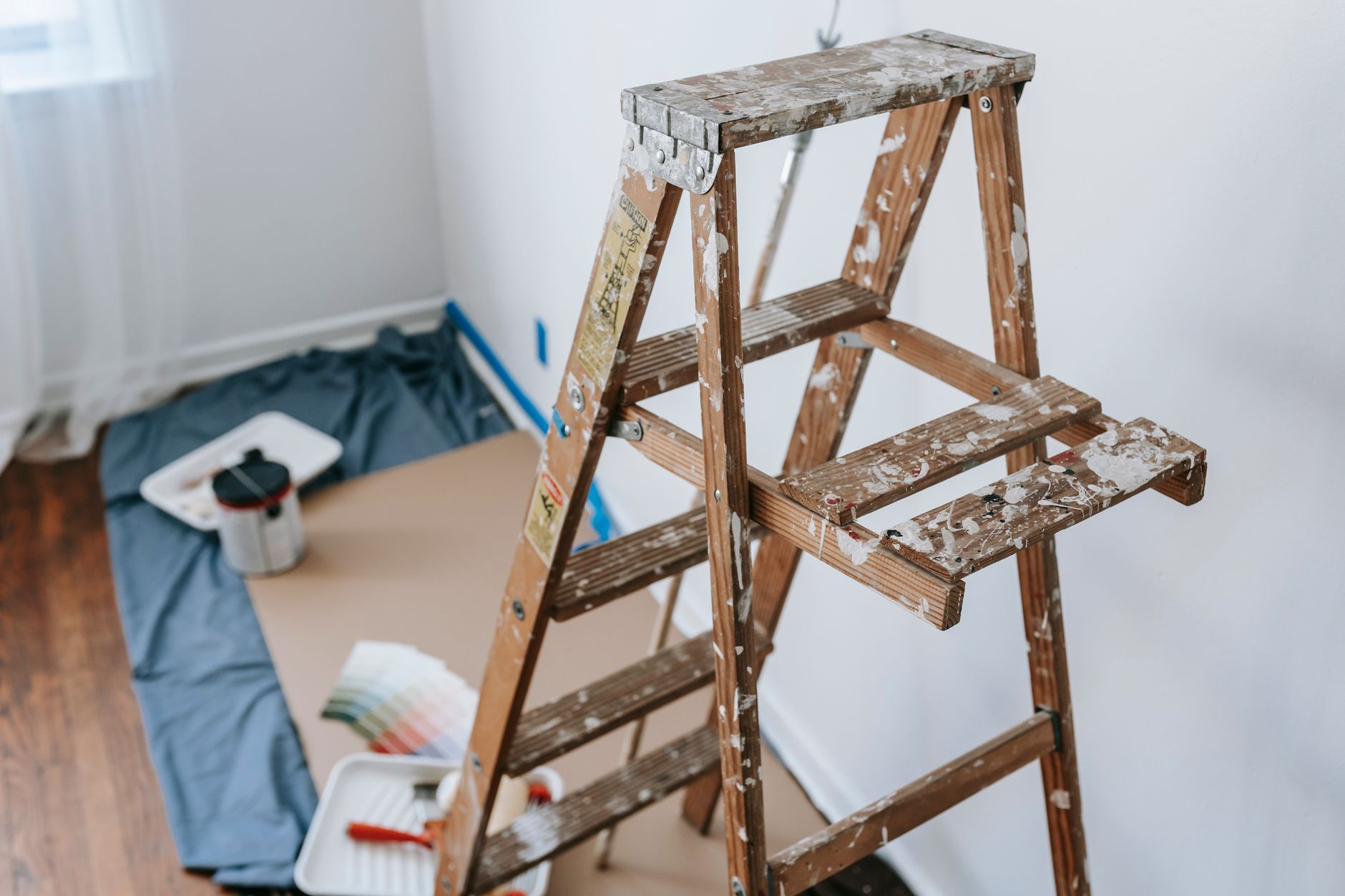
A proper prep sequence for interior walls: clean the surface (grease and dust prevent adhesion), repair holes and cracks with appropriate filler, sand repairs flush, prime bare or patched areas, and then paint. Skipping any of these steps shows up in the finished product. A coat of paint over a dirty or unprimed repair will peel, crack, or look visibly different within months.
The time ratio in a professional paint job is roughly 60 to 70 percent prep, 30 to 40 percent actual painting. If your prep takes an hour and your painting takes three, you have the ratio backwards.
Specific Challenges in Older Regina Homes
Regina has a significant stock of homes built before 1970, and those homes present challenges that newer builds do not.
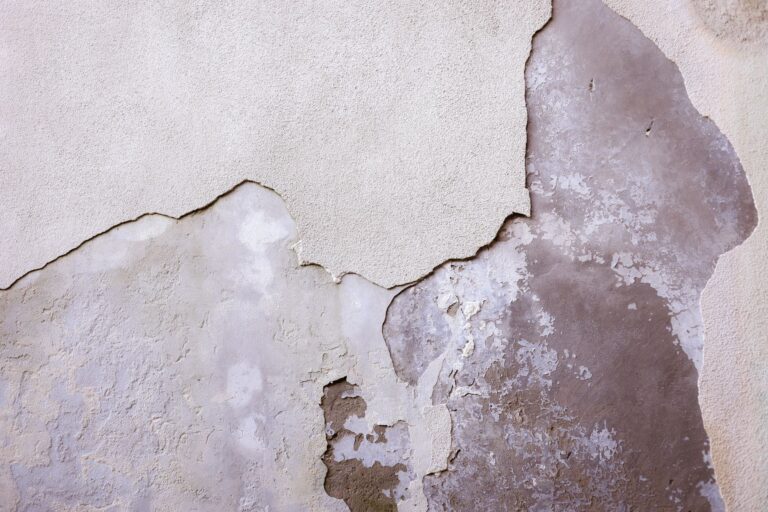
Plaster walls. Older plaster is hard, smooth, and unforgiving. It also cracks — particularly along lath lines and at corners — as the house continues to settle over decades. Small hairline cracks can often be filled with a flexible filler and painted over. Larger or recurring cracks indicate ongoing movement and need to be addressed structurally, not just cosmetically. Painting over an active crack is a short-term fix that will reopen.
Settling cracks at door and window frames. Regina clay soil movement means most homes in the city have some settling history. Cracks that radiate from corners of windows and doors are a common result. These should be assessed before painting — a crack that is stable can be filled, but one that is still active may indicate foundation movement worth investigating.
Old oil-based paint under latex. Homes painted before the 1990s often have layers of oil-based paint on walls and trim. Latex paint does not bond well to glossy oil-based surfaces without preparation. The standard approach is to dull the existing surface with a light sanding, apply a bonding primer, and then finish with latex. Skipping the primer step is one of the most common causes of peeling paint in older homes.
DIY or Hire Out: How to Make the Call
Interior painting is one of the more DIY-friendly home improvement tasks when the conditions are right. A single room with sound walls, no significant repairs, and accessible surfaces is a reasonable weekend project for most homeowners with basic skill and patience.
The case for hiring out gets stronger when: the scope involves multiple rooms or a full interior; there are significant repairs required before painting; the home has older oil-based paint that needs proper priming; ceiling work is involved; or the finish required is high-sheen on walls where prep quality is critical.
A professional painter is not just faster — they have the tools and products to prep and prime correctly, which is where most DIY paint jobs fall short over time.
If you are looking for interior painting services in Regina, see the work Sinfull Studios handles and how to get a quote.
Explore the Build and Handyman services in Regina at Sinfull Studios for more.
Related reading from Sinfull Studios
- Powerwashing in Regina: What Can Actually Be Cleaned (And What Cannot)
- Custom Woodwork and Finishing in Regina: What Separates a Good Finish From a Great One
- Snow Removal in Regina: What to Expect From a Property Maintenance Service
- Build and Handyman Services in Regina
Based in Regina, Saskatchewan. Explore Build and Handyman Services or request a quote from Sinfull Studios.