
Powerwashing looks simple from the outside — point a wand, blast dirt, done. But pressure washing the wrong surface at the wrong pressure is a good way to damage your property. Here is an honest breakdown of what a pressure washer is actually good for in Regina, and what you should leave alone.
Decks and Fences: Yes — With the Right Technique
Wood decks and fences respond well to powerwashing, but wood is easy to damage if you go too hard or hold the nozzle too close. Use a fan tip (25 or 40 degree), keep moving, and work with the grain. Dig the nozzle into one spot on a wood fence and you will leave furrows that look worse than the dirt you were cleaning. After washing, let the wood dry fully — at least 48 hours in warm weather — before applying any stain or sealant. Washing also strips old sealant, which is exactly what you want before refinishing.
House Siding: Depends on the Material
Vinyl siding
Generally fine. Use moderate pressure, a wide fan tip, and wash from the top down. Avoid forcing water up under the laps — siding is designed to drain downward, not sideways or upward.
Hardie board / fibre cement
Yes, but keep the pressure lower. Fibre cement is durable but its painted surface can be damaged at high pressure, especially if the paint is older or has areas of adhesion failure.
Wood siding
Proceed carefully. Low pressure, wide tip, work with the grain. Old or weathered wood can splinter, raise the grain, or absorb water that then causes more swelling and paint failure. Softwash (low pressure with detergent) is often a better option for wood siding.
Stucco
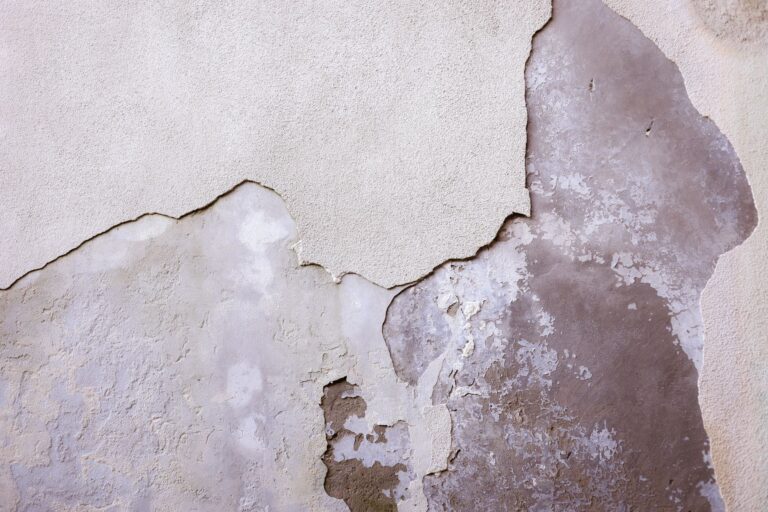
Use low pressure and inspect before you start. Cracked stucco will let pressurized water into the wall assembly. Wash the surface if it is sound, but do not attempt to blast off staining on damaged stucco.
Concrete and Driveways: Yes — This Is Where Powerwashing Shines
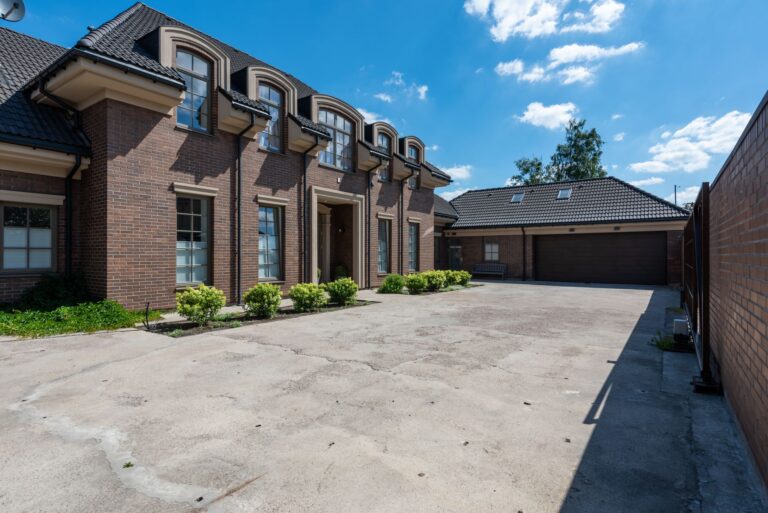
Concrete is the best candidate for pressure washing. Driveways, sidewalks, garage floors, and patios all clean up well. A surface cleaner attachment (the spinning disc head) gives you a more even result on flat concrete than a wand — no zebra stripes. For oil stains, pre-treat with a degreaser before washing. Prairie winters leave road salt and sand ground into concrete; spring is a good time to get that cleared before it works further into the surface.
Roofs: No
Do not powerwash a shingle roof. Asphalt shingles have a granule coating that protects the underlying mat from UV and weather. Pressure washing blasts those granules off, dramatically shortening the life of the shingles. You will also be forcing water up under the shingles and potentially into the roof deck. If you have moss or lichen on a roof, there are low-pressure chemical treatments made for that purpose. A pressure washer is not the right tool.
Vehicles: No
A full-pressure power washer will strip paint, damage trim, and force water into seals and weather stripping. Car washes and touchless rinses use much lower pressure specifically calibrated for vehicle surfaces. Leave the truck for the car wash.
Before and After Painting Prep
Powerwashing before an exterior paint job is not optional — it is step one. Paint will not properly adhere to a dirty, chalky, or mildew-covered surface. Wash the house, let it dry completely, then prime and paint. Skipping this step is one of the main reasons exterior paint jobs fail ahead of schedule.
Spring vs. Fall Timing in Saskatchewan
Spring is the more useful wash for most surfaces. Winter leaves road salt, sand, and grime on everything. Washing your deck, driveway, and siding in May gets the winter residue off before it causes further damage and before you start using outdoor spaces.
Fall washing makes sense if you are painting or staining before winter, or if you want to wash the deck and reseal it before the freeze. It also helps if your siding has accumulated a season of dust and organic material that could hold moisture over winter.
Need powerwashing done right in Regina? See our powerwashing services here.
Related reading from Sinfull Studios
- Custom Built-Ins and Shelving in Regina: Design, Cost, and Process
- Custom Woodwork and Finishing in Regina: What Separates a Good Finish From a Great One
- Drywalling a Basement: Where DIY Projects Go Wrong and How to Fix It Before It Happens
- Build and Handyman Services in Regina
Based in Regina, Saskatchewan. Explore Build and Handyman Services or request a quote from Sinfull Studios.