
Deck staining and restoration in Regina is one of those maintenance tasks that pays off far more than it costs — a deck that looks finished and weathered can almost always be brought back with the right prep, the right product, and the right timing. At Sinfull Studios, I work on decks across Regina, White City, Emerald Park, and the surrounding communities, and the honest truth is that most homeowners wait too long between coats, which turns a straightforward restain into a full restoration project. Here is what you need to know before you start.
How Do I Know If My Deck Needs Staining or Full Restoration?
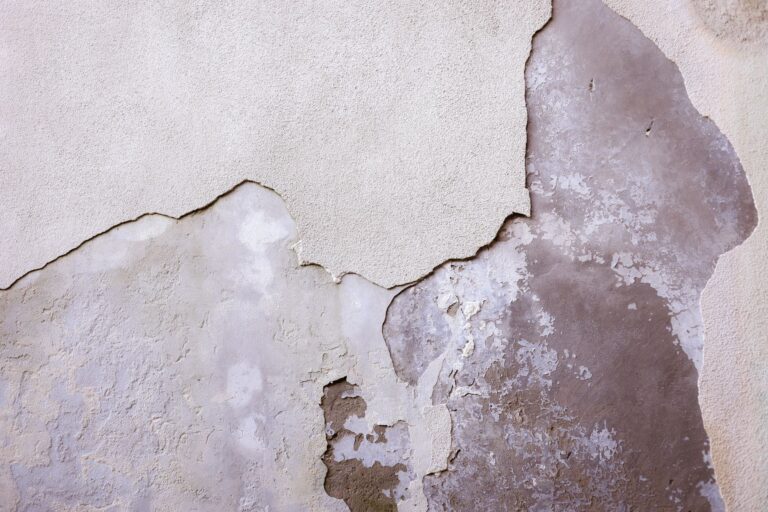
Pour a small amount of water onto the deck surface. If it beads up, the existing finish is still doing its job and you likely have another season. If it absorbs immediately and darkens the wood, the finish has failed and moisture is getting in. At that point you are looking at a restain at minimum. If you also see greying wood, raised grain, soft or spongy boards, split fasteners, or structural wobble, that is a restoration — not just a fresh coat of stain.
What Does Deck Restoration Actually Involve?
A proper restoration works through a sequence. First, a thorough cleaning — pressure washing removes dirt, algae, and loose finish, and a deck cleaner or brightener opens the wood grain and neutralizes grey oxidation. Then comes inspection and repairs: replacing cracked or rotted boards, tightening or replacing fasteners (countersinking screws where nails have backed out), and checking the ledger board and posts for moisture damage. After the wood is fully dry — which in Saskatchewan means waiting for several dry days, not just one — you sand any rough or raised grain, then apply the finish in the right conditions.
Stain or Paint — Which Is Better for a Regina Deck?
For most decks here, a penetrating semi-transparent or solid stain is the better choice over paint. Paint sits on top of the wood and, in our freeze-thaw climate, it peels and chips. Once paint peels, the prep work to strip it before refinishing is significant. Penetrating stains soak into the wood fibre, flex with the seasonal movement, and fail gracefully — they fade and thin rather than peel. Solid stains sit closer to paint on the spectrum and can be a good option for heavily weathered wood where you want to hide the grain, but they still outperform latex paint for durability on horizontal surfaces. Semi-transparent stains show the wood character and tend to last two to four years on decks here before needing attention.
When Is the Best Time to Stain a Deck in Saskatchewan?
Timing matters a lot in this climate. You want air and surface temperatures between roughly 10 and 30 degrees Celsius, low humidity, and no rain forecast for 24 to 48 hours after application. Late May through early September is the reliable window in Regina — spring can still throw cold nights, and by late September you are gambling on early frosts. Avoid staining in direct, harsh afternoon sun; the product can dry too fast, leaving lap marks. Early morning or overcast days are ideal. Most product manufacturers also specify that the wood moisture content needs to be below a threshold — another reason rushing after rain is a mistake.
How Much Does Deck Staining and Restoration Cost?
Cost depends heavily on the size of the deck, the condition it is in, and how much repair work is needed alongside the finishing. A straightforward clean-and-restain on a smaller deck in good condition is at the lower end of the range. A full restoration on a larger deck — with board replacements, fastener work, sanding, and two-coat staining — can run substantially more, because the labour in prep and repairs is what drives the number, not the stain itself. Getting a few quotes and asking each contractor to break out prep versus material versus finish labour helps you compare fairly. At Sinfull Studios I can walk through the deck with you and give you a clear breakdown before any work starts.
How Often Does a Deck Need to Be Restained in This Climate?
In Regina and surrounding communities like Pilot Butte and Balgonie, prairie weather is hard on horizontal wood surfaces — UV exposure is intense, temperature swings are extreme, and freeze-thaw cycles work moisture into any finish that has thinned or cracked. A semi-transparent stain on a well-prepped deck typically lasts two to three years before it needs recoating. A solid stain can go three to five years. The water-bead test each spring is your practical guide. Catching it early — when the finish is thinning but the wood is still in good shape — means a clean-and-recoat rather than a full strip-and-restore.
When Is a Deck Beyond Saving?
Some decks have crossed a line where restoration does not make financial sense. Signs that a rebuild is the better call: posts or beams with soft, punky rot at the base; a ledger board that has separated from the house or shows deep moisture damage; joists that flex or bounce under normal load; more than a third of the decking boards needing replacement. At that point you are paying restoration labour on a structure that will still fail within a few seasons. I will tell you honestly if that is where you are at — there is no point in putting a fresh stain on a deck that needs to come down.
Explore Build and Handyman services in Regina at Sinfull Studios, or get a free quote.
Related reading from Sinfull Studios
- Flooring Installation in Regina: Laminate, Vinyl Plank, and Hardwood
- Tile Installation in Regina: Backsplashes, Floors, and Showers
- Kitchen Renovation in Regina: Costs, Sequence, and What to Expect
- Build & Handyman Services in Regina
Planning a project in Regina? Explore Build & Handyman services or get a free quote from Sinfull Studios.
Frequently Asked Questions
How do I know if I should restain my deck or replace the boards?
Do the water-bead test — pour a small amount of water on the surface. If it absorbs and darkens the wood rather than beading up, the finish has failed and it is time to restain. If you also find boards that are soft, cracked, or rotted, or fasteners that have backed out and split the wood, those boards need to be replaced before you refinish. A restain on top of damaged boards will not hold and you will be doing the work again in a year.
What time of year should I stain my deck in Regina?
The reliable window in Regina is late May through early September, when temperatures are consistently between 10 and 30 degrees Celsius and you can count on 24 to 48 hours without rain after application. Spring shoulder seasons can still bring cold nights that affect cure time, and by late September you risk early frost. Avoid staining in direct afternoon sun — early morning or overcast conditions give you a more even result.
Is it better to use paint or stain on a wood deck in Saskatchewan?
Stain is almost always the better choice for a deck in this climate. Paint sits on top of the wood and peels when freeze-thaw cycles work moisture underneath it — once it peels, the prep work to strip it before refinishing is significant. Penetrating stains flex with the seasonal wood movement and fade gradually rather than peeling, making each future maintenance cycle much simpler. Solid stains are a reasonable middle ground for heavily weathered wood, but latex paint on a horizontal deck surface in Saskatchewan tends to create more work over time, not less.