Most drywall repairs in Regina homes — from doorknob holes to settlement cracks to water-stained patches — are straightforward jobs that a skilled handyman can match, blend, and finish so the repair disappears into the wall. At Sinfull Studios, I handle these repairs across Regina, White City, Emerald Park, Pilot Butte, and surrounding communities, and the most common question I get is whether a blemish on the wall is a simple cosmetic fix or a sign of something deeper.
What kinds of drywall damage are worth repairing?
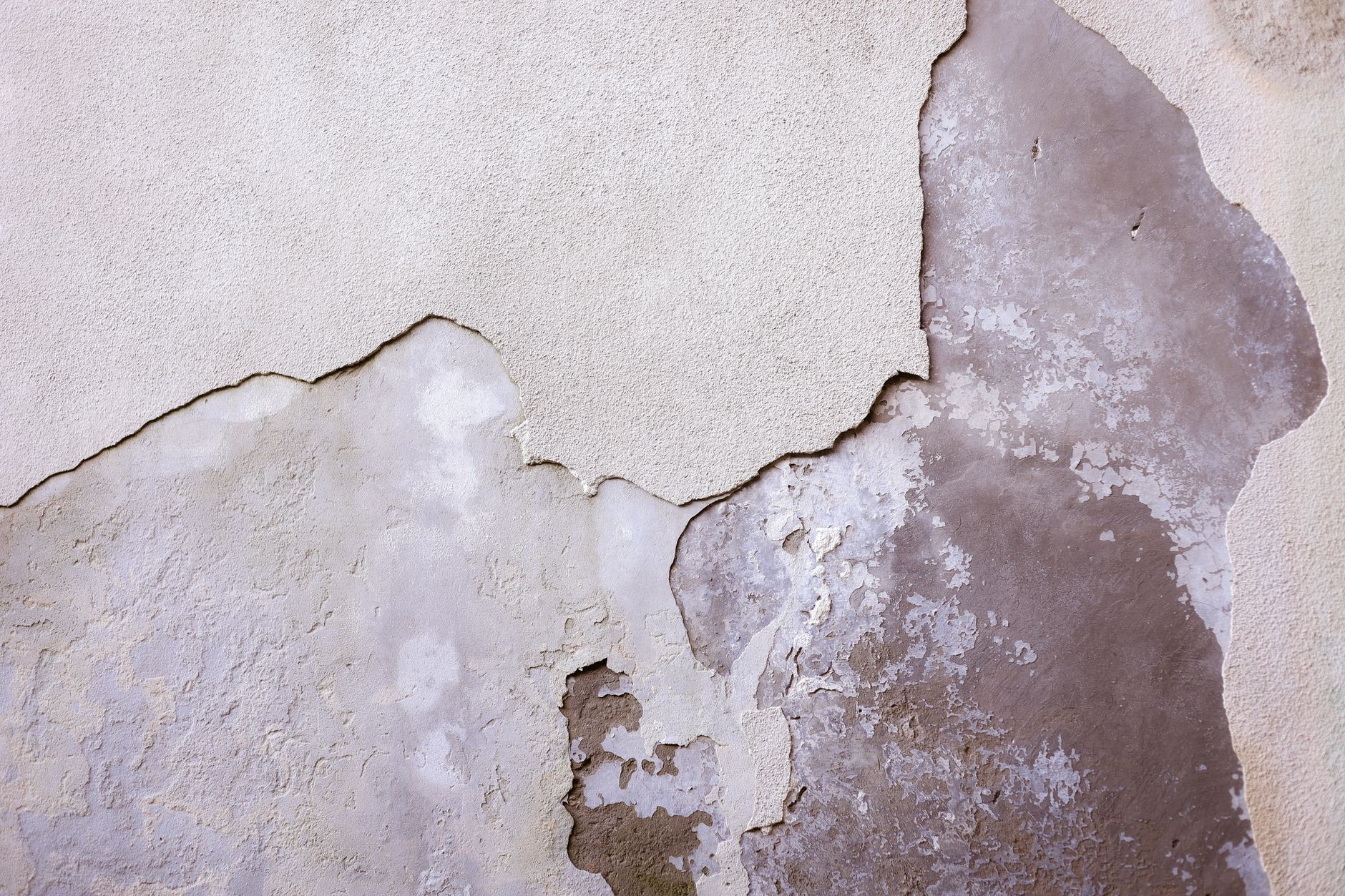
Almost anything short of full wall replacement is worth patching if it is done properly. The repairs I see most often in Regina homes include doorknob punch-throughs, screw and nail pops that have pushed through the paper face, hairline cracks from seasonal settlement, larger stress cracks that open and close with our freeze-thaw cycles, and water-damaged sections where a slow leak has softened the board or left a brown tide mark. Each type calls for a slightly different approach, but the finishing sequence — tape, mud, sand, texture match, prime, paint — is the same.
What does drywall repair cost in Regina?
Cost depends on the number of repairs, their size, and how involved the texture match needs to be. A single small hole or a handful of nail pops is a short visit with modest materials. A room that has settled unevenly and has cracks at every corner seam, or a ceiling patch where water damaged a large area and the texture is knockdown or orange peel, takes considerably more time in coats and sanding. Travel to White City, Emerald Park, or Pilot Butte adds a small amount to most jobs. The honest way to think about it: simple repairs are inexpensive; the labour-intensive part is always the finishing and texture matching, not the patch itself.
What is actually involved in patching a hole or crack?
For a small hole — say, a doorknob impact the size of a fist or smaller — I cut back to clean edges, back the patch with a backer board or a mesh patch kit, apply joint compound in two or three thin coats, sand between coats, and feather the edges well past the patch so the transition is invisible after paint. Nail pops get re-driven or pulled, the dimple filled, and the surface re-primed. Cracks are taped with paper or fibre tape bedded in compound before any finish coats go on — skipping the tape is the main reason DIY crack repairs re-open within a season.
Larger openings — anything bigger than roughly a hand width — usually need a cut-and-backer or a California patch, and they need more drying time between coats. Rushing this step is where repairs telegraph under paint. I always allow compound to cure fully before final sanding, which in Saskatchewan’s drier climate is usually faster than in humid regions, but never skipped.
How do you match texture after a drywall repair?
Texture matching is the part that separates a visible repair from an invisible one, and it is honestly the trickiest step. Regina homes from the 1970s through the 1990s commonly have orange peel or light knockdown applied with a hopper or stomped by hand. Newer builds often have a smoother finish or a light skip-trowel. I always test the texture technique on a scrap piece first, match the thickness and pattern, then blend into the surrounding area. Once primed and painted with a matching sheen, a well-done patch should not be findable without a raking light pointed directly at the wall.
When does a crack or water stain signal a bigger problem?
Not every crack is cosmetic. In Saskatchewan, freeze-thaw cycles put real stress on foundations and framing, and some cracks in drywall are telling a story about movement underneath. Watch for these warning signs:
- Diagonal cracks running from the corners of windows or doors — these often indicate foundation settlement or header movement
- Cracks that have opened noticeably from one season to the next
- Walls or ceilings that bow, sag, or feel soft underfoot above
- Water stains that are active or recurring after the source was supposedly fixed
- Musty smell or visible mold behind or around the damaged area
If I find active moisture or evidence of ongoing structural movement during a repair, I will tell you plainly before patching. Covering a wet problem with compound is a short-term fix that creates a bigger one. Active leaks need a plumber or roofer first; if there is any sign of mold in the cavity, that is a remediation conversation before drywall.
How long does a drywall repair take to complete?
A single small patch is typically a two-visit job: one visit to apply the patch and first coat or two of compound, a return visit after drying to sand, apply finish coats, and texture. Some repairs — especially on ceilings or in high-humidity areas like bathrooms — benefit from a third coat. You should plan for painting after I am done; I can prime the patch but I do not do full room repaints as part of a repair visit unless we have discussed it specifically. Most homeowners find a touch-up of the surrounding wall is all that is needed if the existing paint is not too faded.
What should I do before calling for a drywall repair?
If the damage involves water, make sure the source is resolved before booking the repair — otherwise we are patching something that will fail again. Take a photo of the damage and note roughly how large it is and whether the surrounding wall feels soft or firm. If you have leftover paint from when the room was painted, set it aside; even if I cannot use it directly, knowing the sheen and approximate age helps with finish matching. For homeowners in Balgonie, Lumsden, or other areas outside Regina, a photo beforehand lets me give you an accurate sense of scope before I make the drive.
How do I choose a handyman for drywall repair in Regina?
Ask to see finished examples of texture matching specifically — it is the hardest part, and photos of raw patches before paint do not tell you much. Make sure the person you hire understands the difference between a cosmetic crack and a structural one, and is willing to say so. At Sinfull Studios, I give you a straight assessment of what I am looking at before I quote, and I will tell you if something is outside what a drywall patch can fix. For larger jobs — new drywall on a full basement, for instance — I can help with that too, but that is a different scope and a different conversation.
Explore Build and Handyman services in Regina at Sinfull Studios, or get a free quote.
Related reading from Sinfull Studios
- Deck Staining and Restoration in Regina: Bringing an Old Deck Back
- Flooring Installation in Regina: Laminate, Vinyl Plank, and Hardwood
- Tile Installation in Regina: Backsplashes, Floors, and Showers
- Build & Handyman Services in Regina
Planning a project in Regina? Explore Build & Handyman services or get a free quote from Sinfull Studios.
Frequently Asked Questions
How much does drywall repair cost in Regina?
The cost depends on how many repairs are needed, their size, and how complex the texture match is. A small hole or a few nail pops is a modest job. Water-damaged sections or rooms with multiple settlement cracks — especially where texture matching is involved — take more time and cost more. The labour-intensive part is always the finishing and blending, not the patch itself. Sinfull Studios gives a free quote after seeing the damage so you know the scope before any work starts.
Can a drywall crack be a sign of foundation problems in Saskatchewan?
It can be, and it is worth taking seriously. Diagonal cracks running from the corners of windows or doors, cracks that grow noticeably from season to season, or walls that bow or feel soft are all signs that movement in the framing or foundation may be involved. Saskatchewan’s freeze-thaw cycles put real stress on structures over time. A cosmetic patch on an active structural crack will re-open. A good tradesperson will assess whether the crack is stable before patching it, and recommend a structural or foundation specialist if the movement is ongoing.
Do I need to repaint the whole wall after a drywall patch?
Not always. If you have leftover matching paint, a careful touch-up of the patched area blends well once the patch is properly primed and textured. If the existing paint has faded or you do not have a match, you may notice a difference in sheen or colour even with a good patch. In that case, painting the full wall — rather than just the patch — gives the most seamless result. I can prime and texture the repair; full room repaints are a separate discussion.