A film’s location can now travel to the edit suite. Using Gaussian splatting, the newest leap in photoreal 3D capture, a real place can be recorded so faithfully that the director, the previs team, and the VFX artists can walk through a true-to-scale, photoreal digital twin of it, long after the crew has left and from anywhere in the world. The catch has always been getting to the location in the first place. That is the part we specialize in. We travel, scout, and capture at the edges of the planet, then relay accurate worlds back to your production.
This is the heart of what Sinfull Studios offers for film and VFX: world-class location scouting, expeditionary capture, and cutting-edge 3D reconstruction, delivered to clients remotely, worldwide. This pillar explains how it works and links to the deeper guides.
What is Gaussian splatting, and why does it matter for film?
Gaussian splatting (3DGS) is a method of reconstructing a real scene from photos and video into millions of tiny 3D points, or ‘splats,’ that together render a stunningly photoreal, view-dependent image you can move a camera through freely. Unlike older methods, it captures soft detail beautifully: foliage, reflections, haze, the way light actually behaves in a place. For film, it means a location can be captured once and then revisited endlessly as a photoreal, to-scale environment, no permits, no weather, no second trip.
How it compares to traditional photogrammetry is worth understanding before you choose, and we break it down in Gaussian splatting vs photogrammetry for VFX.
Why this is a game-changer for previs and VFX
Previs and VFX both live or die on accurate reference. With a splat capture of the real location, a director can block shots and choose angles inside the actual environment before the shoot; the previs team works to true scale instead of approximations; and VFX artists have a perfect, measurable reference and backdrop to integrate effects into. The pipeline from capture to finished shot is covered in from splat to shot.
Capture the location once, perfectly. Then shoot it, scout it, and build it a thousand times, from anywhere.
The hard part: getting there
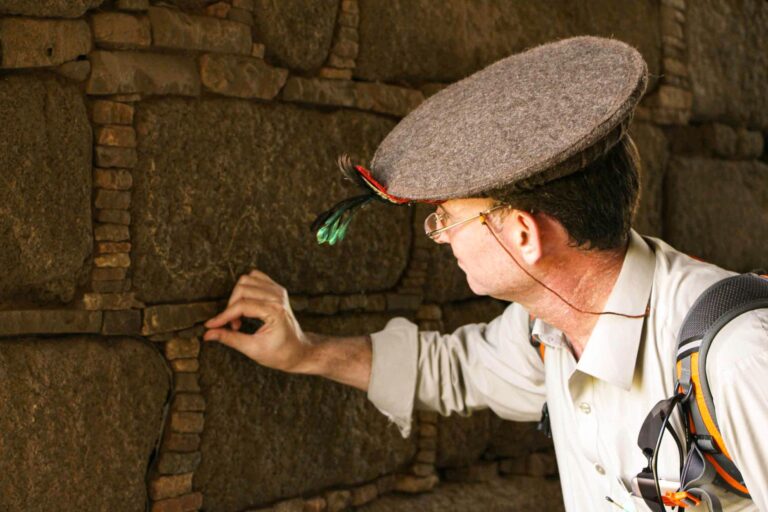
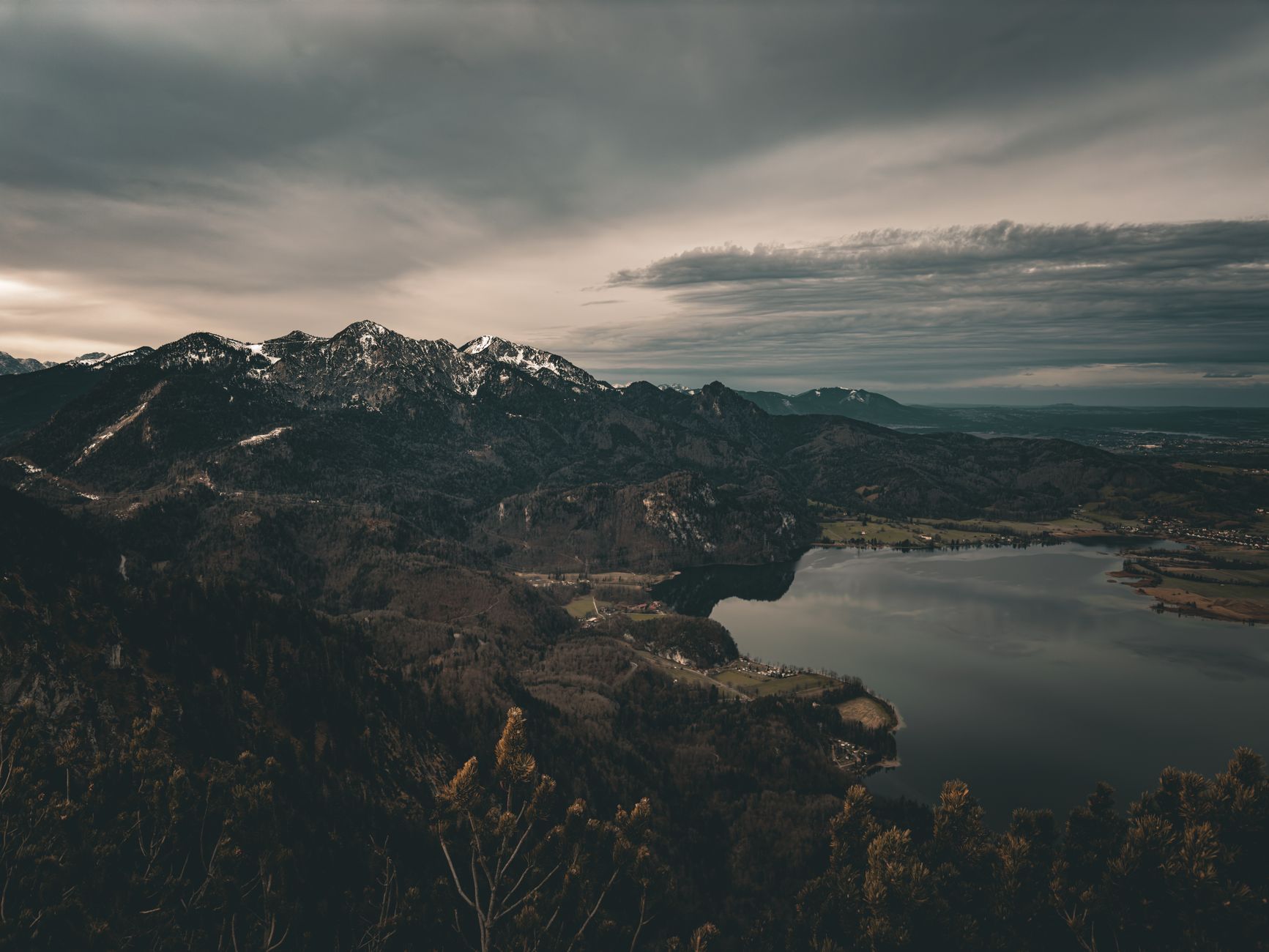
Any studio can splat a parking lot. The value is in capturing the places that make a film unforgettable, and those are rarely convenient. A glacier, a cliff face, a slot canyon, a remote ruin, a stretch of coastline reachable only by air. That is where our background in world-class location scouting and expedition capture, fly-in work, helicopter access, and rope access, sets us apart. We get to the edges of the planet and bring them back as data.
Capture from the ground and the air
Great splats need thorough coverage from many angles. We combine ground capture with drone scanning to cover scale, height, and terrain that no tripod can reach, building a complete, accurate record of the location. The result can feed previs, VFX plates, a virtual-production environment, or a real-time engine.
Delivered to your production, wherever you are
Once captured, the world is digital, so distance disappears. We deliver splats, meshes, and reference packages to productions anywhere, and collaborate through cloud review. You get the location without sending your whole team to it.
Have a location, real or impossible to reach, that you need captured for film? Bring the world to your production with Sinfull Studios.
Frequently Asked Questions
What is Gaussian splatting and how is it used in film?
Gaussian splatting (3DGS) reconstructs a real scene from photos and video into millions of 3D points that render a photoreal, to-scale environment a camera can move through freely. In film it lets directors, previs teams, and VFX artists revisit a captured location endlessly, for shot blocking, accurate reference, and digital backdrops.
Why capture real locations instead of building them?
A splat capture of a real place is photoreal and accurate to scale, so previs and VFX work from reality rather than approximation. It removes the need for repeat trips, permits, and weather windows, and it preserves locations that are remote, dangerous, or only briefly accessible.
Can location capture be delivered remotely?
Yes. Once a location is captured it is digital data, so splats, meshes, and reference packages can be delivered to productions anywhere and reviewed through the cloud. Only the capture itself happens on location.