Capturing a location is only valuable if it flows cleanly into the work. The pipeline from a raw capture to a finished previs sequence or VFX shot has a few clear stages, and understanding it helps a production know exactly what it is getting. Here is how a captured world, a Gaussian splat of a real place, becomes usable for previs and visual effects.
This builds on our overview of location capture.
Step 1: Capture and reconstruct
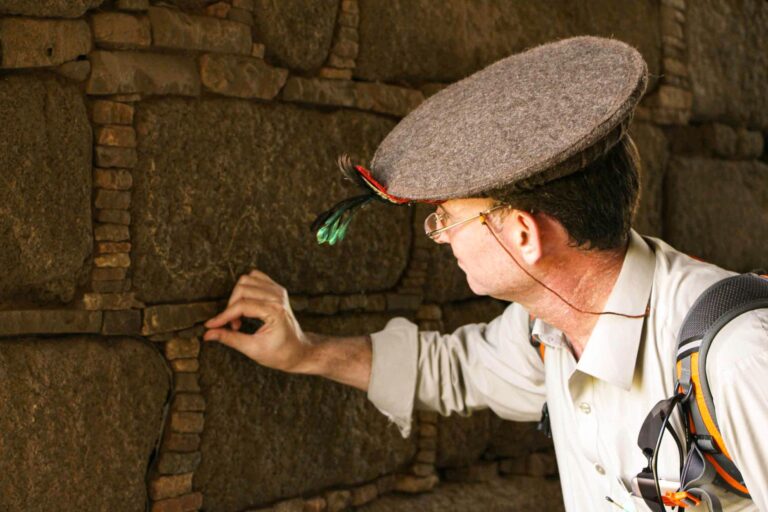
On location, we record the place thoroughly from the ground and the air. That imagery is reconstructed into a Gaussian splat and, where useful, photogrammetry meshes, producing a photoreal, to-scale digital twin of the location.
Step 2: Clean, align, and scale
The reconstruction is cleaned of artifacts, aligned to real-world scale, and oriented so measurements and camera placement are accurate. This step is what turns a pretty capture into a trustworthy one, the difference between reference that looks right and reference a production can actually plan against.
Step 3: Bring it into the engine
The captured world is loaded into a real-time engine alongside any digital elements. Now a director or previs artist can place a virtual camera anywhere in the real location and frame shots, exactly as they would on a scout, but from the office, at any time of day, with the freedom to try anything.
Step 4: Previs the sequence
Inside the captured environment, the team blocks the action, sets camera moves, tests lenses, and times the sequence, all against the true location. The result is previs grounded in reality, so what is planned will actually work when the crew arrives, or stands in for a shoot that will never physically happen.
Step 5: Into VFX
For final shots, the captured world serves as a photoreal backdrop, an accurate reference for integrating effects, or a base for set extensions. Because it is to scale and true to the real light of the place, effects sit in it convincingly. It can also drive a virtual-production stage for in-camera work.
Reference that’s only pretty is decoration. Reference that’s accurate is a plan.
Delivered to your pipeline, anywhere
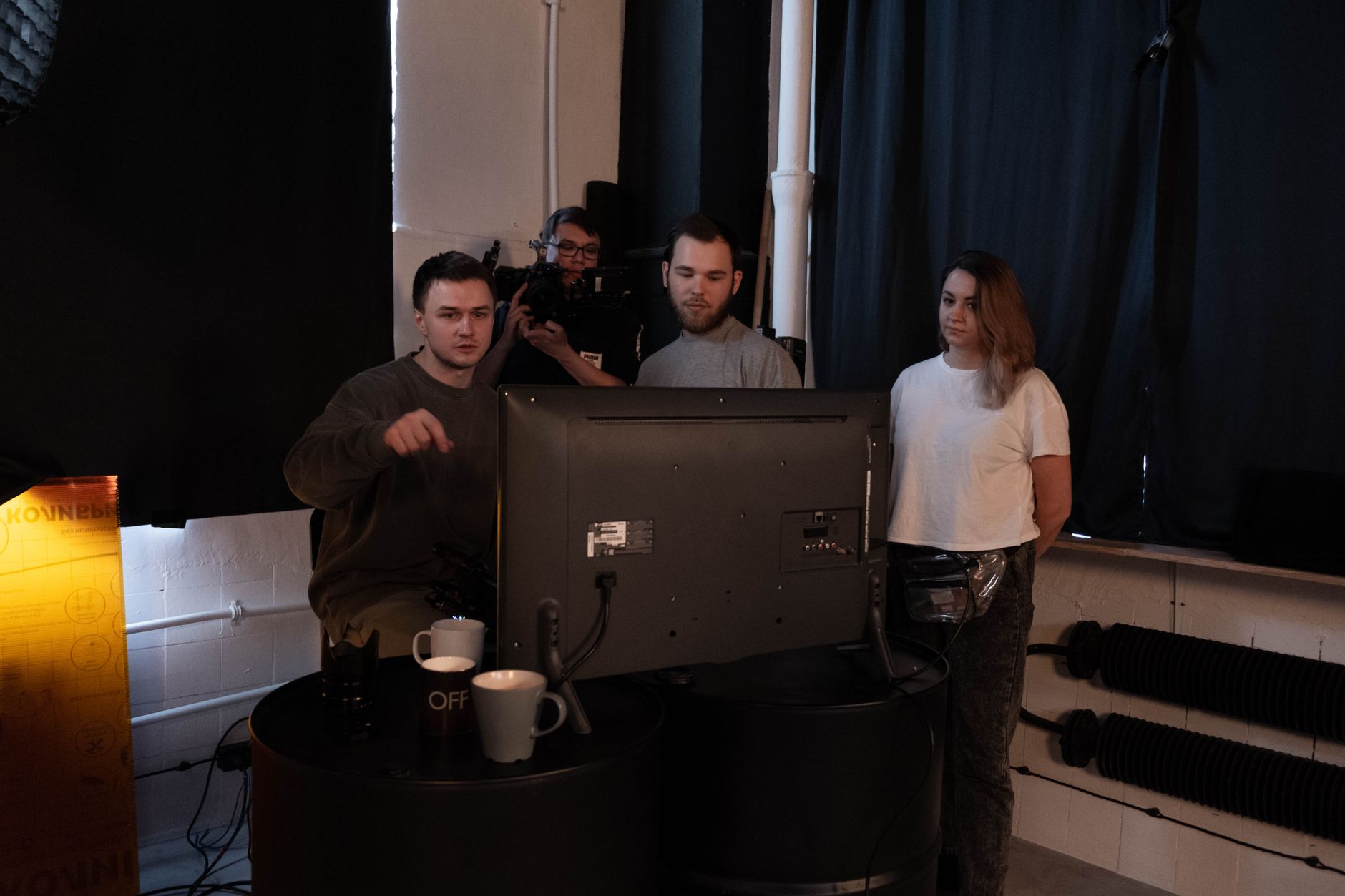
We hand off splats, meshes, aligned scenes, and engine-ready environments to your team wherever they work, and can carry the previs or VFX through ourselves. The whole post-capture pipeline is remote by nature.
Want a real location turned into previs-ready, VFX-ready reality? Start the pipeline with us.
Frequently Asked Questions
How does a captured location become previs and VFX?
The location is captured from ground and air, reconstructed into a Gaussian splat (and meshes), cleaned and aligned to real scale, and loaded into a real-time engine. Teams then block shots and previs inside the real environment, and use it as photoreal backdrop and reference for final VFX.
Why is real-world scale important in a capture?
Accurate scale and orientation let a production place cameras, take measurements, and plan shots reliably. Without it, reference may look right but won’t hold up when the crew arrives. Proper alignment turns a capture from decoration into a usable plan.
Can the captured world be used for in-camera virtual production?
Yes. A to-scale, photoreal captured environment can drive an LED-volume virtual-production stage for in-camera shots, in addition to serving previs, backdrops, and VFX reference.