If you want to capture a real location for VFX, you will choose between, or combine, two methods: Gaussian splatting and photogrammetry. They both turn photos of a place into a 3D representation, but they produce different things and shine in different jobs. Understanding the difference will save you time and money. The short version: photogrammetry gives you editable geometry; splatting gives you breathtaking photoreal visuals.
This is a companion to our overview of location capture for film.
Photogrammetry: geometry you can build on
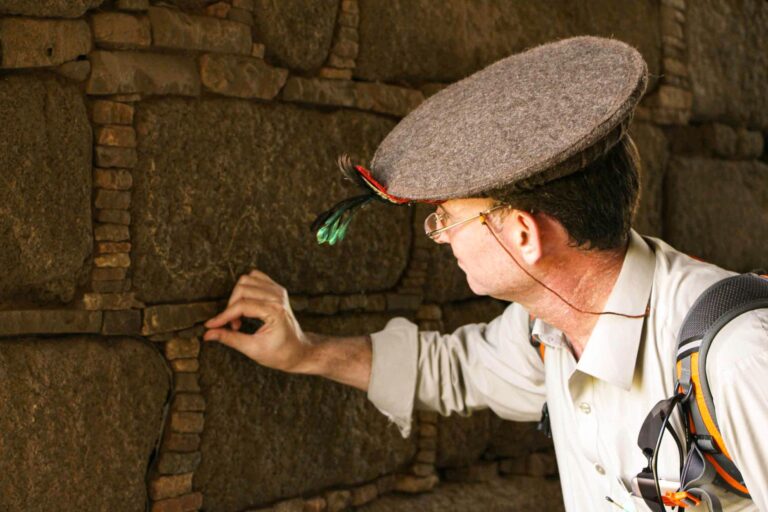
Photogrammetry reconstructs a scene as a traditional 3D mesh with textures, real geometry you can relight, modify, collide against, and integrate like any other asset. That makes it the workhorse for hero assets, set extensions, and anything that must be relit or physically interact with a shot. The trade-off is that fine, soft, or reflective detail, foliage, water, glass, is hard to reconstruct cleanly, and a photoreal mesh is heavy to build. We use it extensively, including for heritage capture.
Gaussian splatting: reality, rendered
Gaussian splatting captures the look of a place with astonishing fidelity, including the soft and reflective detail photogrammetry struggles with, and renders it in real time. It is unmatched for photoreal backdrops, environment reference, virtual scouting, and previs where visual truth matters most. The trade-off is that a raw splat is harder to relight and edit than a mesh, though tooling to convert and combine splats with traditional geometry is advancing quickly.
Photogrammetry gives you something to build with. Splatting gives you something to believe.
When to use which
Choose photogrammetry when you need editable, relightable geometry, hero assets, set extensions, anything effects must physically interact with. Choose splatting when you need maximum photoreal fidelity for backdrops, reference, virtual scouting, and previs. In practice, the best results often use both: splats for the believable look, photogrammetry meshes for the parts you must control. We capture for both in a single location visit, which matters when the location is expensive or hard to reach.
Capture once, get both
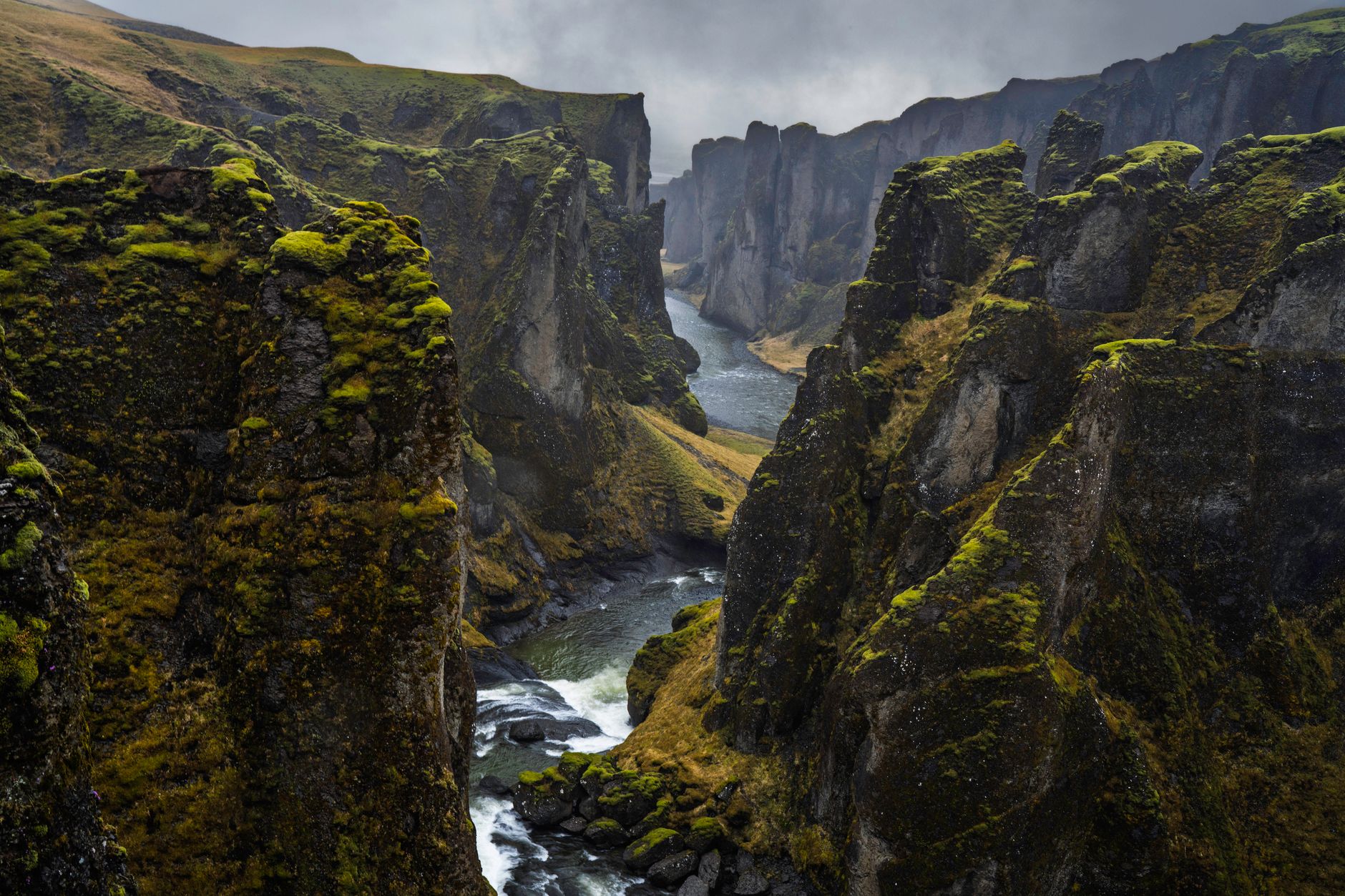
Because both methods start from thorough photographic and drone coverage, a single well-planned capture trip can yield splats and photogrammetry together. For remote or costly locations, that efficiency is the whole game, you make the hard journey once and walk away with everything the production could need for previs and VFX.
Not sure which capture method your project needs? We’ll capture for both and advise.
Frequently Asked Questions
What’s the difference between Gaussian splatting and photogrammetry?
Photogrammetry produces editable 3D meshes with textures you can relight, modify, and collide against. Gaussian splatting produces a photoreal, real-time representation that captures soft and reflective detail beautifully but is harder to relight and edit. Many projects use both together.
Which is better for VFX, splatting or photogrammetry?
It depends on the job. Use photogrammetry for editable, relightable hero assets and set extensions; use splatting for maximum photoreal backdrops, reference, virtual scouting, and previs. The strongest results often combine splats for the look with meshes for the parts you must control.
Can you capture both from one location visit?
Yes. Both methods start from thorough photographic and drone coverage, so a single well-planned capture trip can produce splats and photogrammetry together, which is especially valuable for remote or expensive locations.