Two of the most powerful tools in modern filmmaking are also two of the oldest. Green screen has been used to put actors in impossible places since the era of hand-painted mattes, and motion capture has driven digital characters for decades. Yet right now, both are having a renaissance. Real-time engines, affordable hardware, and AI-assisted tools have turned these classic techniques into something faster, cheaper, and more capable than they have ever been. Green screen and motion capture are, in the truest sense, back to the future: old magic, brand new power.
At Sinfull Studios we work across the full spectrum of virtual production. We can bring talent onto an LED stage for in-camera work, but for a huge range of projects, green screen and motion capture are the smarter, leaner choice, and we deliver both, often working with clients remotely worldwide.
Why these ‘old’ techniques are new again
Three shifts changed everything. First, real-time engines like Unreal can now generate photoreal backgrounds and render mocap-driven characters live, collapsing what used to be months of post into hours. Second, the hardware got cheap: capable cameras, lighting, and motion-capture systems that once cost a fortune are now within reach of small studios. Third, AI made the hard parts easier, from cleaner keying to markerless motion capture that can read a performance from ordinary video. The barrier to cinematic results fell through the floor.
The technique is a hundred years old. The toolkit is brand new. That gap is where the opportunity lives.
Green screen: infinite locations for a modest budget
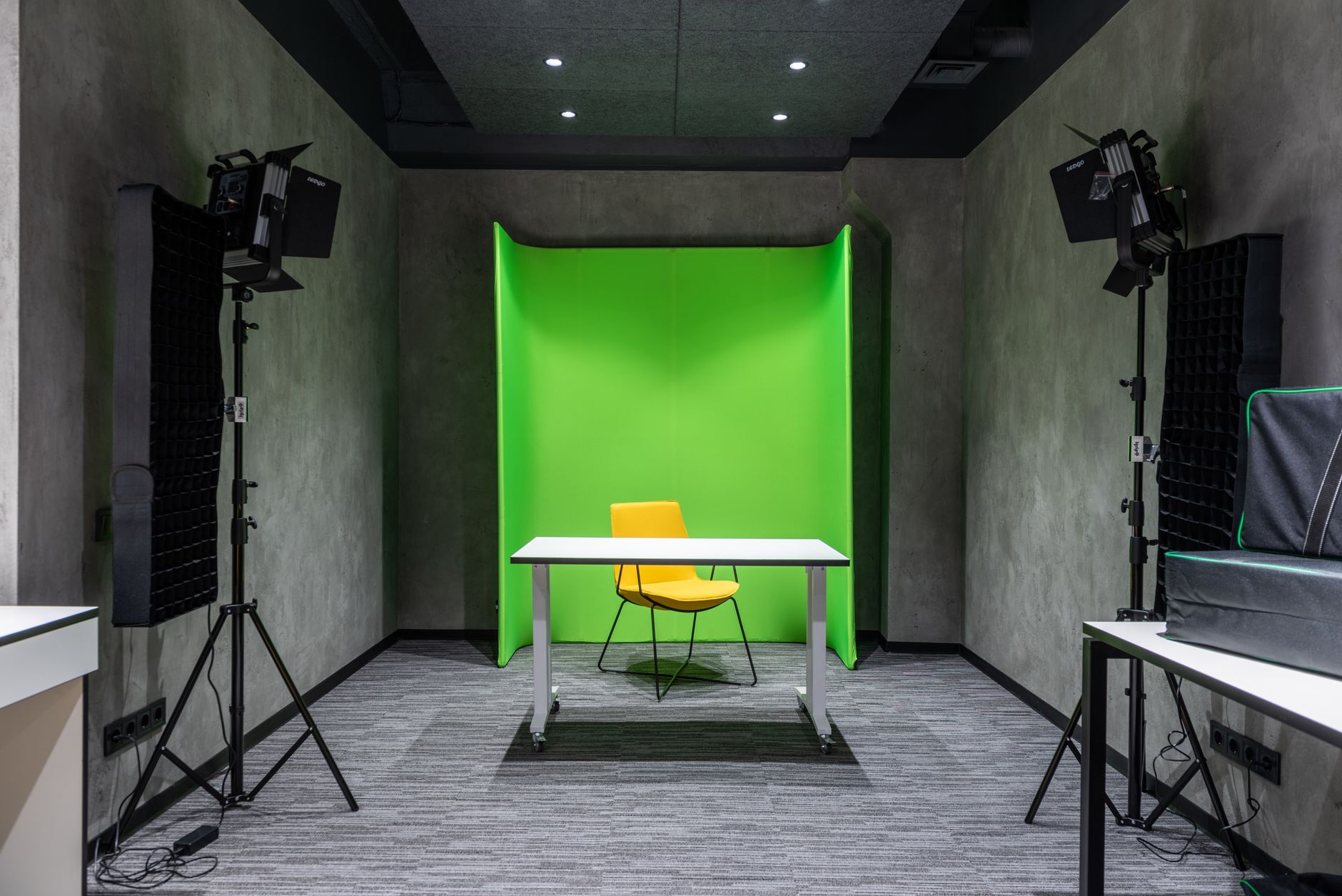
Green screen (chroma key) lets you film talent against a green backdrop and replace it with literally any environment in post, from a real location to a fully digital world. It is endlessly flexible, inexpensive to shoot, and ideal when you need many different settings or a place that does not exist. The trade-off is that the world is added afterward, so it must be shot correctly to comp cleanly, which we cover in how green screen works. If you are weighing it against an LED stage, read green screen vs LED volume.
Motion capture: turning a performance into a character
Motion capture records a performer’s movement and maps it onto a digital character, so a human performance drives a creature, an avatar, or a stylized hero. Once the domain of Hollywood, it is now accessible to indie productions, game developers, and brands, thanks to markerless and inertial systems. We break down what is possible at each budget in affordable motion capture explained, and how the pipeline works in how motion capture animation works.
When to use what
Use green screen for varied or impossible locations on a lean budget. Use motion capture when a performance needs to drive a digital character. Use an LED volume when you need believable interactive light and in-camera finals with no compositing. Most ambitious projects mix them, and choosing the right blend is most of the value a studio brings. If you would rather skip the theory and just get a recommendation, see our remote green screen and mocap services.
Have a project that needs talent placed in another world, or a performance turned into a character? Start a remote production with Sinfull Studios.
Frequently Asked Questions
Are green screen and motion capture outdated?
No, they are in a renaissance. Real-time engines, cheaper hardware, and AI-assisted tools have made these classic techniques faster, more affordable, and more capable than ever. They remain core to modern virtual production alongside newer LED-volume workflows.
What’s the difference between green screen, motion capture, and an LED volume?
Green screen replaces a green backdrop with any environment in post. Motion capture records a performance and maps it onto a digital character. An LED volume displays a digital world live behind actors for in-camera finals. Many projects combine them.
Do I need an expensive LED stage for cinematic results?
Often not. Green screen delivers infinite locations on a modest budget, and motion capture is now accessible to indie and brand productions. An LED volume is ideal for interactive light and in-camera finals, but it is one option among several, not a requirement.