Motion capture turns a real performance into the movement of a digital character. When you see a believable creature or game hero move with human weight and nuance, there was almost certainly a performer behind it. But the raw capture is only the beginning, getting from a recorded performance to a polished animated character is a pipeline. Here is how that pipeline works, step by step.
This builds on affordable motion capture and our green screen and mocap overview.
Step 1: Capture the performance
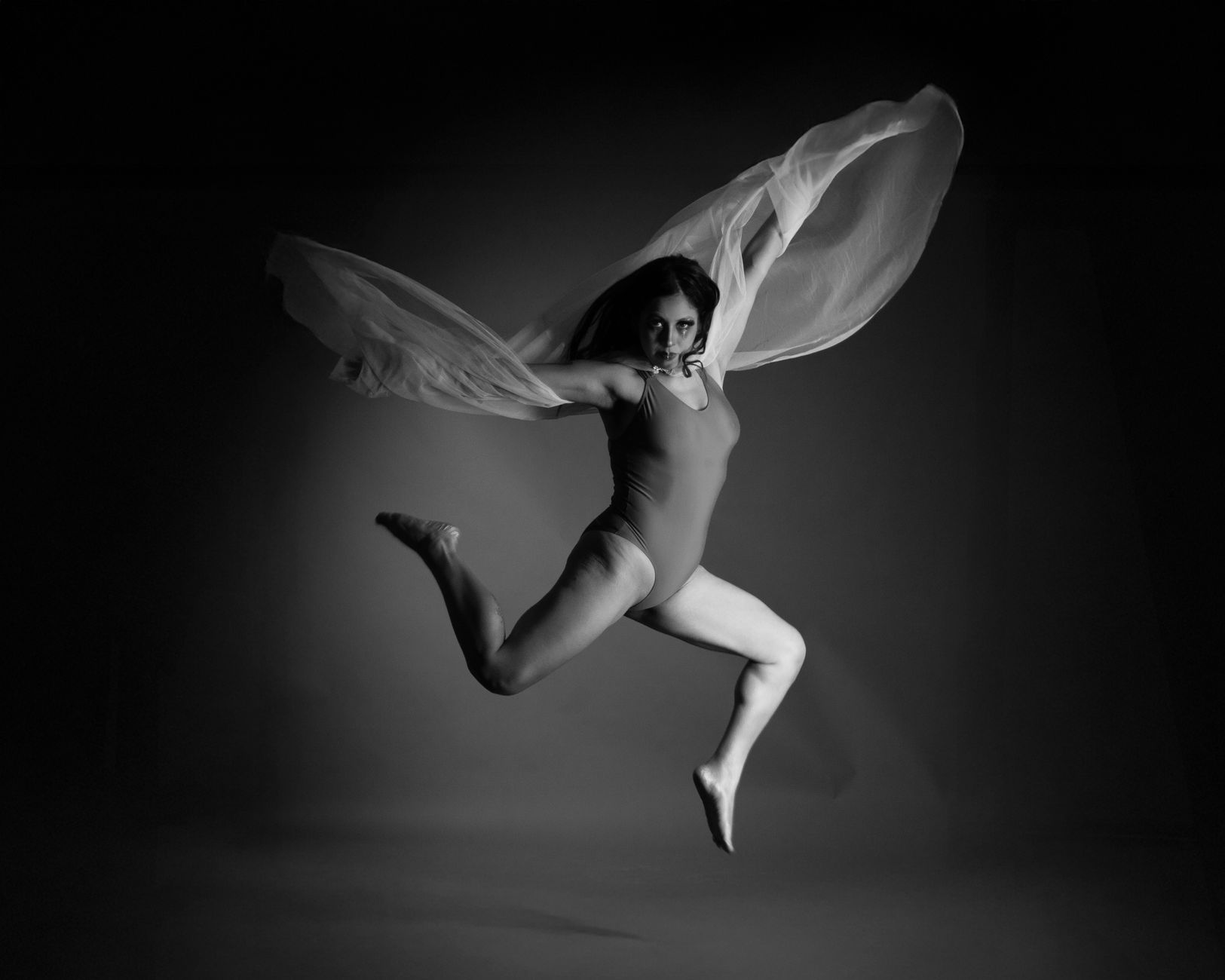
A performer acts out the movement while a system records it, optical cameras tracking markers, an inertial sensor suit, or an AI markerless setup. The goal is a faithful recording of how the body (and ideally the face and hands) moved through space and time.
Step 2: Solve and clean the data
Raw capture is never perfect: markers swap, sensors drift, frames glitch. The data is solved onto a digital skeleton and then cleaned, smoothing jitters, fixing foot sliding, and repairing dropouts, so the motion is stable and believable. This cleanup is much of the real craft of mocap.
Step 3: Retarget to the character
The performer and the character are rarely the same shape, think a tall human driving a short, stocky creature. Retargeting maps the captured motion onto the character’s specific skeleton and proportions so it moves correctly, without broken joints or sliding feet. Good retargeting preserves the performance while respecting the new body.
Step 4: Layer in face and hands
Body motion alone reads as hollow. Facial capture drives expressions and lip movement; finger capture brings gesture and detail. These are combined with the body so the whole character performs as one, which is what sells it as alive rather than puppeted.
Step 5: Polish and bring into the engine
Finally, an animator polishes, adding accents, fixing contacts, exaggerating where the story needs it, and the animation is brought into the real-time engine or render pipeline where it lives. In a real-time engine, the captured character can perform live, even on an LED stage or in an interactive experience.
Mocap doesn’t replace animation. It gives animators a real human performance to build on.
Why the pipeline matters when you hire
Capture is the easy part; the solve, retarget, and polish are where quality is won or lost. When you engage a studio, you are really buying that pipeline, and it runs remotely: we can take capture data and deliver finished, engine-ready characters to clients anywhere. See our remote green screen and mocap services.
Need a performance turned into a finished digital character? Let’s build it.
Frequently Asked Questions
How does motion capture animation work?
A performer’s movement is recorded, solved onto a digital skeleton, and cleaned to remove glitches. It is then retargeted onto the character’s proportions, combined with facial and finger capture, polished by an animator, and brought into a real-time engine or render pipeline as a finished animated character.
Does motion capture replace animators?
No. Mocap gives animators a real human performance as a foundation, but the solve, cleanup, retargeting, and final polish are skilled animation work. The quality of a mocap character depends heavily on that pipeline, not just the capture itself.
Can motion capture characters perform in real time?
Yes. Once brought into a real-time engine, a mocap-driven character can perform live, including on an LED stage or inside an interactive experience, which is central to modern virtual production.