A reconstruction you can only watch is impressive. A reconstruction you can explore changes how people learn. The same digital model used for a film shot can become a museum kiosk a visitor steers themselves, a classroom tool students walk through, a VR tour, or an interactive app. Turning a static reconstruction into an experience is where history stops being something you are told and becomes something you discover.
This closes our series on reconstructing ancient civilizations.
From a model to an experience
A film environment only needs to look right from the camera’s path. An interactive one must hold up everywhere, because the user decides where to go. That means optimizing the real-time build to run smoothly on the target hardware, designing intuitive navigation, and layering in the information and interactions that make it educational rather than just a walk.
Formats that work
Museum kiosks and installations
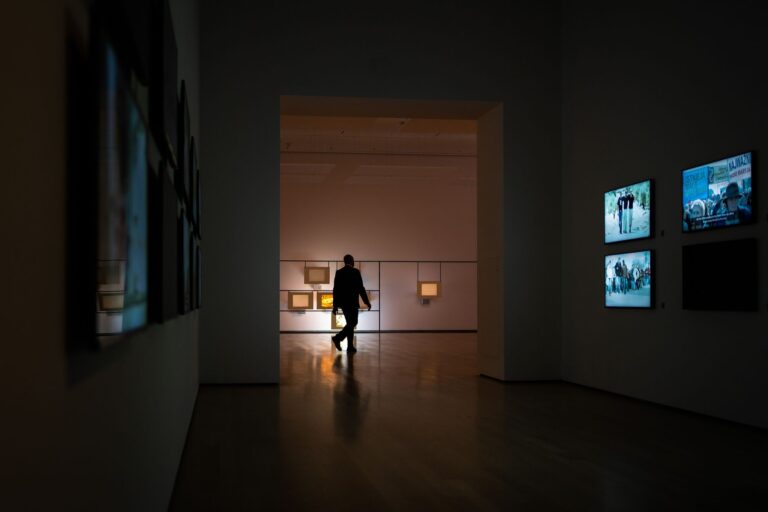
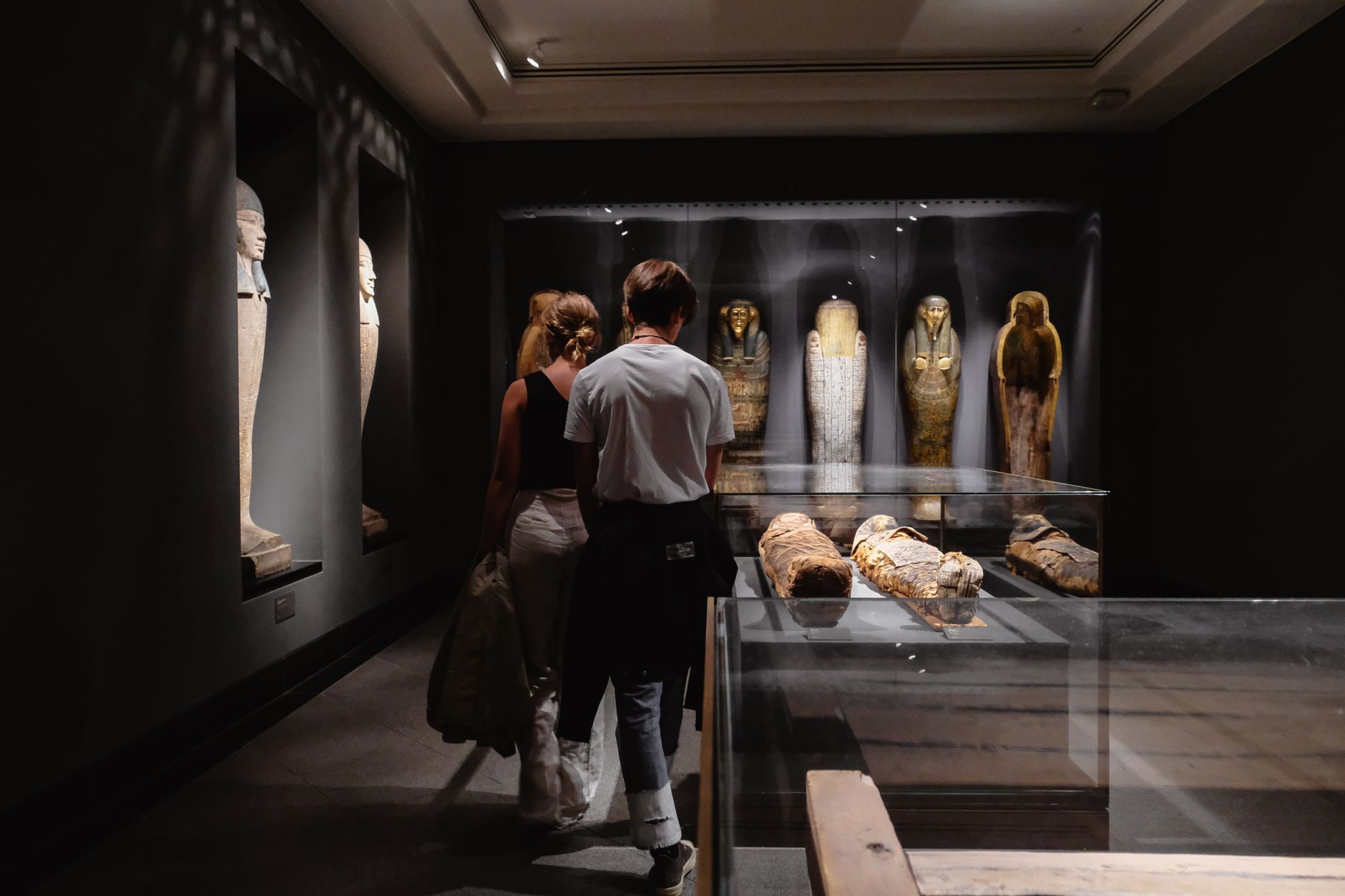
A touchscreen or large display lets visitors explore a reconstructed site at their own pace, reveal labels, compare the ruin to its rebuilt form, and see daily life animated. It deepens a visit without replacing the real artifacts.
Classroom and online learning
Students can walk an ancient city, trigger explanations in place, and remember it because they experienced it. This pairs naturally with structured history tools, the same thinking behind our interactive History Atlas mapping product.
VR and guided tours
Virtual reality drops a person inside the reconstruction at full scale, an unmatched way to convey the size and feel of a place that no longer stands. Guided modes keep it informative rather than aimless.
Designing for understanding, not just immersion
The trap with interactive history is spectacle without substance. Good design keeps every interaction tied to a learning goal: what should the visitor understand by the end? We build the reconstruction for accuracy first (see the Unreal build process), then design the experience so the history, not the technology, is the star.
Immersion is the hook. Understanding is the point. The best experiences never confuse the two.
Built once, delivered widely
Because everything is built in a real-time engine, a single reconstruction can ship as a kiosk, a web experience, a VR build, and a set of film-ready environments. For a museum or educator, that reuse is what makes an ambitious project realistic on a real budget, which we break down in reconstruction costs.
Want visitors or students to explore history, not just read it? Let’s build an interactive experience.
Frequently Asked Questions
What is an interactive history experience?
It is a reconstructed historical site delivered as something the audience controls, such as a museum kiosk, a classroom walkthrough, a VR tour, or an interactive app, rather than a fixed film or image. The user decides where to go and what to explore, which makes the history more memorable.
Can one reconstruction be used for several formats?
Yes. Because it is built in a real-time engine, a single reconstruction can ship as a museum kiosk, a web experience, a VR build, and film-ready environments. That reuse is what makes an ambitious interactive project realistic on a real budget.
How do you keep an interactive experience educational and not just flashy?
By tying every interaction to a learning goal and building for historical accuracy first, then designing the experience so the history is the focus and the technology stays in service of understanding rather than spectacle.