The first practical question every museum, producer, or educator asks about reconstructing a historical site is what it costs. The honest answer is that it depends on scope, but the variables are predictable, and you can control the budget by being clear about what you actually need. Here is how reconstruction projects are priced and how to get the most for a given budget.
This is the buyer’s guide companion to our overview of digital reconstruction.
The five factors that set the price
1. Scale
A single artifact or one building is dramatically cheaper than a full street, and a street is cheaper than a whole city. Cost scales with how much unique geometry must be built, though modular construction keeps large sites more affordable than they first appear.
2. Accuracy and detail
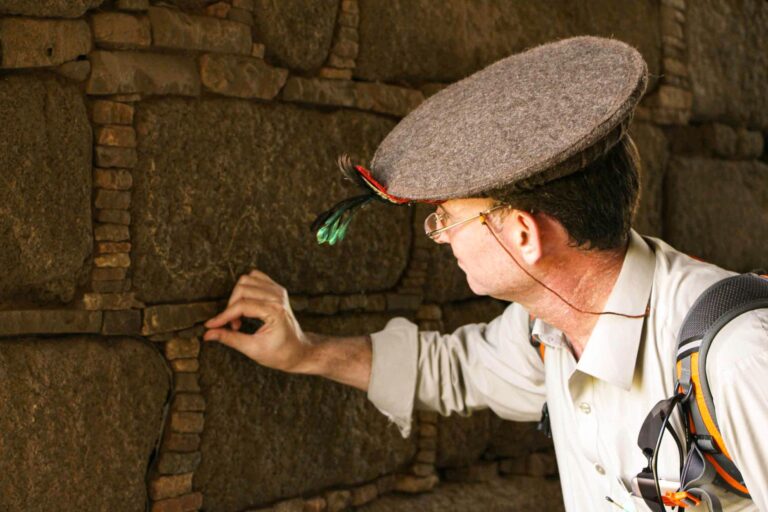
How close will the viewer get? A distant cinematic vista needs far less surface detail than a first-person walkthrough where someone can press their face against a wall. Required accuracy, and the depth of historical research behind it, is often the biggest cost driver.
3. How much reference exists
A well-documented, excavated site with surviving structures is faster to rebuild than a place known only from a few fragments, which demands far more research and expert consultation to reconstruct responsibly.
4. Deliverable format
A set of still images costs less than cinematic shots, which cost less than a fully interactive, polished real-time experience or VR build. The good news: one reconstruction can feed several formats, so additional deliverables are cheaper than starting over.
5. Interactivity
A film environment is watched. An interactive experience must handle a user going anywhere and doing anything, which adds optimization and design work. Interactivity adds value and cost together.
How to get the most for your budget
Start with the highest-impact piece, one hero landmark or scene, rather than everything at once. Reuse a modular kit across the site. Pick the formats you will genuinely use. And capture reference well: good photogrammetry up front saves expensive guesswork later. A focused, well-scoped project almost always beats a sprawling one on both cost and quality.
The cheapest reconstruction is a clear one: know exactly what you need, and build that first.
Why remote keeps costs sensible
Because the work is digital, you are not paying for travel, on-site crews, or a physical build. A remote studio can deliver a world-class reconstruction to a client on another continent, which keeps overhead low and the budget focused on the actual craft. We scope every project transparently before work begins.
Want a real estimate for your site or story? Tell us your scope and we’ll scope the budget.
Frequently Asked Questions
How much does it cost to digitally reconstruct a historical site?
It depends on scope. The main cost drivers are scale (one building vs a whole city), required accuracy and detail, how much reference material exists, the deliverable formats, and how interactive it needs to be. A single landmark is far cheaper than a full interactive city, and a clear, focused scope is the best way to control budget.
How can I reduce the cost of a reconstruction project?
Start with one high-impact hero landmark or scene, reuse a modular kit across the site, choose only the deliverable formats you will actually use, and invest in good photogrammetry reference up front to avoid expensive guesswork later.
Does working with a remote studio lower the cost?
Yes. Because the work is fully digital, there’s no travel, on-site crew, or physical build to pay for, so a remote studio can deliver to clients anywhere while keeping the budget focused on the craft itself.