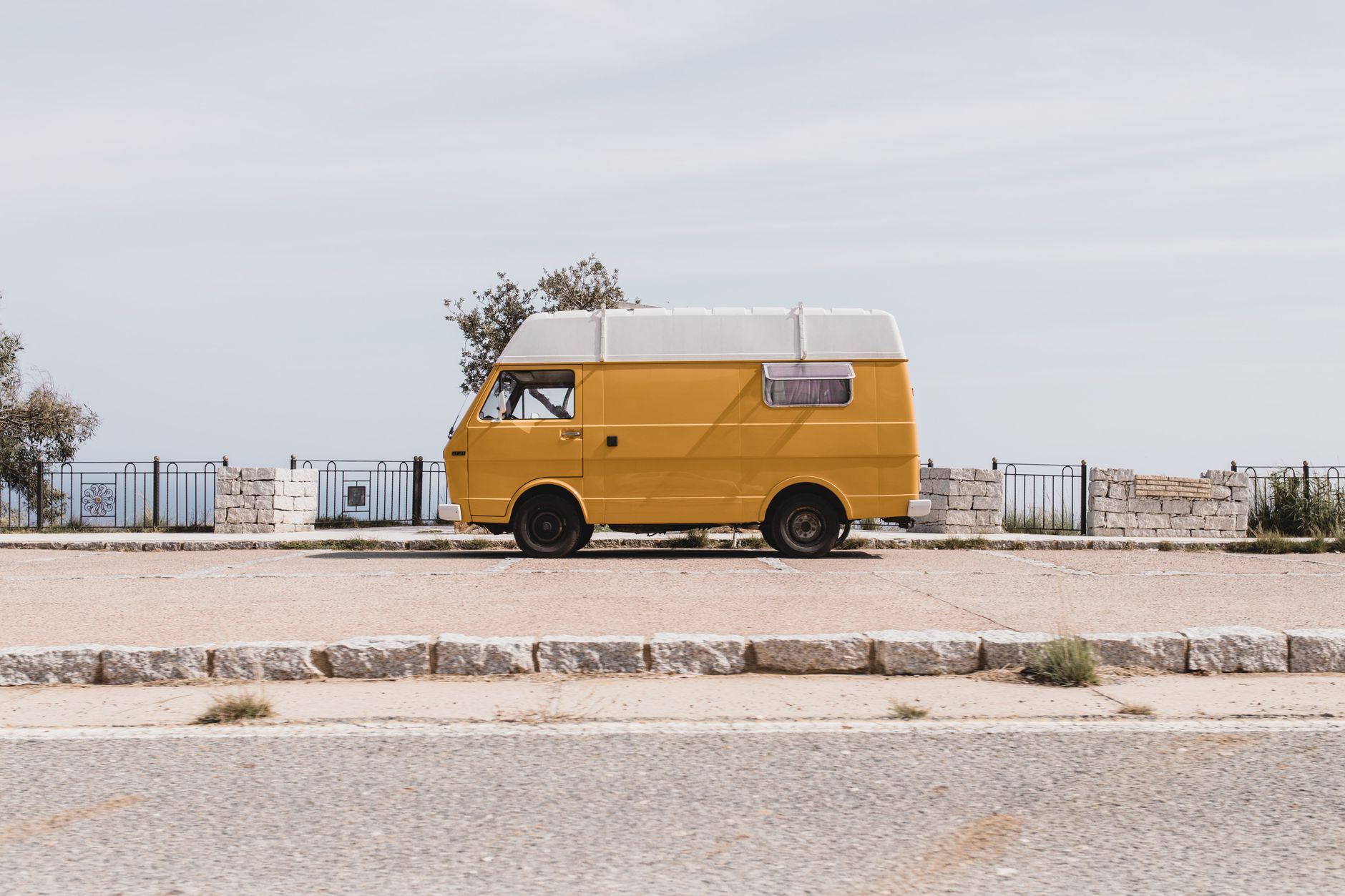
Saskatchewan does not ease you into winter. One week you have frost, two weeks later you are looking at -35 with a windchill that makes it -45, and your van either handles it or it does not. I run a 1976 Chevy G20, and everything in this post comes from actually driving and sleeping in it through prairie winters — not from watching van build content and buying the recommended products.
The Truth About Insulation in an Old Van
Influencer van builds almost always start with a modern Transit or Sprinter with factory panels that come out clean. A 1976 G20 is not that van. The walls are steel, the gaps are real, and there is no tidy layer of factory foam to work around. That is not a problem — it is just a different starting point.
For an old steel van in extreme cold, the insulation priority is the floor first, walls second, ceiling third. Cold conducts up through the floor faster than through the walls, and most people under-insulate the floor because it is the least visible part of the build. Rigid foam board (polyiso or XPS) on the floor, at least 1.5 inches thick, covered with plywood, makes a measurable difference. Do not skip the thermal break between the plywood and the steel subfloor.
On the walls, spray foam gets into the frame cavities and irregular spaces that rigid board cannot. Use it for gaps and irregular spots, then cover with rigid board on the flat sections. Do not use fiberglass batts in a van. They absorb moisture and compress over time. Moisture in your wall insulation in a Saskatchewan winter is rot and mold waiting to happen.
The G20 roof is large and flat compared to newer vans. That surface area loses heat fast. Two inches of rigid foam up top, vapor barrier on the warm side, and a finished ceiling board is not optional — it is the difference between your heater running all night and actually maintaining temperature.
Propane vs. Diesel Heat
Both work. Both have real tradeoffs at prairie temperatures.
Propane becomes unreliable below about -25 Celsius if your tank is mounted outside and exposed to wind. The pressure drops and your heater starts cycling or failing to ignite. You can mitigate this with an insulated tank enclosure or by keeping a smaller tank inside the van, but that adds complexity and a safety consideration you need to take seriously. Propane is cheaper to run and the heaters themselves cost less upfront. For most Saskatchewan winters, a well-installed propane setup with an insulated tank works.
Diesel heaters — a Chinese-brand unit or a genuine Webasto or Espar if you have the budget — do not care about extreme cold. Diesel does not have the same pressure drop issues at low temperatures, and the heaters are built to run in consistent cycles even in hard cold. The units are more expensive, installation is more involved, and you need a diesel fuel source, but for serious Saskatchewan winters where you are not always in a position to warm the van up before sleeping in it, a diesel heater is the more reliable choice.
What you do not want is to rely on your engine heat or a portable propane buddy heater as your primary heat source overnight. Both are compromises, not solutions.
Condensation Control
Condensation is the actual enemy in winter van life. You breathe, you cook, you exist — and all of that moisture goes somewhere. In a well-insulated van at -30 outside, that moisture hits cold surfaces and turns into water, then ice, then mold if you ignore it long enough.
A vapor barrier on the warm side of your insulation is not optional in this climate. Ventilation is also not optional — even in brutal cold, you need to crack a vent or fan for air exchange. A small diesel or propane heater running combustion inside the van produces water vapor as a byproduct. Running the fan on low while you sleep does more for moisture management than any product you can buy. Wipe down metal surfaces you cannot insulate every morning. It takes two minutes and it matters.
Battery Management in Extreme Cold
Lithium batteries lose capacity fast in extreme cold and can be damaged if you try to charge them below freezing without a battery management system that handles low-temperature cutoff. AGM batteries are more cold-tolerant but heavier and less efficient. In a 1976 G20 being used for van life in Saskatchewan, keeping your battery bank inside the insulated living space — not in an external compartment or in the engine bay — is more important than the battery chemistry you choose.
Size your system for what you actually need, not for what looks good in a build video. A heater, phone charging, a 12V fan, and some lighting do not require a 400Ah lithium bank. A 100 to 200Ah AGM setup that is kept warm and charged from a properly wired alternator will run a simple winter setup reliably. Add capacity when you have a demonstrated need for it.
What You Actually Need
Good floor insulation. A reliable heat source that works below -30. A vapor barrier and basic ventilation plan. A battery setup that stays warm. Wool or synthetic blankets as a backup when the heater cycles. A quality sleeping bag rated below what you expect to sleep in.
What you do not need: a full hardwood interior, a roof-mounted solar array that produces minimal output in a Saskatchewan December, custom cabinetry on the first build, or any product that was designed and tested in a mild Pacific coast winter and sold to the broader van life market as universal. Prairie winters are specific. Build for where you actually are. More on the G20 build and Saskatchewan routes in the van life archive.
Related reading from Sinfull Studios
- Prairie Van Life Expectations vs Reality: What Actually Breaks First
- The Prairie Van-Life Toolkit That Actually Earns Its Space
- Saskatchewan Van Life Is Not What Instagram Says It Is (And That Is Fine)
- Van Life in Regina
Based in Regina, Saskatchewan. Explore Van Life or request a quote from Sinfull Studios.