Open Instagram and search for van life and you will find the Pacific Coast Highway, desert sunsets in Joshua Tree, and snowcapped mountains reflected in alpine lakes. You will not find much about a two-lane highway cutting across the prairie between Regina and Swift Current with nothing but canola fields on both sides and a north wind that wants to push your van into the ditch.
That is Saskatchewan van life. It is mine. And once you understand what it actually is, it starts to make a lot of sense.
The Temperature Problem Is Real
Saskatchewan gets cold. Not wear-a-jacket cold — genuine -40 cold where exposed skin freezes in minutes and diesel engines need block heaters to start. In summer the same province hits +35 with high humidity in the south and dry heat in the west. Your van build has to account for both extremes, and most van life content you find online is built around a much narrower climate band.
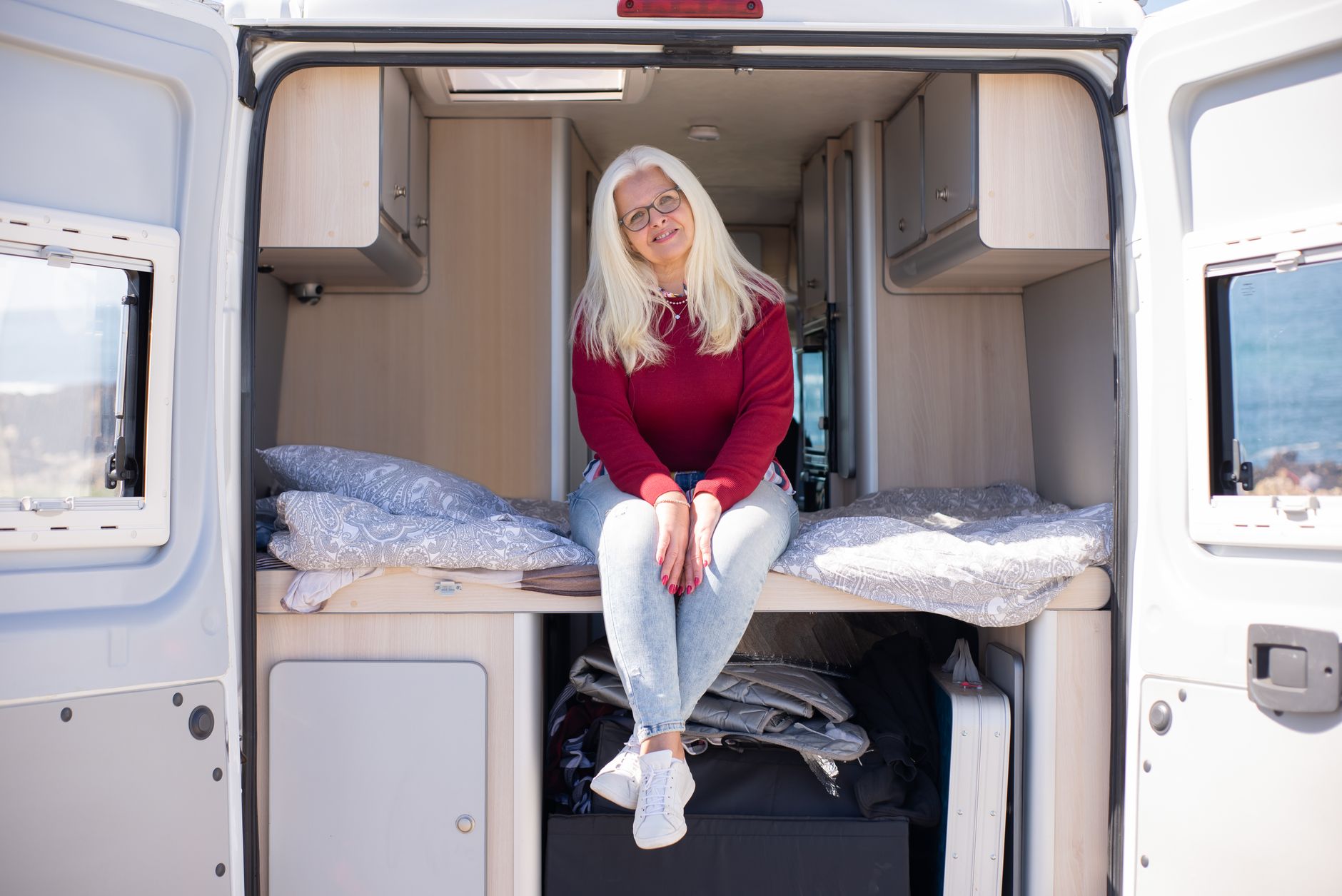
The G20 van I run is built for this. Insulation is not optional here — it is structural to whether the van is livable. Spray foam in the walls and ceiling, thermal window covers, a diesel heater for winter and proper ventilation for summer. Roof fans that can actually move air matter in July. A heater that does not depend on your engine running matters in February.
If you are planning a Saskatchewan van build and you are sourcing your advice from YouTube channels based in California or Portugal, you are going to make expensive mistakes. The climate here is a different engineering problem.
Distances Are Not Scenic — They Are Strategic
Saskatchewan is big and the towns are far apart. You will drive 80 kilometers between fuel stops in some parts of the province. In others, the gap is longer. Running your tank low here is not a fun adventure story — it is genuinely stranding yourself in a place where cell service may not reach.
Fuel planning is a habit you build fast. Check the map before you leave, know where the next station is, and do not let the tank drop below a quarter on a secondary highway. This is not dramatic advice — it is just how you operate out here without incidents.
The upside of long straight roads through flat country is that they are easy to drive. Prairie highway driving is steady and predictable. Your fuel economy is consistent, wind permitting. The roads are straight enough that you can actually see what is ahead of you.
Where to Camp Legally and Cheaply in Saskatchewan
Saskatchewan has provincial parks and recreation sites that are genuinely affordable — much cheaper than comparable facilities in BC or Ontario. Rowan Ravine, Moose Mountain, Cypress Hills — these are real places with real camping infrastructure at prices that do not break a van life budget.
Crown land camping is available in parts of the province, though navigating where exactly is legal requires checking with SaskForestry and local land designations. It is not as simple as pulling off anywhere on a dirt road — some of that land is leased for grazing and you are technically trespassing even if it feels remote.
Small-town Saskatchewan is often more van-friendly than people expect. Parking overnight in a small town without a campground is usually not a problem if you are not making a mess or blocking anything. People out here are generally practical about strangers passing through.
What Flat Country Is Actually Good For
The landscape here does not photograph the same way a mountain range does. It takes time to appreciate what the prairies actually offer. Once you get it, you get it.
Dark sky astronomy in Saskatchewan is exceptional. There is almost no light pollution once you get 30 kilometers outside a city. The Milky Way is visible on clear nights from late summer through fall in a way that is hard to find in more populated provinces. If you have any interest in astrophotography, the prairies are a legitimate destination — not a consolation prize.
Sunsets here are also not a small thing. A flat horizon means you see the full arc of the sky changing color. There is nothing between you and the horizon, so a good prairie sunset runs for a long time and covers the whole sky.
Wildlife is also underrated. White-tailed deer, pronghorn antelope, sandhill cranes, great horned owls, badgers in the south — this is not a sterile landscape. It rewards people who slow down and pay attention.
The G20 and Saskatchewan Conditions
The G20 van handles the province well. It is sized for practical use — not a converted school bus that cannot fit in a normal parking spot, not a cargo van so small that you cannot stand up. Ground clearance matters when you take secondary gravel roads to remote provincial sites. The G20 is not lifted, but it manages graded gravel without issue.
Winter presents the honest challenge. Parking a van overnight at -35 requires planning: block heater hookup where available, diesel heater running on a timer, moisture management inside. I have worked through these problems iteratively. The build evolves with experience.
Why Saskatchewan Van Life Makes Sense
Instagram van life sells a specific aesthetic. Saskatchewan does not fit that aesthetic, and that is exactly why it works for me. The costs are lower, the crowds are smaller, the people are straightforward, and the land demands that you actually know what you are doing with your build.
It is not the content that gets 200,000 likes. It is the real version of van life — practical, unglamorous in the right ways, and genuinely rewarding once you understand the province you are moving through.
If you are considering it, come out here with a properly insulated build, a full fuel tank, and realistic expectations. The prairies will deliver.
Explore the Van Life and the G20 build at Sinfull Studios for more.
Related reading from Sinfull Studios
- What To Check On An Older Van Before A Saskatchewan Weekend Run
- Van Life With a Dog — Practical Setup for Traveling With a Pet in a Converted Van
- Saskatchewan Van Life Routes: The Best Roads to Drive From Regina and What to Expect
- Van Life in Regina
Based in Regina, Saskatchewan. Explore Van Life or request a quote from Sinfull Studios.