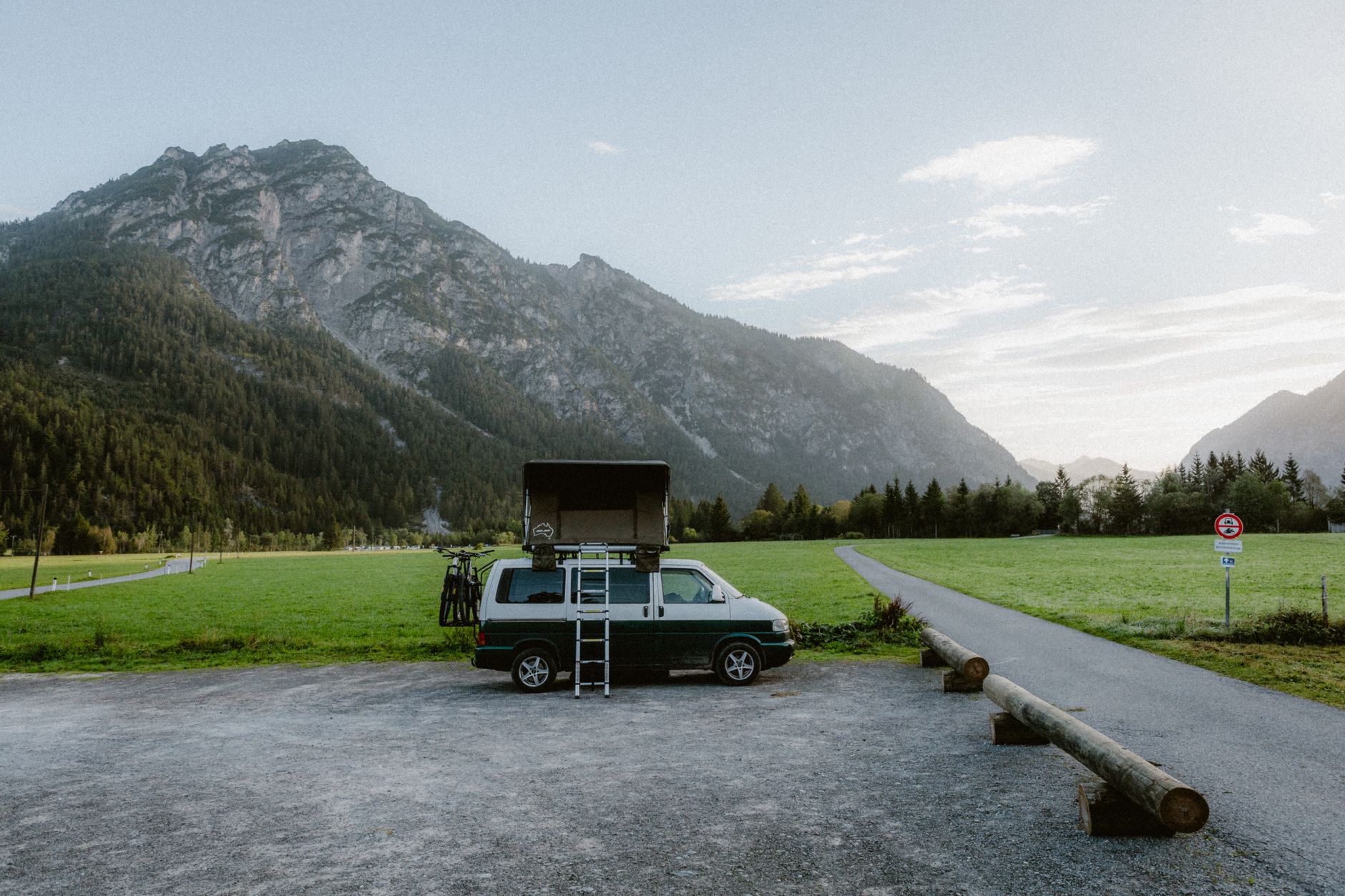
Van life is easy to envy from a distance. A good photo catches the light, the coffee steams, and the van looks like proof that ordinary rules no longer apply. On the prairies, that version can be true for about ten minutes at sunrise. After that, the real work starts. Wind shows up. Gravel starts rattling everything you forgot to secure. A cabinet latch you trusted yesterday opens itself on the first rough stretch of road. That does not make the life less worth wanting. It just means prairie van life is built on repair, routine, and discipline.
That is the version of van life we care about at Sinfull Studios. Not performative freedom. The good version is the one that can survive a crosswind outside Regina, a cold morning start, and another week of being both transportation and home. If you have been following the broader van life section, you already know the appeal. The part people skip is what actually fails once you start living in the van.
What People Envy Is Usually the Result, Not the Process
The part that reads well on social media is the finished frame: clean bed platform, organized drawers, boots by the door, and a horizon line that makes everyone else question their office job. The process behind that frame is less glamorous. Every design decision gets tested by motion, temperature swings, and repetition. A layout that looks smart in the driveway can become annoying by day three. The lesson is simple: if your van build only works when it is standing still, it is not done yet.
That is especially true in Saskatchewan and across the prairie provinces. Expansion joints, frost heaves, gravel, washboard, and long distances expose weak choices fast. A van on prairie roads is basically a rolling stress test, which is why a good build is less about clever ideas and more about reducing failure points.
What Actually Breaks First on a Prairie Van Build
The first things to fail are usually not the big dramatic systems. It is the small confidence killers. Fasteners back out. Hinges loosen. Cheap drawer slides start binding once dust gets into them. Adhesives that looked strong in mild weather give up after heat, cold, and vibration take turns attacking them. Electrical problems often come from movement rather than complexity: a connector that was almost crimped properly, a wire run without enough strain relief, a fuse location that seemed convenient until you had to reach it on the side of the road.
Water systems also teach humility. A tiny leak does not stay tiny when you live with it. Condensation becomes a real build issue, especially when cool prairie nights follow warmer days. Seals, ventilation, and drainage decide whether the van feels calm or constantly one step from annoying.
If you are building or refining an older rig, that reality becomes sharper. Older vans reward simplicity, but they also demand honesty. Weak brackets do not magically improve, and rattles do not self-correct. That is one reason the G20 build story matters: the appeal of an older van is not nostalgia by itself. It is the chance to build a machine you understand well enough to fix.
Your Best Upgrade Is a Mobile Workshop
The most useful luxury item in prairie van life is not decor. It is a repair kit that matches your build. A van that travels far from easy parts access should carry the basics to solve predictable problems before they become trip-ending problems. That does not mean packing the entire garage. It means being deliberate.
- Fastener control: spare screws, bolts, washers, lock nuts, threadlocker, and a way to label what fits where.
- Electrical basics: fuses, connectors, crimpers, heat shrink, tape, a multimeter, and extra wire for the sizes you actually used.
- Leak response: sealant that matches your materials, rags, clamps, and a small inspection light so you can find the problem before dark.
- Roadside sanity: tire kit, compressor, hand tools that fit your real hardware, gloves, and one container where all of it lives every single time.
The point is not paranoia. The point is rhythm. When something comes loose in a parking lot or on a backroad turnout, you want a repair process that feels boring. Boring is good. Boring means the problem did not own the day.
Discipline Is the Part Nobody Photographs
Real van life gets easier when you stop treating maintenance like an interruption. Check your fasteners. Listen for new noises. Reset what migrated. Sweep the dust. Repack the tools. Refill water before you absolutely need it. If you travel with an animal, add another layer of discipline around airflow, temperature, and breaks. The difference between a stressful day and a solid one is often a handful of habits done early.
This is the part that turns envy into something more useful. A life worth envying is not one that looks effortless. It is one that has been made durable. The cinematic moments still happen, but they happen because the unglamorous work was handled first. You get the sunrise coffee because the latch stayed shut overnight. You get another week on the road because you fixed the small issue before it became an expensive one.
If that sounds less romantic than the hashtag version, good. It is also more sustainable. Prairie van life rewards people who can enjoy the view and still tighten the bolt. If you want more of the real-world side of this lifestyle, start with the broader van life hub. If you are building your own setup and want to compare notes, reach out through the contact page. Useful information is part of what keeps this life moving.
Related reading from Sinfull Studios
- Van Life in Saskatchewan: The Routes Worth Driving (And What Nobody Tells You)
- Traveling With Animals: Van Life and Road Trips With a Dog or Cat in Saskatchewan
- Saskatchewan Van Life Is Not What Instagram Says It Is (And That Is Fine)
- Van Life in Regina
Based in Regina, Saskatchewan. Explore Van Life or request a quote from Sinfull Studios.