Flooring installation in Regina and across Saskatchewan comes down to picking the right product for your subfloor, your household, and our climate — then getting the prep right before the first plank ever goes down. At Sinfull Studios we install laminate, luxury vinyl plank (LVP), engineered hardwood, and tile in homes across Regina, White City, Emerald Park, Pilot Butte, and the surrounding area, and we see the same cost drivers and mistakes come up again and again. This guide walks you through what matters so you can make a confident decision.
What Are My Main Options?
There are four products most Regina homeowners consider:
- Laminate — A fiberboard core with a photographic layer and a wear surface. Looks great, handles moderate foot traffic well, and is one of the more budget-friendly choices. Sensitive to standing water, so it is not the right call for bathrooms or basement slabs with any moisture history.
- Luxury vinyl plank (LVP) — 100% waterproof core, realistic wood look, and softer underfoot than laminate. LVP has become the go-to for basements, kitchens, and full-house installs in homes with kids or pets. Wear layer thickness (12 mil or higher for high-traffic spaces) is the main quality differentiator.
- Engineered hardwood — A real wood veneer over a plywood core. More dimensionally stable than solid hardwood in our freeze-thaw swings, but it still needs controlled humidity — roughly 35-55% RH — and it does not belong below grade. It costs more than laminate or LVP and adds resale appeal.
- Solid hardwood — Premium, refinishable, timeless. Best on main floors with a proper crawl space or heated basement below. Saskatchewan winters mean you run forced-air heat for months, which dries out interiors significantly; solid hardwood can gap or cup without a humidifier.
- Tile — For kitchens, mudrooms, bathrooms, and laundry rooms, tile is the right answer. Labor-intensive to set correctly and unforgiving if the subfloor flexes, but nothing beats it for durability and moisture tolerance.
Why Does Subfloor Prep Matter So Much?
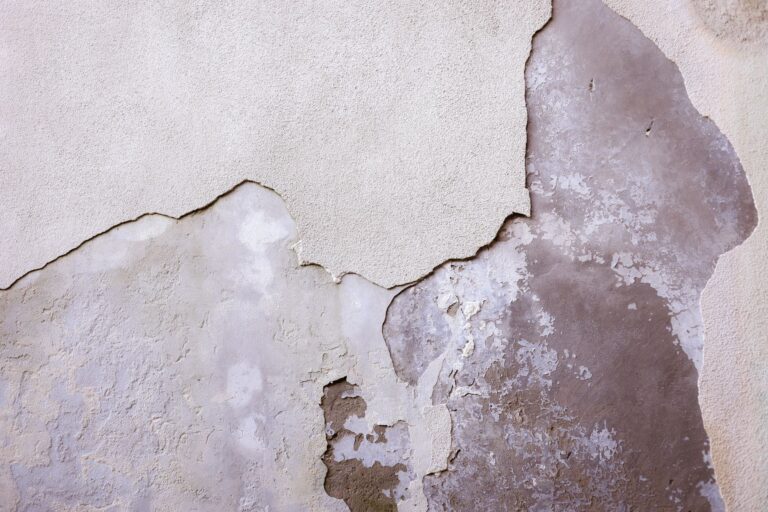
This is where most flooring failures come from. Any new floor is only as flat and stable as what is underneath it. Most manufacturers spec a subfloor that is flat to within 3/16″ over a 10-foot span — that sounds tight, but high spots and low spots in older Regina homes are common. We grind high spots, fill low spots with floor leveler, and replace any soft, spongy, or delaminated OSB or plywood before anything goes down. Skipping this step voids warranties and causes planks to click apart, squeak, or hollow-sound under foot within a year. Budget time and some material cost for prep — it is not optional.
What About Basements and Moisture in Saskatchewan?
Basement flooring is a question I get in almost every quote in Pilot Butte, Balgonie, and the newer subdivisions around Emerald Park and White City. Concrete slabs absorb ground moisture year-round, and spring melt in Saskatchewan puts real pressure on basement envelopes. Before I install anything below grade, I check for active moisture with a calcium chloride or relative humidity test — you can also tape a piece of plastic film to the slab for 24-48 hours and look for condensation underneath. LVP is the safest choice on concrete: floating over a quality underlayment, it handles minor moisture events that would buckle laminate or swell engineered hardwood. I steer people away from glue-down hardwood or standard laminate in any basement unless moisture testing comes back very clean and the drainage situation is well understood.
What Drives the Cost of Flooring Installation?
Material and labor are the obvious two, but there are several line items that catch homeowners off guard:
- Material grade — Budget laminate and entry-level LVP can come in well under mid-grade engineered hardwood per square foot. Quality within each category varies a lot — a thicker wear layer and better locking profile are worth paying for.
- Subfloor repair — Grinding, leveling, or replacing damaged subfloor adds cost but is non-negotiable for a lasting result.
- Removal and disposal — Pulling out old carpet, staple removal, and hauling debris takes real time. It is usually quoted separately.
- Room complexity — Transitions, stairs, angled cuts, multiple doorways, and built-in furniture all add labor. Open-concept main floors are faster than chopped-up older homes.
- Underlayment — Some products have it pre-attached; others need a separate layer. Acoustic underlayment adds cost but makes a genuine difference in condos and multi-level homes.
- Travel — Jobs in Lumsden or further out include drive time in the quote.
As a rough frame: LVP and laminate installs tend to run meaningfully less per square foot installed than engineered hardwood, which in turn runs less than solid hardwood or tile. Get a quoted number for your specific space — square footage, product, and site conditions all shift the number significantly.
How Long Does Installation Take?
A typical main-floor install in a Regina bungalow — 800 to 1,200 square feet of LVP or laminate — usually runs one to two days of installation time once materials are acclimated and the subfloor is ready. Engineered hardwood takes similar time but needs 48-72 hours of acclimation in the home before we start. Tile is slower: setting, grouting, and cure time stretch a bathroom floor job to two or three days. Larger homes or multi-floor projects are quoted in phases. Material acclimation is not optional — especially in winter, bringing cold planks into a heated house and installing them the same day causes expansion problems once the product warms up.
Can I Install Flooring Myself?
Floating LVP and laminate are genuinely DIY-friendly for someone who is comfortable with a miter saw, can read a layout, and is willing to do the subfloor assessment honestly. The click-lock systems have improved a lot and the margin for error is reasonable on straightforward rectangular rooms. Where DIY tends to go sideways: subfloor prep (most homeowners underestimate how much work is needed), cutting around door casings and irregular shapes, and stair nosing installation. Tile and hardwood — nail-down or glue-down — have a much steeper skill curve. If you are unsure about your basement moisture situation, get a professional assessment before buying materials. A bad call on product selection is expensive to undo.
What Should I Ask Before Hiring a Flooring Installer?
A few things worth clarifying with anyone you bring in:
- Is subfloor prep included in the quote, or is it extra?
- Who supplies the underlayment, transitions, and trims — and are those costs in the number?
- Do you handle removal of the existing floor?
- What is your process if you find a moisture problem or soft subfloor once demolition starts?
- What warranty do you stand behind on the labor?
At Sinfull Studios, I walk through these questions before any work starts so there are no surprises on invoice day. Regina homeowners — and folks in White City, Emerald Park, and Pilot Butte — deserve a straight answer on scope and cost before they commit.
Which Floor Is Right for My Home?
Here is a plain summary for common situations:
- Basement rec room or bedroom — LVP, full stop. Waterproof core, comfortable underfoot, looks good.
- Main floor with kids and pets — LVP or a thick-wear-layer laminate. Both hold up. LVP wins if there is any chance of water (near exterior doors, mudrooms).
- Kitchen — LVP or tile. Tile if you want permanence and do not mind the harder surface underfoot.
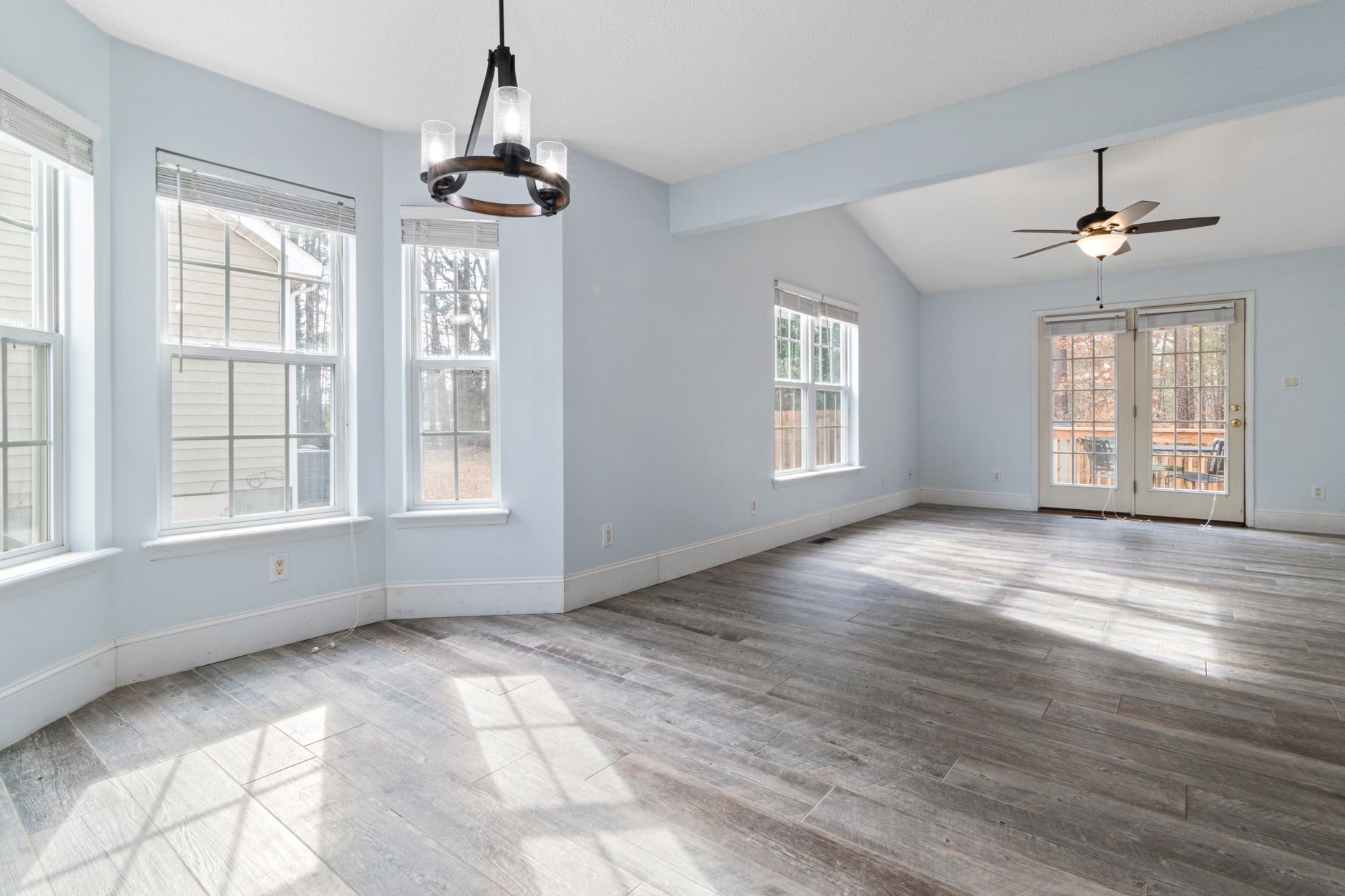
- Living and dining room, resale in mind — Engineered hardwood if the budget is there. Real wood look, refinishable surface, stands up to Saskatchewan’s humidity swings better than solid.
- Bathrooms and laundry — Tile or LVP. Nothing else belongs there.
Explore Build and Handyman services in Regina at Sinfull Studios, or get a free quote.
Related reading from Sinfull Studios
- Tile Installation in Regina: Backsplashes, Floors, and Showers
- Kitchen Renovation in Regina: Costs, Sequence, and What to Expect
- Garage Builds and Conversions in Regina: Options and Costs
- Build & Handyman Services in Regina
Planning a project in Regina? Explore Build & Handyman services or get a free quote from Sinfull Studios.
Frequently Asked Questions
What is the best flooring for a Regina basement?
Luxury vinyl plank (LVP) is the safest choice for basements in Regina and surrounding communities. Concrete slabs hold ground moisture year-round, and spring melt adds extra pressure. LVP has a 100% waterproof core that handles minor moisture events without buckling or swelling the way laminate or engineered hardwood can. Before installing anything below grade, test for active moisture — a plastic film taped to the slab for 48 hours will show condensation if moisture is moving through. If you have a known water history, address the drainage issue first.
How much does flooring installation cost in Regina, Saskatchewan?
Cost depends on the product, the condition of your subfloor, and the complexity of the space. As a general range, LVP and laminate install for less per square foot than engineered hardwood, which costs less than solid hardwood or tile. Subfloor prep, removal of existing flooring, underlayment, transitions, and disposal are often quoted separately and can add meaningfully to the total. Get a site-specific quote that breaks out materials, labor, and prep — a number without those details is hard to compare accurately.
Does flooring need to acclimate before installation in Saskatchewan?
Yes, and it matters more here than in many other climates. Saskatchewan winters mean forced-air heating runs for months, dropping indoor humidity significantly. Bringing cold or warehouse-stored flooring into a heated home and installing it immediately can cause planks to expand, buckle, or gap as they reach equilibrium. Most laminate and engineered hardwood manufacturers require 48-72 hours of acclimation in the installation space at normal living temperature and humidity. LVP is more forgiving but still benefits from acclimation, especially if it has been stored in a cold vehicle or warehouse.