Why the G20 and Not Something Newer
I get asked this a lot. A newer Transit or Sprinter would have been easier to source parts for, simpler to deal with on the electrical side, and probably more fuel efficient. All of that is true. But I did not want a newer Transit or Sprinter.
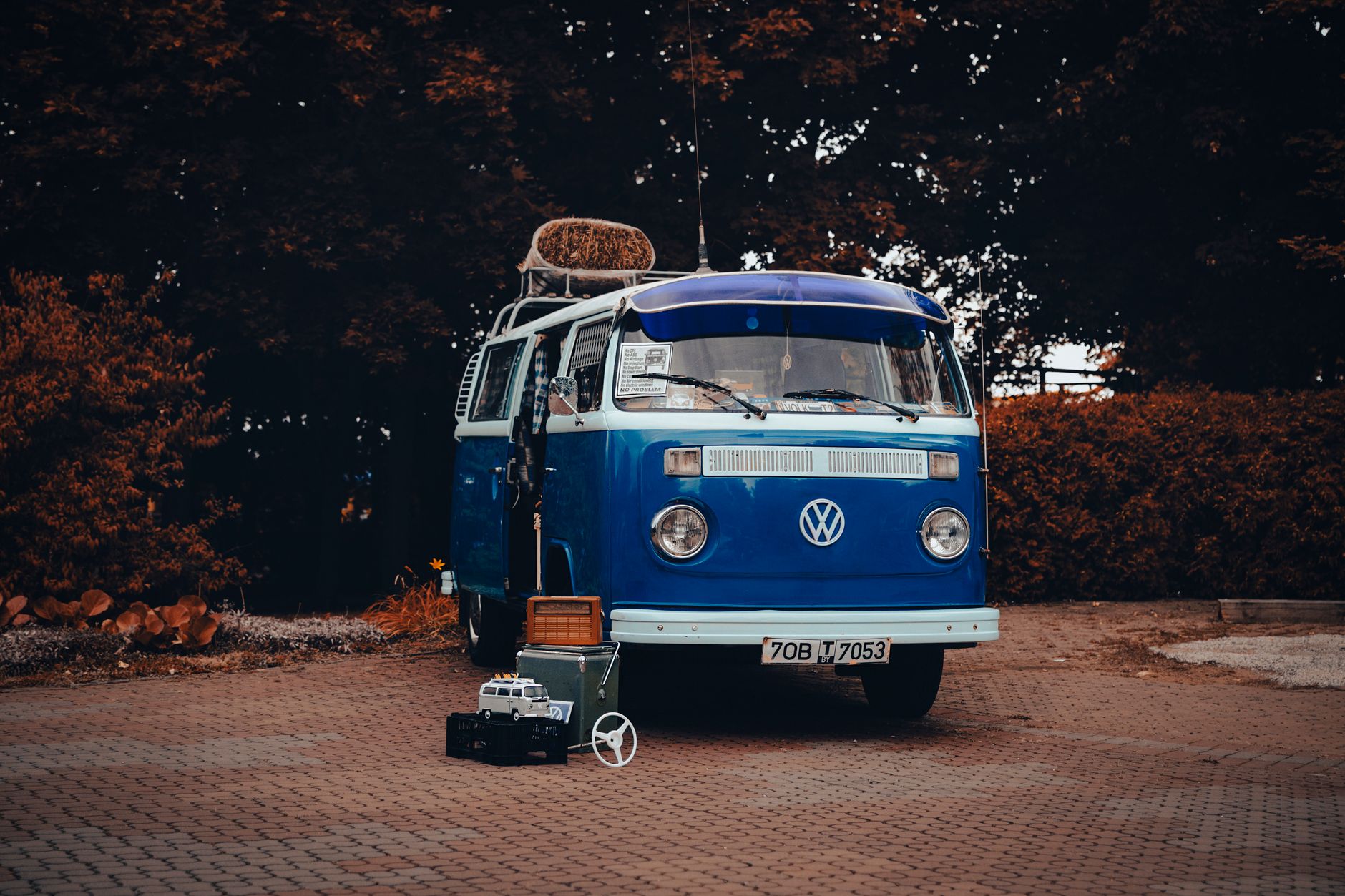
The 1976 G20 has something a newer platform does not have and cannot be made to have: character that is already earned. The proportions are right. The stance is right. The mechanicals — a small block V8, a simple carbureted fuel system, a transmission that any half-decent shop can work on — are things a person can actually understand and repair without a laptop. When I started pricing out what a functional older van cost versus a newer platform with equivalent living space, the math made the decision easier. The G20 was the van.
Phase One: Rust Remediation Before Anything Else
A 50-year-old van from the Canadian prairies has rust. That is not a surprise and it is not a dealbreaker — but it has to be the first conversation, not the last one. I went through the floor, the lower quarters, and the wheel wells before I bought insulation or thought about a layout. Rust that gets covered is rust that keeps working, and finding it under a finished interior two years later is an expensive and demoralizing discovery.
The floor had the worst of it. Previous owner modifications had covered some areas in ways that trapped moisture and accelerated the damage. I cut out what was compromised, fabricated and welded in new steel where it was needed, and treated the areas that were surface rust rather than through-rust with proper encapsulator before priming. This phase took longer than expected. It always does.
Phase Two: Mechanical Reliability First
The interior does not matter if the van does not move. Before I thought about insulation or furniture or electrical, I made sure the mechanicals were sorted. The engine needed a carburetor rebuild and some attention to the cooling system. The brakes got a full inspection and front drum work. The transmission was checked and showed no issues — one of the few areas where the previous owner had clearly done some maintenance at some point.
Parts availability for a 1976 G20 is not a nightmare, but it is also not like ordering for a 2015 vehicle. Some things required sourcing from specialty suppliers or waiting for the right part to show up used. I budgeted extra time into every mechanical phase because of this. That turned out to be the right call.
The Vintage Electrical System: Honest Assessment
The factory electrical on a van this age is simple by design, which is both its strength and its challenge. Simple means understandable. It also means that 50 years of previous owners have added, spliced, bypassed, and modified things in ways that do not always make sense and are not always documented anywhere.
I found three separate wiring modifications from what I can only describe as creative previous-owner problem solving. One of them was a fire risk that had been sitting in the dash for an unknown amount of time. I pulled the relevant sections back to a known good state and rebuilt them properly before doing any of the van build electrical work on top of the factory system. This is not optional work — it is the foundation everything else runs on.
Insulation and Interior: After the Foundation Is Right
With rust addressed, mechanicals sorted, and the electrical system in a state I actually trusted, the interior build became a project I could actually enjoy. Insulation went in with attention to thermal bridging and vapor management — Saskatchewan temperature swings make this worth doing correctly. The layout prioritizes function over aesthetics because a van that is a pain to live and work out of is not actually useful no matter how good it looks in photos.
What Road-Ready Actually Looks Like
Road-ready on the G20 means the van starts reliably, stops reliably, and I trust it on a Saskatchewan highway in variable conditions. It means the interior is functional — usable, not just photographable. It means I understand what is in the van mechanically well enough to address a problem on the road rather than just being stranded by one.
This build is documented at Sinfull Studios for anyone who is thinking about a similar project and wants to know what it actually involves — not the highlight reel version, but the full sequence from a compromised floor to a van that earns its road time.
Explore the Van Life and the G20 build at Sinfull Studios for more.
Related reading from Sinfull Studios
- Saskatchewan Van Life Is Not What Instagram Says It Is (And That Is Fine)
- Van Life in a Saskatchewan Winter: What I Got Wrong the First Time
- Powering a Van Build: Solar, Batteries, and a Realistic Electrical System Cost
- Van Life in Regina
Based in Regina, Saskatchewan. Explore Van Life or request a quote from Sinfull Studios.