The Real Constraints of Living in a Van With a Dog
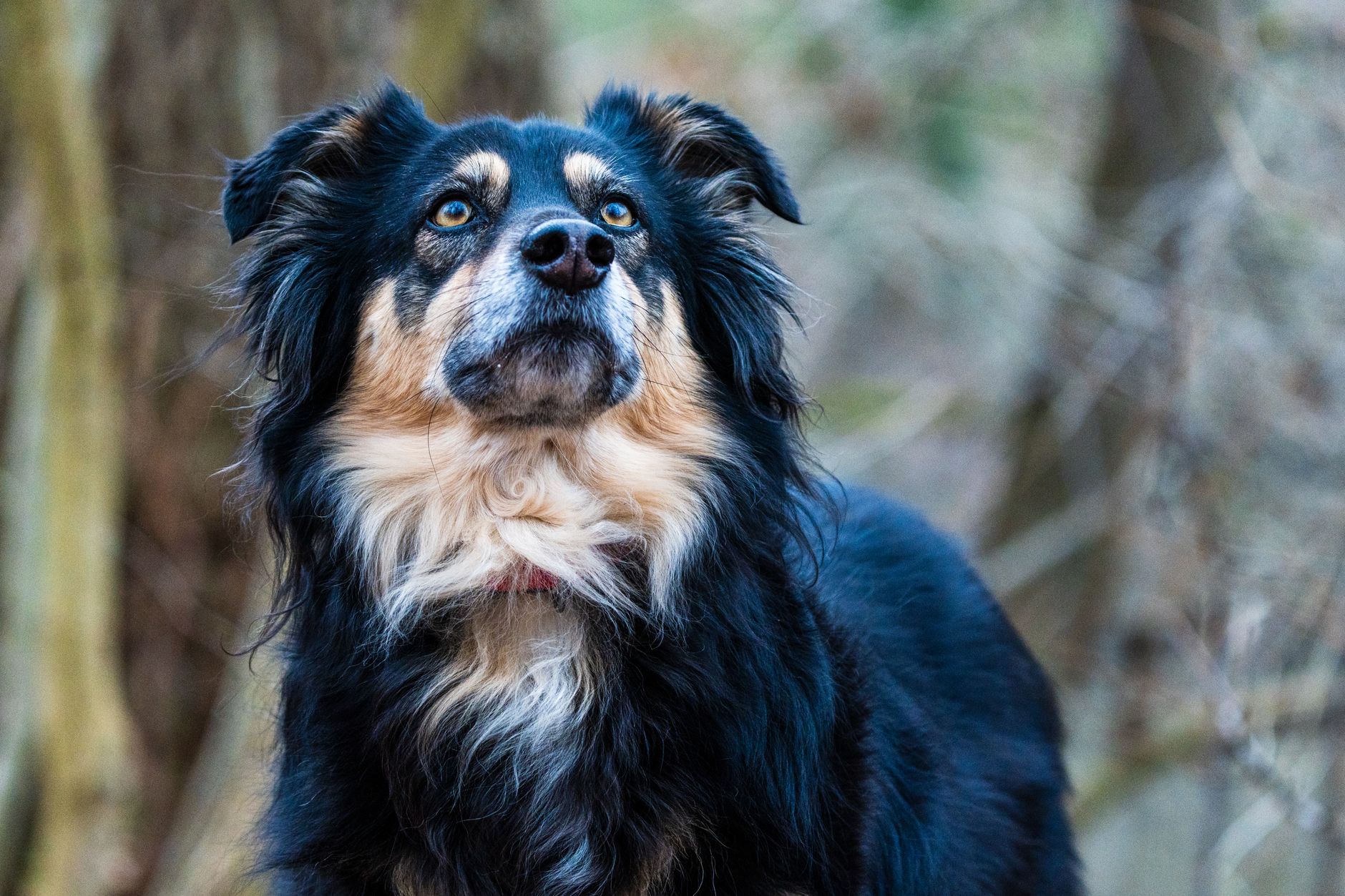
A dog in a van changes every decision in the build. Where you park, how long you can leave the van, what temperature management looks like, how you store gear — all of it gets reconsidered when there is a dog involved. The upside is that dogs adapt well to van life once they have a routine and a safe space. The downside is that their needs are non-negotiable in a way that human discomfort is not. Overheating is a real danger, separation anxiety causes visible property damage, and a dog that is not exercised enough makes van life miserable for everyone.
Temperature Management Is the Priority
In a Saskatchewan summer, a closed van in direct sun can reach lethal temperatures for a dog within 20 minutes. This is not an exaggeration. The van needs a ventilation system that works without shore power — a roof fan with a thermostat is the standard solution. A quality fan like the Maxxair or Fan-Tastic Vent with a built-in thermostat will spin up automatically when the interior hits a set temperature and keep air moving even when you are away from the van.
In winter, the concern reverses. Saskatchewan winters are hard on dogs left in unheated vans. A diesel heater with a timer and thermostat solves the heating side. If you are doing extended cold-weather travel, a temperature alert device that pings your phone when interior temps drop below a threshold gives you peace of mind when you are away from the van on foot.
Dedicated Dog Space in the Build
Dogs do better in vans when they have a defined space that is theirs — a built-in crate or a bolstered area under the bed platform with their bedding. This serves two purposes: it gives the dog a secure retreat during travel and it contains shedding to a manageable area. A crate under the bed platform that opens toward the back door is a practical arrangement — the dog loads and unloads from the back without climbing over the living area.
If the dog sleeps on the bed with you, build the platform wide enough for both. Trying to make a narrow single-width platform work with a medium to large dog results in bad sleep for everyone. The extra 12 inches of platform width is worth more than the storage it replaces.
Feeding, Water, and Waste
Water storage for a dog is straightforward — build water capacity that accounts for both human and animal needs. In summer, a dog drinking normally may need 2 to 4 liters per day depending on size and activity level. A dedicated stainless bowl that mounts flush when not in use keeps water accessible without becoming a spill hazard on rough roads.
Dry food stores well and does not require refrigeration, which is the practical choice for long stretches between towns. A sealed bin that mounts to the wall or slides under the platform keeps food accessible and protected from moisture. Waste bags and a dedicated waste bag dispenser clipped to the leash is the simplest system — it goes where the leash goes.
Parking and Access With a Dog
A dog significantly narrows your overnight parking options. Anywhere that you cannot leave the van unlocked or accessible for the dog to exit in an emergency is a risk. Campgrounds and provincial parks are the most dog-friendly options — most allow dogs in campsite areas on leash. Urban stealth camping with a dog is harder because the dog may bark, needs to be walked, and requires more frequent short stops.
Plan routes with the dog as a factor. Long travel days mean the dog needs significant exercise before loading and after unloading. Building exercise stops into every travel day — not just at the destination — makes a noticeable difference in how settled the dog is in the van.
Explore the Van Life and the G20 build at Sinfull Studios for more.
Related reading from Sinfull Studios
- Winterizing a 1976 Chevy G20 for Saskatchewan: What Actually Matters
- Lifting the G20: Van Suspension Upgrades for Prairie Roads
- Saskatchewan Van Life Is Not What Instagram Says It Is (And That Is Fine)
- Van Life in Regina
Based in Regina, Saskatchewan. Explore Van Life or request a quote from Sinfull Studios.