
If you live in Regina, you already know the climate does not go easy on anything. We swing from -40 in January to +40 in July, and that kind of freeze-thaw cycle will expose every shortcut taken on a paint job. Here is how to do it right.
Surface Prep: The Part That Actually Determines How Long Your Paint Lasts
Paint is not the product doing the heavy lifting — prep is. Before any primer or paint touches your house, the surface needs to be clean, dry, and sound. That means:
- Powerwash the entire surface. Remove dirt, mildew, chalking, and loose paint. Let it dry for a minimum of 48 hours — longer if the weather has been cool or humid.
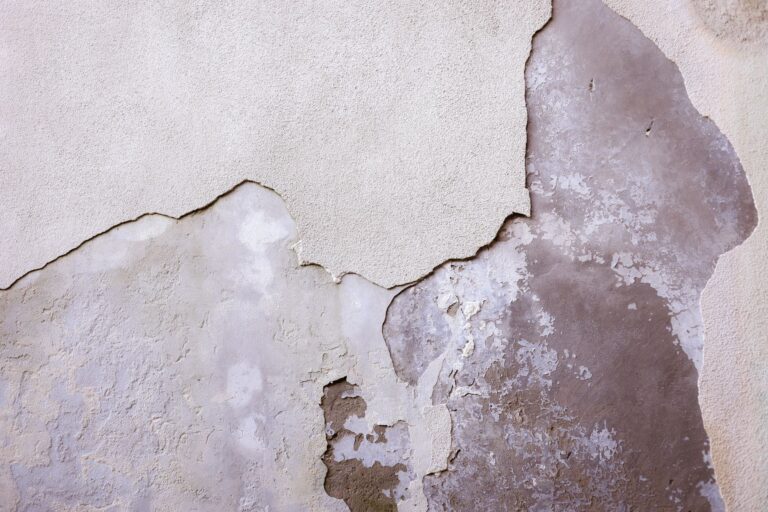
- Scrape everything that is loose. If paint is peeling or flaking, it has to come off. Painting over loose paint is the most common reason a job fails early.
- Sand the edges of scraped areas. Feather the edges so you are not painting over sharp ridges that will crack and peel at the transition.
- Check for rot and repair it before painting. Paint does not protect rotted wood — it just hides it temporarily while the damage continues underneath.
Caulking: Do This Before It Gets Cold
Every gap around windows, doors, trim, and where different materials meet is a spot where water gets in, freezes, expands, and destroys your paint from behind. Use a paintable exterior-grade caulk rated for temperature extremes — standard caulk gets brittle in prairie winters. Apply it before priming. Let it cure fully before you paint over it.
Pay particular attention to the tops of horizontal trim boards and anywhere wood meets a different substrate. These are the spots that fail first.
Primer: Not Optional
Primer seals bare wood, evens out porosity, and gives your topcoat something to bond to. On bare or heavily sanded wood, skip the primer and your topcoat soaks in unevenly, dries faster than it should, and will not last. Use a stain-blocking primer on any areas with tannin-rich wood (cedar, redwood) or visible staining — otherwise those bleed through.
Paint Selection for Prairie Freeze-Thaw Cycles
Not all exterior paints are rated for the same temperature range. In Saskatchewan, you need a product specifically formulated to stay flexible through extreme cold. Look for:
- 100% acrylic latex. It stays flexible as temperatures drop. Oil-based paints become brittle over time in extreme cold and crack at expansion joints.
- Rated for temperatures down to -30C or lower. Some premium lines (Sherwin-Williams Emerald Exterior, Benjamin Moore Aura Exterior) are formulated for this. Read the spec sheet.
- Low-temperature application rating. Some paints can be applied as low as 2C, which gives you a wider working window in spring and fall.
Timing the Job Right
The ideal application temperature range is 10C to 25C with low humidity. In Regina that typically means late May through early September is your window. A few things to avoid:
- Direct sun on hot days. Paint applied in direct sun dries too fast, does not bond properly, and can blister. Follow the shade around the house.
- Rain or dew within 24 hours. Check the forecast. Moisture before the paint has cured will ruin it.
- Late-season pressure. Do not push a paint job into October to save money. The risk of a cold snap or frost ruining the job is not worth it.
Number of Coats
On a properly primed surface, two finish coats is standard. One coat is never enough on exterior wood — the first coat soaks in and seals; the second coat is what you are actually seeing and protecting the surface. On previously painted surfaces in good shape, one coat of a premium product can work, but two coats will always outlast one.
A properly done exterior paint job on a Regina home should last 8 to 12 years before it needs significant attention again. Cut corners on prep and you are looking at 3 to 5 years before it starts failing.
Need a painter in Regina who will do the prep right? See our painting services here.
Related reading from Sinfull Studios
- Powerwashing in Regina After Winter: When to Book and What the Service Actually Covers
- Custom Woodwork vs Store-Bought: When Building It Is Worth It
- General Home Repairs in Regina: The Small Jobs That Prevent Expensive Problems Later
- Build and Handyman Services in Regina
Based in Regina, Saskatchewan. Explore Build and Handyman Services or request a quote from Sinfull Studios.