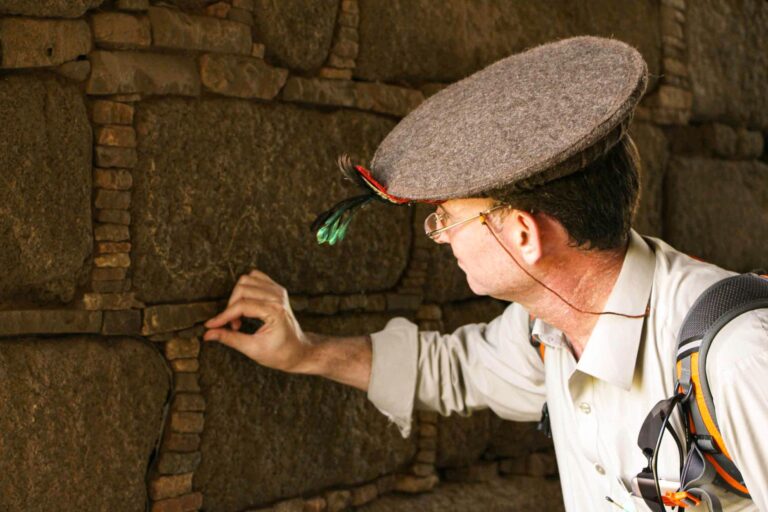
Photogrammetry rebuilds a 3D model from overlapping photographs. For environments and props with natural wear, it can produce a realistic result faster than modelling by hand, though it comes with its own cleanup work.
Capture well
Shoot with consistent, soft light on overcast days or in shade, and keep the object static. Overlap each photo by a large margin and cover every angle, including detail passes for complex surfaces.
Process and clean up
Photo-alignment software builds a dense mesh and texture. The raw result is too heavy for a game, so retopologise or decimate it, bake normals from the high-resolution mesh, and fix holes and noise.
Make it game-ready
- Create clean UVs and an efficient texture layout.
- Bake normal, ambient occlusion and albedo maps.
- Remove baked-in lighting from the albedo so Unreal lights it correctly.
- Generate LODs for distance.
Bring it into Unreal Engine
Import the mesh with its texture sets, build materials, set collision and test under different lighting. Nanite can handle dense meshes for many use cases, though you should still profile performance on target hardware.
Where it fits
Rocks, walls, props with natural wear and organic surfaces are strong candidates. Stylised or heavily modular assets are often better made by hand.
Common mistakes
The most frequent problems are moving objects during capture, shooting in harsh sun that bakes shadows into the texture, and skipping cleanup before import. Each of these shows up as flicker or odd lighting in the engine.
Alternatives worth knowing
Laser or structured-light scanners capture fine detail on small objects, and Gaussian splatting is useful for scene capture and previs. For most game-ready props, photogrammetry on a normal camera is still the most accessible starting point.
Ready to talk it through? Get a free quote, use the contact page, or call Sinfull Studios at 306-807-9848 (907 Queen Street, Regina, by appointment).
Related reading from Sinfull Studios
- Gaussian Splatting on Location: Capturing Accurate Worlds Anywhere on Earth
- Game Economy Design: Balancing Currencies, Sinks, and Faucets
- Photogrammetry and 3D Scanning for Architecture and Construction in Regina
- VFX, Game Dev and Virtual Production in Regina
Based in Regina, Saskatchewan. Explore VFX, Game Dev and Virtual Production or request a quote from Sinfull Studios.
Frequently Asked Questions
What equipment do I need for photogrammetry?
A decent camera or phone, consistent light, and processing software on a computer with a capable GPU.
Do photogrammetry models work in games directly?
Not usually. They need retopology or Nanite use, texture cleanup and lighting removal first.
Is photogrammetry better than modelling by hand?
For realistic, weathered objects it is often faster. For stylised or modular assets, hand modelling usually wins.