A scan sitting on a hard drive helps no one. The value of digital preservation is realized when the data becomes usable: a searchable archive scholars can access from anywhere, a virtual museum the public can walk through, a teaching resource, a foundation for research. Turning scanned heritage into living digital archives and virtual museums is where preservation stops being storage and starts being access.
This is part of our series on digital preservation, and extends our work on interactive history experiences.
Digital archives: preservation you can use
A proper digital archive is more than a folder of models. It is organized, documented, and built to last: consistent formats, rich metadata, provenance, and standards that keep the data usable decades from now. Done right, it lets a researcher anywhere call up an artifact or site, examine it in 3D, measure it, and cite it, without travel and without touching anything fragile.
Virtual museums: opening the collection to the world
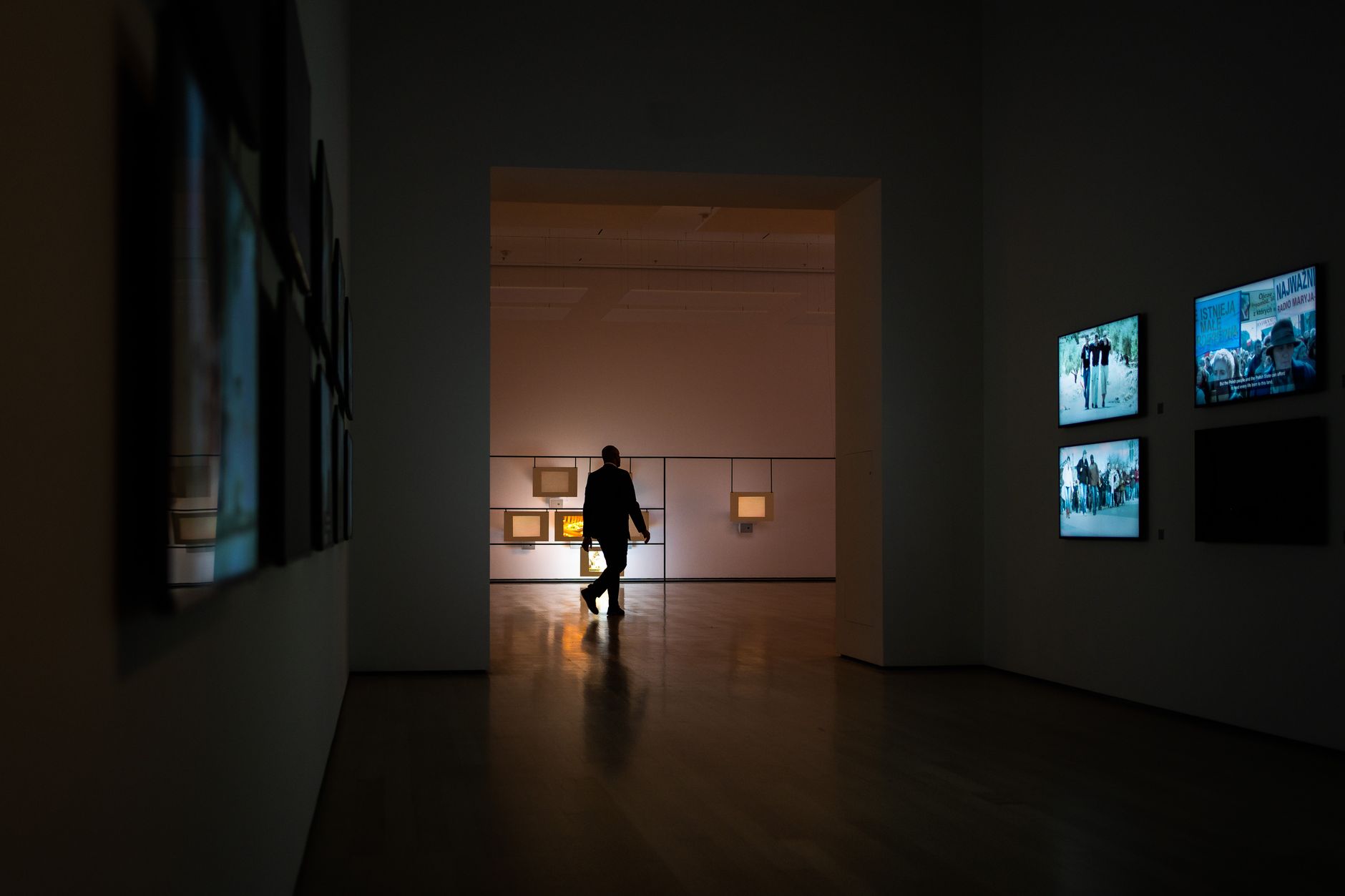
A virtual museum turns the archive outward. Visitors explore artifacts and reconstructed sites online or in VR, at their own pace, from anywhere. It removes the barriers of geography, cost, and physical access, and it lets a museum show things it could never safely put on a plinth, fragile, repatriated, or remote pieces, brought to a global audience. It complements the physical institution rather than replacing it.
Preservation protects the object. Access gives it back to the people.
What you can build from scanned heritage
Research access
Secure, high-fidelity models for scholars to study and measure remotely.
Public virtual tours
Web and VR experiences that let anyone explore a collection or site, paired with our interactive experience design.
Education
Classroom-ready 3D resources that make heritage tangible for students far from any museum.
Reconstruction and replicas
Scans that feed full digital reconstructions or physical 3D-printed replicas for display and accessibility.
Built to outlast the technology
We build archives with longevity in mind, open, documented formats and clear metadata, so the work survives changing software and serves your institution for the long term. And we deliver and help maintain it all remotely.
Ready to turn scanned heritage into an archive or virtual museum? Let’s make your collection accessible.
Frequently Asked Questions
What is a digital archive of heritage?
It is an organized, documented, durable collection of 3D scans with consistent formats, rich metadata, and provenance, built to standards that keep it usable for decades. It lets researchers anywhere examine, measure, and cite artifacts and sites without travel or handling.
What is a virtual museum?
A virtual museum lets the public explore artifacts and reconstructed sites online or in VR, from anywhere and at their own pace. It removes barriers of geography, cost, and access and can display fragile, repatriated, or remote pieces a physical museum cannot safely show.
How do you ensure a digital archive lasts?
By using open, documented formats and clear metadata so the archive survives changing software, and by building it to recognized standards. The goal is a resource that serves an institution for the long term, not files that become unreadable in a few years.