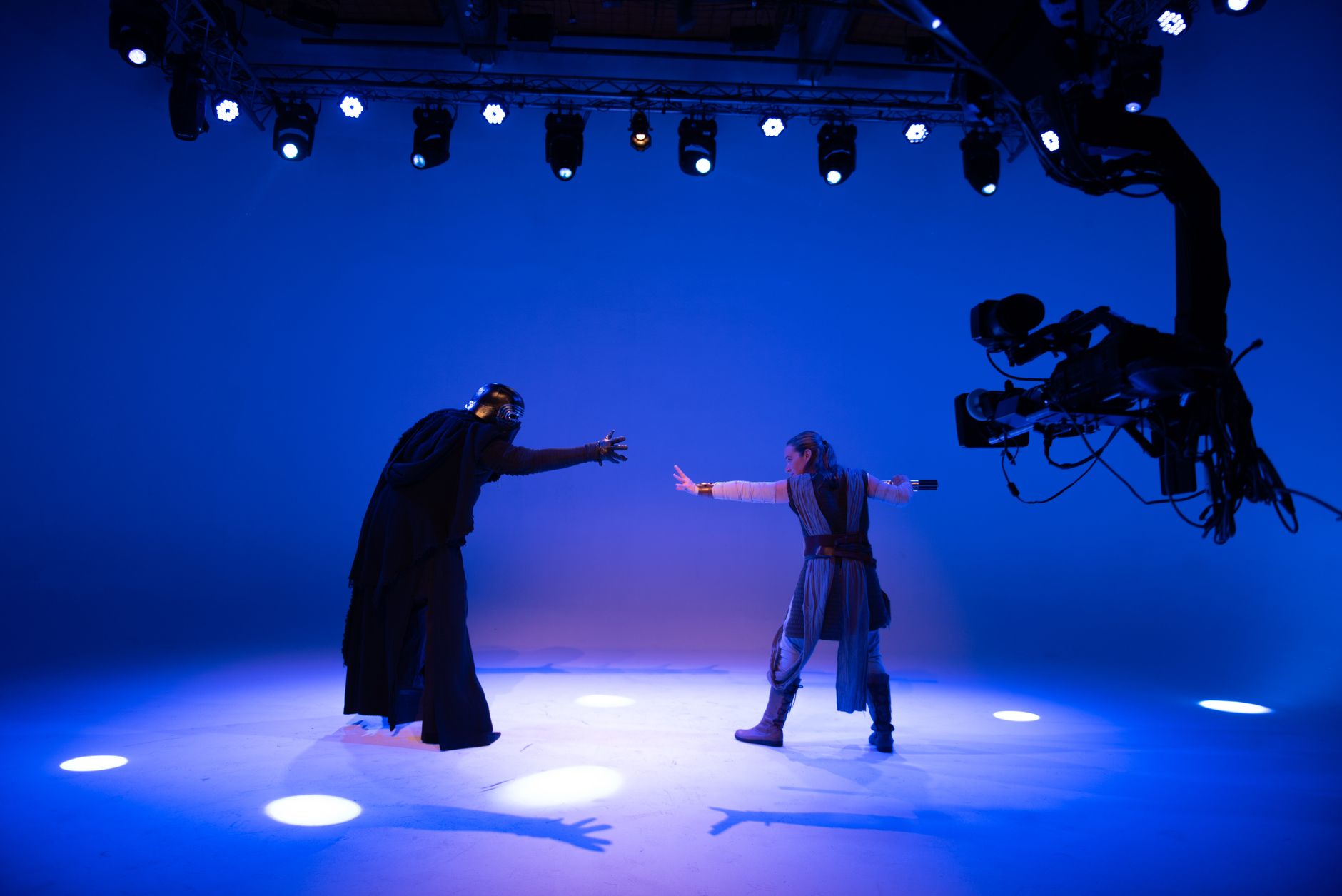
Motion capture used to mean a Hollywood soundstage, dozens of infrared cameras, skin-tight suits covered in markers, and a budget to match. That is no longer the only way. Today, motion capture exists at every price point, from AI tools that read movement from a single video to inertial suits you can use almost anywhere, and the results are good enough for games, film, brands, and indie projects. Here is what is actually possible at each tier, and where the money goes.
This builds on our overview of green screen and motion capture.
Tier 1: AI and video-based (markerless) mocap
The newest and most accessible tier uses AI to extract motion from ordinary video, sometimes a single camera. There are no suits and no markers; you film a performance and software estimates the body’s movement. Quality is improving fast and it is remarkable for the cost. It suits previs, social content, indie games, and stylized characters where absolute precision is less critical.
Tier 2: Inertial (suit-based) mocap
Inertial systems use a suit of small motion sensors rather than cameras, so they work almost anywhere, including outdoors, with no line-of-sight requirement. They deliver clean, reliable body capture at a fraction of the cost of an optical stage, which makes them a workhorse for games and mid-budget production. Hands and fingers can be added with glove systems.
Tier 3: Optical (marker-based) mocap
The Hollywood standard remains the most precise: many synchronized cameras track markers on a suit to millimetre accuracy, ideal for hero film characters and demanding work. It is the most expensive and stage-bound, but nothing beats it for fidelity. Most projects do not need this tier, which is the point, you can match the method to the budget.
Don’t forget face and hands
Body movement is only part of a performance. Facial capture (often from a head-mounted camera or a phone) and finger capture bring a character to life. You can mix tiers, precise face capture with mid-tier body, for example, to spend where it matters most for your story.
You no longer buy motion capture. You buy the amount of motion capture your project actually needs.
What this means for your budget
The practical takeaway: do not assume mocap is out of reach. Tell a studio your character, your delivery format, and your budget, and there is very likely a capture method that fits. We help clients pick the right tier and handle the pipeline that turns the capture into a finished, animated character, see how motion capture animation works.
Want a performance turned into a digital character without a Hollywood budget? Talk to us about your project.
Frequently Asked Questions
How much does motion capture cost now?
It spans every budget. AI/video-based markerless capture is the cheapest and needs no suit; inertial suit systems offer clean body capture affordably; optical marker-based stages are the most precise and most expensive. You can match the method to your budget and quality needs rather than paying for the top tier by default.
Can you do motion capture without a suit or markers?
Yes. AI and video-based markerless systems extract movement from ordinary video, sometimes a single camera, with no suit or markers. Quality is improving rapidly and it suits previs, social content, indie games, and stylized characters.
What is the difference between inertial and optical motion capture?
Inertial mocap uses body-worn sensors, works almost anywhere including outdoors with no cameras or line-of-sight, and is affordable. Optical mocap uses many synchronized cameras tracking markers for millimetre precision, the highest fidelity but the most expensive and stage-bound.