If your AI video workflow was built around Sora, it’s time to rebuild it. OpenAI wound down the consumer Sora app in April 2026, and the Sora 2 API is scheduled to retire in September 2026. If you shipped client work through it, you’re now hunting for a Sora alternative that won’t disappear out from under you. The good news: the professional stack moved on a while ago, and it’s better. This guide covers what to migrate to, why, and how to build a pipeline that never again depends on a single model.
Why Sora went away — and the lesson in it
Sora generated a lot of attention but never settled into a production pipeline the way studios needed. The consumer app closed first, then the API was given a hard sunset date. The takeaway isn’t “AI video is risky.” It’s that betting a deliverable schedule on one vendor’s roadmap is risky. Models get deprecated, repriced, or gated. A studio that built everything around one generator had to scramble; a studio running a multi-tool pipeline barely noticed.
That’s the principle we build on at our AI filmmaking practice: no single model is the pipeline. Each tool is a swappable component chosen per shot.
Where to migrate: the 2026 professional stack
There is no one-to-one replacement for Sora, because the winning approach is no longer “one model.” Here’s the working set we reach for and what each is actually good at:
- Runway (Gen-4 / 4.5) — the control and consistency workhorse. Image and motion references keep a character and a look stable across shots, which is exactly where most generators fall apart. Roughly $0.12/second of generated video. This is where you go when the brief says “the same person, the same wardrobe, ten shots.”
- Kling 3.0 — the value and physical-motion option. Strong, believable body movement and physics at roughly $0.07/second. When you need volume — lots of takes, lots of coverage — Kling stretches the budget furthest.
- Google Veo 3.1 — the all-rounder with native audio. Veo generates synced sound with the picture, which collapses a step for quick turnarounds and social cuts. Reliable general-purpose quality across a wide range of prompts.
- Adobe Firefly Video — commercially indemnified. Adobe trains on licensed content and offers indemnification, which matters enormously for brand and agency work where legal sign-off is non-negotiable. Slower and more conservative, but defensible.
- Luma and Pika — useful for specific looks, fast ideation, and specialty motion. Good supporting players, not anchors.
Audio is its own layer: ElevenLabs for voice, Suno for music. Finishing happens in DaVinci Resolve or Premiere, because color, edit, and sound mix are still human craft.
How to rebuild a pipeline that doesn’t depend on one model
Treat models like lenses. You don’t shoot a whole film on one lens; you pick per shot. A resilient AI pipeline works the same way:
- Lock your assets first. Define characters, wardrobe, and palette as reference images and (where it pays off) trained LoRAs. These live outside any one model, so you can move them between Runway, Kling, and Veo.
- Route shots to the right tool. Character-heavy dialogue and continuity shots go to Runway. High-volume motion and crowd coverage go to Kling. Quick spots that need sound go to Veo. Brand-sensitive deliverables go to Firefly.
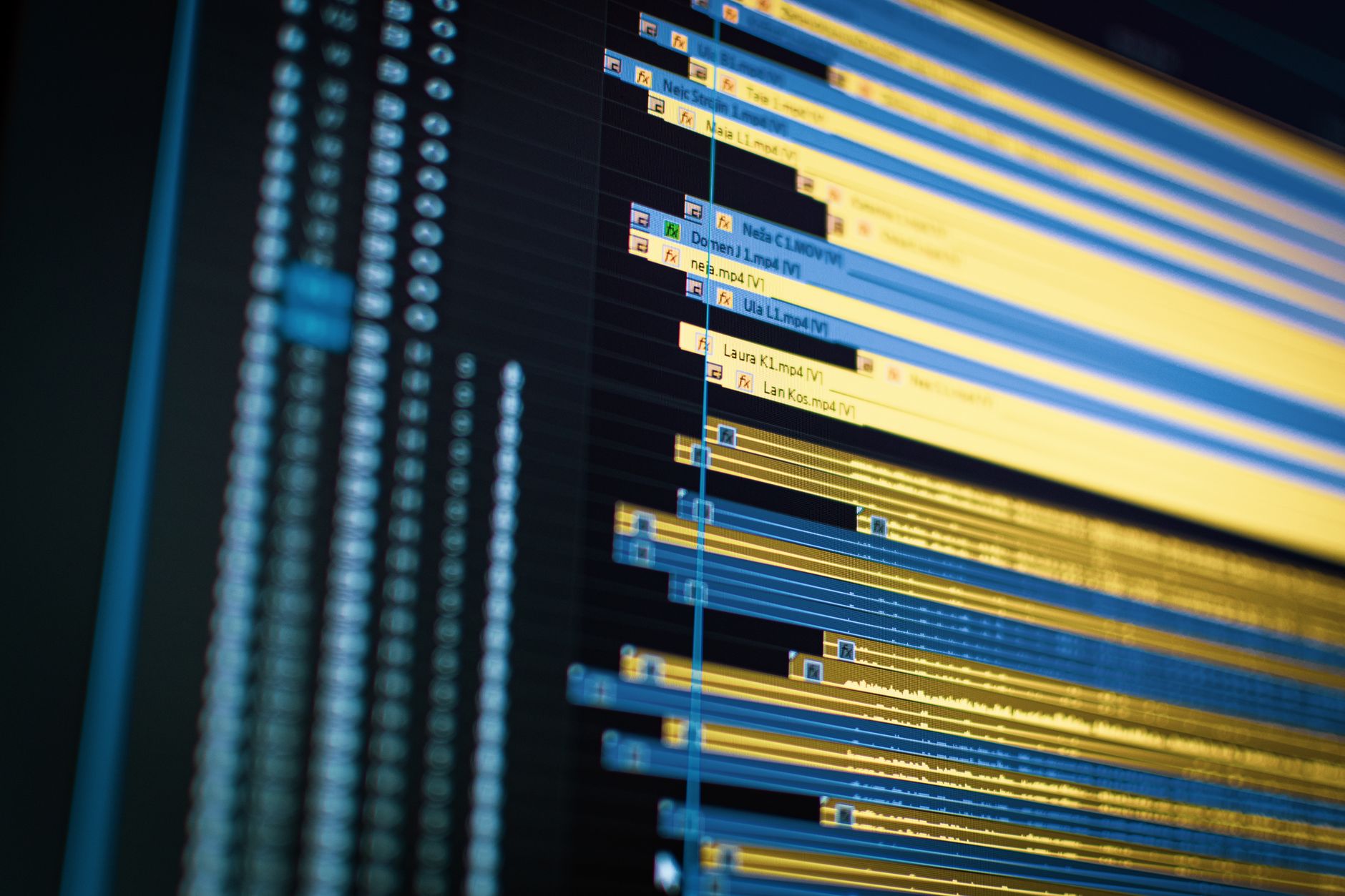
- Standardize the handoff. Everything lands in one editorial project — Resolve or Premiere — at a common resolution, frame rate, and color space. The compositor and colorist don’t care which model made which clip.
- Keep prompts and seeds versioned. When a tool changes or dies, documented inputs let you reproduce a look elsewhere.
This is the same multi-tool discipline described in our 2026 AI production pipeline breakdown. The migration off Sora is really just an excuse to build the pipeline correctly.
Why multi-tool beats single-model — every time
Single-model workflows fail in three predictable ways: the vendor changes the rules, the model is weak at the one thing your shot needs, and you have no fallback when a generation just won’t behave. A hybrid stack fixes all three. You get the best output for each shot, you keep negotiating leverage, and you never face a deadline held hostage by one company’s product decisions. The cost is a little more orchestration — which is precisely the work a real studio does, and the reason the output looks finished instead of generated.
Frequently asked questions
Is Sora still usable in 2026?
Not as a foundation for new work. The consumer app ended in April 2026 and the Sora 2 API is set to retire in September 2026. Anything you build on it now has a short shelf life, so we recommend migrating to a supported stack like Runway, Kling, Veo, and Firefly.
What is the best single Sora alternative?
There isn’t one, and chasing one repeats the mistake. Runway leads on control and character consistency, Kling on value and physical motion, Veo on all-round quality with native audio, and Firefly on commercial indemnification for brands. The best result comes from combining them per shot.
Which tool should brands and agencies use for legal safety?
Adobe Firefly Video is trained on licensed content and offers commercial indemnification, which is why it’s our default for brand-sensitive deliverables that need legal sign-off. Other tools can be used inside the same project for shots where indemnification isn’t required.
How long does it take to migrate off Sora?
For most teams the heavy lift is re-establishing character references and re-routing shots to the right models, not rebuilding from scratch. With assets locked first, a working multi-tool pipeline can usually be stood up in a few days.
Migrating off Sora is a chance to build something more durable than what you had. We run this hybrid stack daily and can help you rebuild a pipeline that survives the next deprecation, not just this one. Get a free quote and tell us what you were making in Sora — we’ll map it to a stack that lasts.