A functional van electrical system for a full build like the 1976 Chevrolet G20 at Sinfull Studios in Regina typically costs between $800 and $4,000 CAD depending on battery chemistry, solar panel wattage, and inverter size. The core components are a house battery bank, a solar array, a DC-DC charger to pull power from the alternator while driving, an inverter for AC loads, and proper fusing and wiring throughout. On the Saskatchewan prairies, cold winters and variable sun hours shape every sizing decision.
What does a van electrical system actually need to do?
The electrical system in a camper van is a small off-grid power plant. It stores energy in a battery bank, replenishes that bank from solar panels and from the vehicle alternator while driving, and delivers 12V DC power to lights, fans, and a fridge, plus 120V AC power through an inverter for laptops, tools, and anything with a standard plug. Every other decision — battery size, solar wattage, wire gauge — flows from a realistic list of what you actually want to run and for how long between charge inputs.
LiFePO4 or AGM: which house battery is right for a van build?
Lithium iron phosphate (LiFePO4) batteries are the better long-term choice for a live-in or frequent-use build. They deliver roughly 80-100% of their rated capacity, last 2,000-4,000 cycles, and weigh about half what AGM batteries weigh for the same usable energy. A 100Ah LiFePO4 gives you about 80-100Ah of usable power. A 100Ah AGM gives you roughly 50Ah before you risk shortening its life. The real-world cost difference narrows fast when you factor in replacement cycles. The one hard limitation of lithium: most batteries have a built-in BMS that shuts off charging below 0 degrees Celsius. In a Saskatchewan winter that matters. Either use a battery with a self-heating function, or make sure your install location stays above freezing, or add a small heater pad. AGM tolerates cold charging better, which is why some van builds in colder climates stick with it as a secondary or starter battery.
How much solar does a van actually need on the prairies?
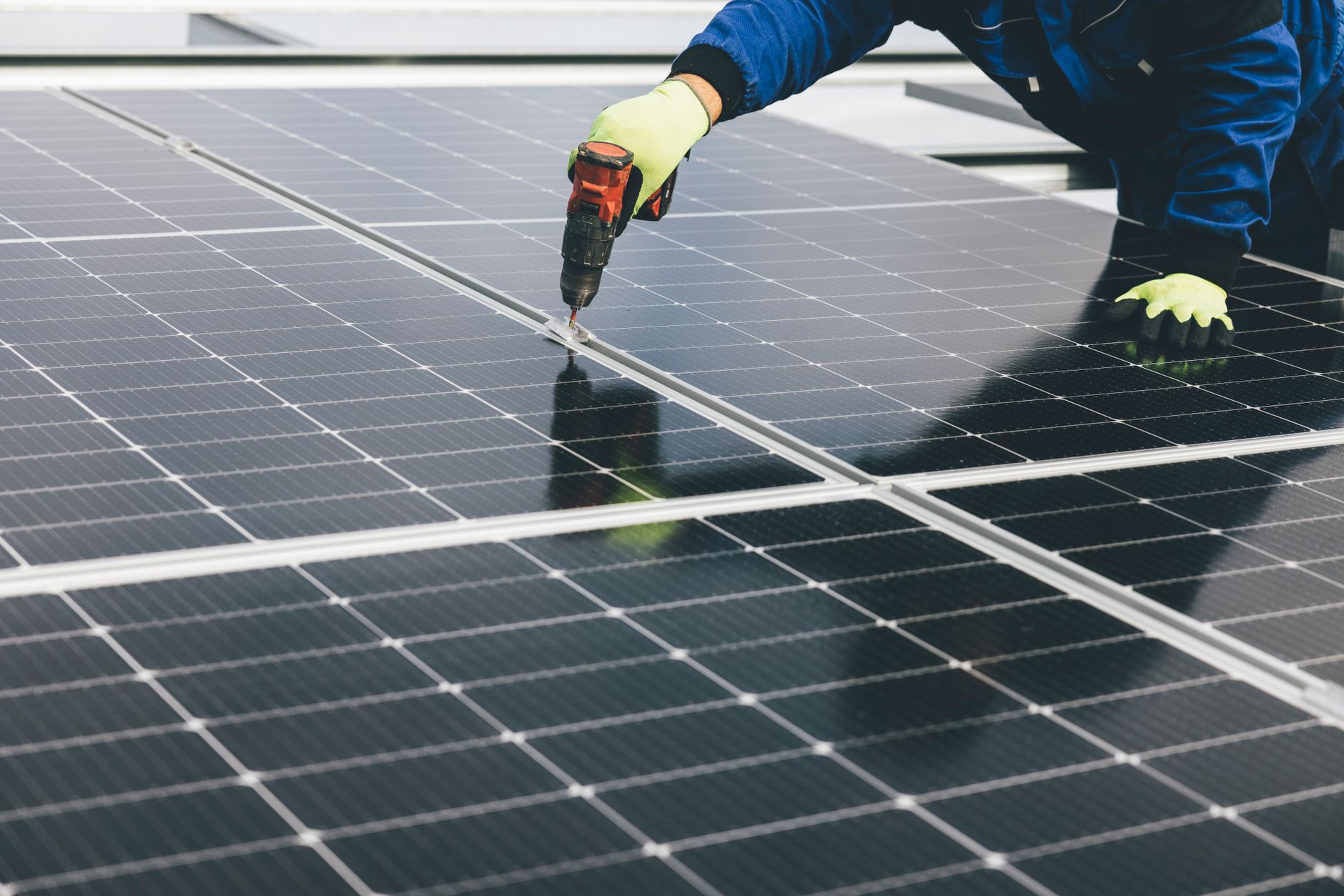
Saskatchewan has surprisingly good solar potential in summer — Regina averages around 4.5 peak sun hours per day from May through August. Winter drops that to 2 hours or less and panels may be snow-covered. A realistic starting point for a single-person van build running a 12V fridge, LED lighting, phone and laptop charging, and a fan is 200-400W of panel. Two 200W rigid panels on a G20’s roof is a practical fit and a common configuration. That setup will produce 400-800Wh on a good summer day — enough to run a compressor fridge all day and charge devices with power to spare. In winter you lean harder on alternator charging, which is why the DC-DC charger matters as much as the solar array.
What is a DC-DC charger and why does it matter more than a direct alternator connection?
A DC-DC charger (also called a battery-to-battery charger or B2B charger) sits between the vehicle’s starter battery and your house battery bank. It takes the alternator output — typically 13.8-14.2V — and converts it into a proper multi-stage charge profile (bulk, absorption, float) optimized for your house battery chemistry. Running a direct connection with just a voltage-sensing relay works, but it delivers unregulated current, can undercharge lithium, and in some vehicles can confuse the alternator’s smart charging system. A quality 30A DC-DC charger like a Renogy or Victron unit costs $150-$350 CAD and typically puts 300-420Wh into your batteries per hour of highway driving. On a long prairie highway run from Regina to Moose Jaw and back, you can fully recharge a 100Ah LiFePO4 bank from near-empty.
What size inverter do you actually need?
An inverter converts 12V DC battery power to 120V AC. The right size depends on your heaviest single load. A 1,000W pure sine wave inverter handles laptops, camera gear, LED monitors, small power tools, and a CPAP machine without issue. A 2,000W unit covers most of the above plus a coffee maker or a mini induction burner briefly. Pure sine wave is worth the price premium over modified sine wave — modified sine can damage sensitive electronics and some motors. Budget $150-$500 CAD for a quality pure sine unit. Do not run an electric space heater, a hair dryer, or a microwave from a van battery bank unless you have a very large lithium bank and are simultaneously plugged into shore power or running the engine. Those loads will drain a 100Ah bank in minutes.
How do you wire it safely and what fusing is required?
Every positive wire in a 12V system needs a fuse or breaker as close to the power source as physically possible. This is not optional — an unfused wire is a fire risk, and van fires kill people. Use marine-grade tinned copper wire, not cheap automotive wire, especially in any run that goes near moisture or through a metal grommet. Size your wire to the load and the run length using an ampacity chart. Common fusing points in a van build:
- Main fuse between battery and bus bar (sized to battery BMS rating, often 100-200A)
- Solar charge controller input fuse (sized to panel short-circuit current)
- DC-DC charger inline fuse on both vehicle battery and house battery sides
- Inverter cable fuse within 18 inches of the battery (often 150-300A ANL fuse)
- Individual branch circuit fuses on each 12V circuit at the fuse block
A decent fuse block, bus bars, terminals, heat shrink, and quality connectors will run $100-$250 CAD and are not places to cut corners.
What can you realistically run off a 200Ah LiFePO4 system?
A 200Ah LiFePO4 bank gives you roughly 160-180Ah of usable capacity before the BMS begins to throttle output. Real-world daily loads for a solo van build typically look like: 40-60Ah for a 12V compressor fridge running 24 hours, 5-10Ah for LED lighting, 10-20Ah for laptop and phone charging, 5Ah for a diesel heater’s control board and fan, and occasional inverter use for a camera battery charger or a brief tool use. Total: roughly 60-100Ah per day. That means a 200Ah bank gives you 1.5-2.5 days of full autonomy with no solar and no driving — more than enough buffer in summer on the prairies with 400W of panels feeding the system.
What does a van electrical system realistically cost in Canada?
Here are three honest cost tiers for a Canadian van electrical build in 2025-2026:
- Entry tier ($800-$1,400 CAD): 100Ah AGM or budget LiFePO4, 200W panel, basic PWM charge controller, voltage-sensing relay, 1,000W inverter, basic fuse block. Works for weekend use.
- Mid tier ($1,800-$2,800 CAD): 200Ah quality LiFePO4 (Renogy, Ampere Time, or Battle Born), 400W panel, MPPT charge controller, 30A DC-DC charger, 1,500-2,000W pure sine inverter, proper bus bars and marine wiring. This is the right spec for regular or full-time van life.
- Full build tier ($3,000-$5,000+ CAD): 300Ah+ lithium with self-heating, 600W panel, Victron MPPT and Cerbo GX monitoring, Victron Multiplus inverter-charger, alternator protection, shore power inlet. Overkill for most builds but solid for four-season full-time use.
Labour to install a mid-tier system yourself is zero if you are patient and methodical. Paying a shop to do it in Regina adds $500-$1,500 depending on complexity. The G20 build at Sinfull Studios sits in the mid tier — practical, documented, and scaled to actual use rather than spec-sheet bragging.
Explore the 1976 Chevrolet G20 build at Sinfull Studios for more.
Related reading from Sinfull Studios
- The Prairie Van-Life Toolkit That Actually Earns Its Space
- Van Life With a Dog — Practical Setup for Traveling With a Pet in a Converted Van
- Converting a Full-Size Van: The Order of Operations That Actually Makes Sense
- Van Life in Regina
Based in Regina, Saskatchewan. Explore Van Life or request a quote from Sinfull Studios.
Frequently Asked Questions
How much does a van electrical system cost in Canada?
A van electrical system in Canada typically costs between $800 and $4,000 CAD depending on battery chemistry and component quality. An entry-level build with 100Ah AGM and 200W solar runs $800-$1,400, a mid-tier build with 200Ah LiFePO4, 400W solar, and a DC-DC charger runs $1,800-$2,800, and a full four-season build with Victron components can exceed $5,000.
Can you charge LiFePO4 batteries in a Saskatchewan winter?
Most LiFePO4 batteries have a built-in BMS that prevents charging below 0 degrees Celsius to avoid cell damage. In Saskatchewan winters this is a real concern. The solutions are: choose a battery with a built-in self-heating function, ensure the battery install location stays above freezing, or add a low-wattage heater pad. AGM batteries tolerate cold charging better and are sometimes used as a secondary battery in cold-climate builds for this reason.
How much solar do you need for a van build in Saskatchewan?
A single-person van build running a 12V fridge, LED lighting, and device charging typically needs 200-400 watts of solar panel. Regina and the Saskatchewan prairies average around 4.5 peak sun hours per day in summer, making 400W of panel sufficient for daily energy needs in warm months. Winter sun hours drop to 2 or fewer, so a DC-DC charger pulling power from the alternator while driving becomes the primary charge source from November through March.