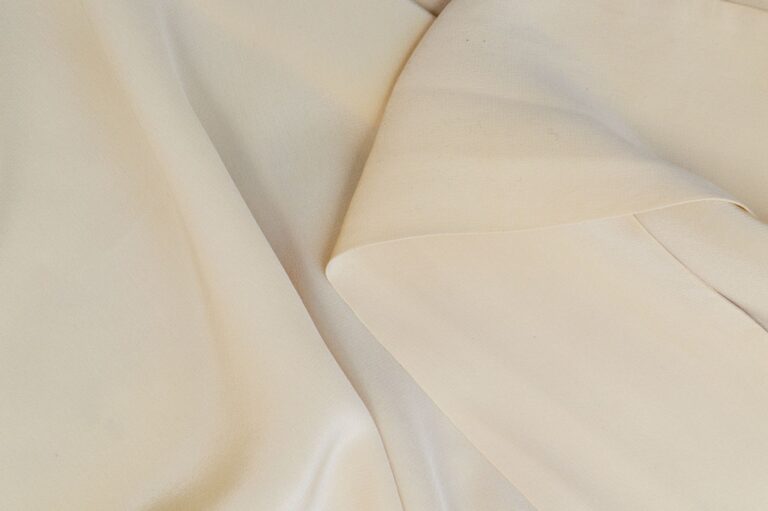

The Actual Difference Between Silk and Cotton at the Surface Level
Most of the noise around silk pillowcases is either luxury marketing or skin-care-influencer overreach. The real story is simpler and more useful than either version. Silk and cotton behave differently against skin and hair because of their surface texture and moisture behavior — and once you understand those two things, the rest of the conversation makes sense.
Cotton is a cellulose fiber. It is absorbent by nature. That is useful for towels and not especially useful for a pillowcase if you are trying to keep moisture in your skin or hair overnight. Cotton also has a slightly rougher fiber surface at the microscopic level, which creates more friction against hair strands. For people with fine, chemically treated, or naturally dry hair, that friction adds up over hundreds of nights of sleep movement.
Silk is a protein fiber with a smoother surface structure. It does not absorb moisture the same way cotton does, which means it is not pulling hydration out of your skin or stripping the natural oils from your hair as you move through the night. The friction reduction is real — it is not dramatic, but it is consistent and cumulative.
Thread Count, Momme Weight, and What Numbers Actually Matter
Thread count is a cotton metric. On silk products, the relevant measure is momme weight — which refers to the weight of the fabric per set dimensions. A 19mm silk is a mid-range functional product. A 22mm to 25mm silk is heavier, more durable, and has better drape. Anything marketed as silk below 16mm is thin enough that you are likely getting a compromise product.
Charmeuse is the most common weave for silk pillowcases. It has a satin-side finish that gives you the smooth surface you are actually buying it for. Satin weave in polyester mimics this surface texture at a lower price point — more on that in a moment.
For cotton, a higher thread count does reduce surface roughness to a degree, but a 400-thread-count cotton percale is still more absorbent and higher-friction than a mid-grade silk or quality satin. The fiber type matters more than the thread count in this comparison.
Temperature and Care — The Part Most Reviews Skip
Silk does not like heat. Wash it in cool or lukewarm water. Hot water weakens the protein fiber and degrades the surface over time. Machine washing on a delicate cycle in a mesh bag is acceptable for most charmeuse silk. Hand washing in cool water with a gentle detergent is better. Do not wring it. Do not put it in a hot dryer. Lay flat or hang to dry away from direct sun.
Silk also does not respond well to high-alkaline detergents. Standard laundry detergent is often too harsh. Use something formulated for delicates or specifically for silk — the pH matters and will affect how long the fabric holds up.
In terms of temperature regulation during sleep, silk is moderately breathable but not as breathable as a good cotton percale. If you run hot at night, a high-quality cotton or linen may actually serve you better for comfort, even if it has higher friction. Silk excels in moderate sleeping temperatures.
Is the Price Difference Worth It — and What About Satin
A quality silk pillowcase in the 19mm to 22mm range runs between 50 and 100 dollars for a standard size. That is a real cost difference from a cotton pillowcase. Whether it is justified depends on what you are working with.
If you have color-treated hair, processed hair, or hair that is prone to breakage, the friction reduction over a year of nightly use is a legitimate argument for the investment. If you use expensive serums or moisturizers before bed, not having the pillowcase absorb a significant portion of that product overnight is also a functional benefit worth pricing in.
If neither of those things applies to you, a quality polyester satin pillowcase in the 20 to 30 dollar range gets you most of the surface smoothness benefit at a fraction of the cost. It will not have the same breathability or the same protein-fiber hair compatibility, but for the friction and moisture retention function, it is a reasonable alternative. Do not dismiss it just because it is synthetic.
The honest answer is this: silk pillowcases do something real. They do not do magic. If your hair care routine and skincare routine are solid, a silk pillowcase is a useful supporting piece. If those foundations are not in place, no pillowcase is going to make a meaningful difference.
Bottom Line
- Silk reduces friction against hair and skin — this is real and cumulative
- Silk does not absorb moisture the way cotton does — relevant for hair oils and skincare products
- Buy 19mm momme weight or higher — below that, you are paying for a thin product
- Wash in cool water with a gentle detergent — heat is the main thing that degrades silk
- Quality polyester satin is a legitimate lower-cost alternative for the friction benefit
- Cotton is still better for hot sleepers who prioritize breathability over friction
Explore the Sinfull Desires boutique at Sinfull Studios for more.
Related reading from Sinfull Studios
- Your First Adult Boutique Order Without the Overwhelm
- What Makes a Boudoir Session Worth It: An Honest Guide for First-Timers
- How to Shop Lingerie Online With Confidence in Regina
- Sinfull Desires in Regina
Based in Regina, Saskatchewan. Explore Sinfull Desires or request a quote from Sinfull Studios.