Does Fabric Affect Sizing and Fit?
Does Fabric Affect Sizing and Fit?
Yes — significantly. Stretch fabrics like mesh, microfiber, and jersey are more forgiving across a size range and tend to accommodate body variation well. Woven fabrics like satin have very little give, so sizing accuracy matters more. When buying satin lingerie online, measure carefully and consult the brand’s size chart rather than relying on your usual size from a different brand or fabric type.
Lace with a high nylon or spandex content behaves more like a knit — it stretches and recovers — while rigid floral or guipure lace has almost no give and is typically used as a decorative overlay on a stretchy base. Reading the fabric content listed on the product page tells you a lot about how the garment will actually feel and fit.
What Should I Look for When Buying Lingerie as a Gift?
What Should I Look for When Buying Lingerie as a Gift?
Gifting lingerie successfully comes down to fabric and sizing awareness. Stretch fabrics — mesh bodysuits, microfiber sets, adjustable bralettes — are more size-flexible and easier to get right. Satin or rigid-lace pieces in a specific bra size require more precision. When in doubt, choose something with adjustable straps and a stretchy waistband, or opt for a gift card so the recipient can select their own fit and style.
Fabric comfort is personal. Some people love the cool smoothness of satin; others find it slippery and prefer the gentle texture of lace or the softness of microfiber. If you know the person’s preferences, use those as your guide. If you are unsure, a soft, stretch-lace or microfiber set is a safe and thoughtful starting point.
Explore Sinfull Desires for a calm, private shopping experience with discreet Canada-wide shipping.
Related reading from Sinfull Studios
- How to Choose a Personal Massager: A Beginner’s Buyer Guide
- Body-Safe Materials in Adult Products: What to Look For
- Lubricant 101: Water-Based vs Silicone vs Oil-Based
- Sinfull Desires — shop the boutique
Shop calmly and privately at Sinfull Desires — discreet, Canada-wide shipping.
Frequently Asked Questions
What is the most comfortable lingerie fabric for everyday wear?
Microfiber and soft cotton blends are the most comfortable options for daily wear. Microfiber is smooth, moisture-wicking, and nearly invisible under clothing, while cotton breathes well and is easy to launder. Both hold their shape over repeated washes and are gentle on sensitive skin.
Can I put my lingerie in the washing machine?
Many lingerie pieces can be machine-washed on a delicate cycle in cold water inside a mesh laundry bag. However, underwire bras, delicate lace, and satin pieces do best with hand-washing in cool water with a gentle detergent. Always air-dry lingerie — the dryer degrades elastic and can warp underwire channels over time.
Is satin lingerie actually silk?
Not usually. Satin refers to a weave structure that creates a smooth, lustrous surface — it can be made from silk, polyester, nylon, or acetate. Most satin lingerie sold today uses polyester satin, which is durable, machine-washable, and more affordable. True silk satin is breathable and temperature-regulating but requires hand-washing and careful handling.
Choosing the right lingerie starts with understanding the fabric — because the material affects everything from how a piece fits and breathes to how confident you feel wearing it. At Sinfull Desires, the lingerie selection includes a range of fabrics suited to different bodies, budgets, and occasions, all shipped discreetly across Canada so you can shop with confidence from home.
What Makes Lace Such a Popular Lingerie Fabric?
Lace has been a lingerie staple for generations, and for good reason. It is a decorative fabric constructed from looped, twisted, or knitted threads — traditionally cotton or silk, and today more commonly nylon or polyester blends. The open weave creates a delicate, patterned appearance that many people associate with dressier or more intimate occasions.
Lace is typically used as an overlay or trim rather than the primary structure of a garment, since it offers little stretch on its own. When shopping, look for lace panels backed with a soft lining — this adds comfort and prevents scratching. All-lace pieces without a lining can feel rough against sensitive skin, so try before you commit if possible, or check return policies when buying online.
Is Satin Actually Silk? Understanding Satin vs. Silk Lingerie
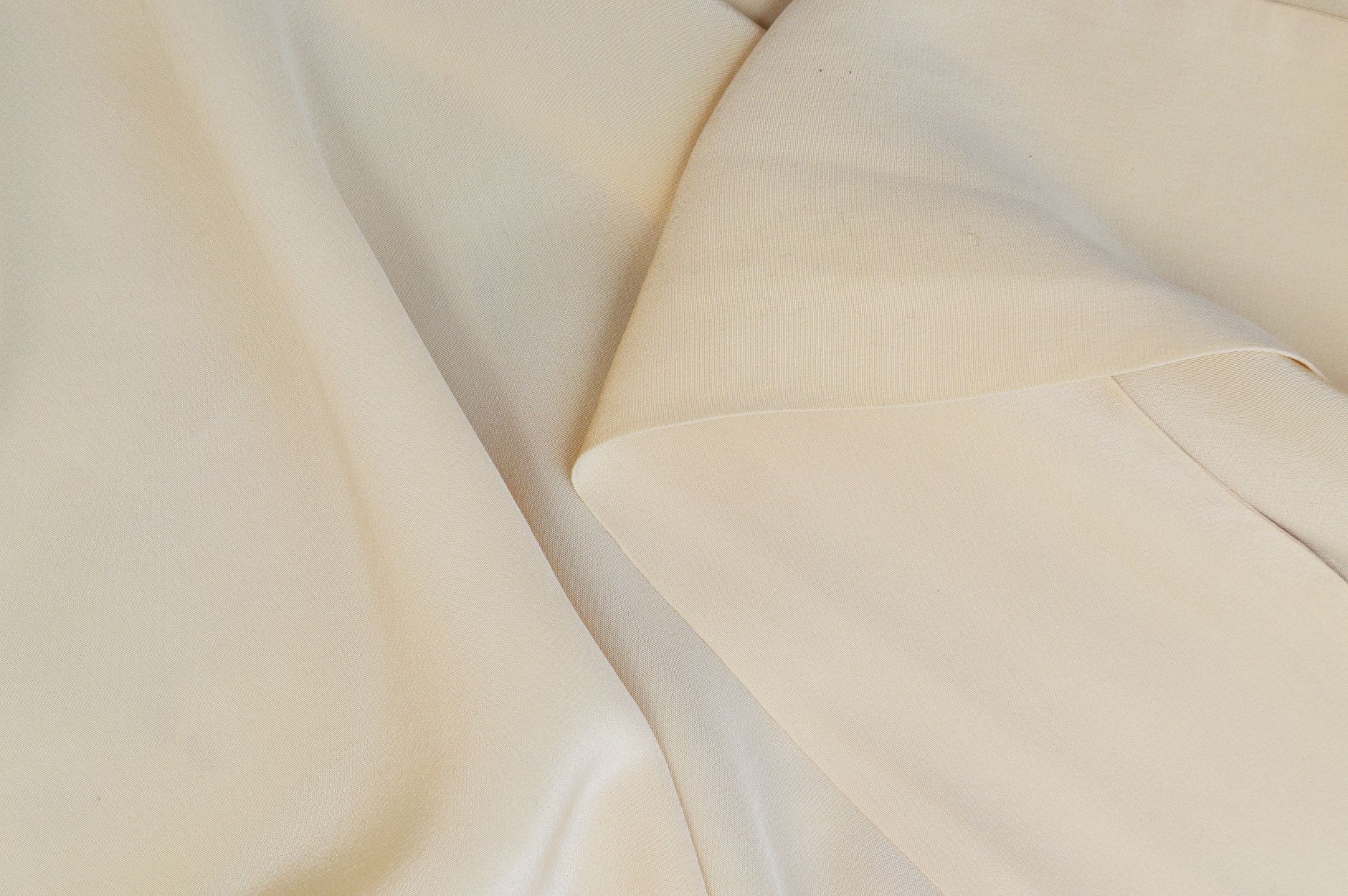
Satin refers to a weave structure, not a specific fiber. The classic satin weave creates a smooth, lustrous front surface with a duller back — and it can be made from silk, polyester, nylon, or acetate. Most satin lingerie on the market today uses polyester satin, which is more durable, machine-washable, and significantly more affordable than silk.
True silk satin is breathable and temperature-regulating, but it requires hand-washing and careful storage. Polyester satin has a similar drape and sheen but traps more heat. If breathability matters to you, check the fabric content label. For a special-occasion piece you will wear briefly and hang with care, silk satin is a luxurious choice. For something you plan to wear regularly, polyester satin offers similar aesthetics with far easier upkeep.
What Is Mesh Lingerie and Who Is It Best For?
Mesh is a sheer, open-knit fabric — lightweight, breathable, and stretchy. In lingerie, it is used for everything from barely-there bodysuits to layering pieces that add visual interest without bulk. The stretch in most mesh fabrics means it conforms to the body rather than compressing it, making it a flattering option across a wide range of body types.
Because mesh is sheer, layering matters. Many mesh pieces are designed to be worn over other garments or with opaque lining in key areas. If you are looking for a piece to wear alone, check whether the listing specifies lined or unlined construction. Mesh is also one of the easiest lingerie fabrics to care for — most pieces are hand-wash or delicate-cycle safe.
What Is Microfiber and Why Do People Wear It Every Day?
Microfiber is an ultra-fine synthetic fabric — typically polyester or nylon — with a dense, smooth weave that feels almost like a second skin. It wicks moisture, dries quickly, and has very little bulk, which makes it ideal under fitted clothing. If lace and satin feel like occasion wear, microfiber is the everyday workhorse of the lingerie drawer.
Microfiber garments tend to hold their shape well and resist pilling over time. The trade-off is that very dense microfiber can trap heat, so some people prefer it in cooler months. Blends that incorporate spandex or elastane add stretch and improve fit across a wider range of sizes.
How Do I Choose Between Fabrics for Everyday Wear vs. Special Occasions?
A simple rule of thumb: comfort-first fabrics for daily wear, aesthetic-first fabrics for special occasions — with plenty of overlap in between.
- Everyday: Microfiber, cotton blends, and soft jersey are breathable, easy to launder, and designed for repeated wear. Look for flat or rolled seams that won’t show under clothing.
- Occasion: Satin, lace, and mesh shine when comfort for a full workday is not the priority. These fabrics reward care and attention — hand-washing and air-drying extend their life considerably.
- Transitional: Many modern pieces combine fabrics — a microfiber base with lace trim, or a mesh panel on a satin bralette — so you can have both comfort and visual appeal in one garment.
What Is the Right Way to Wash Lingerie Without Ruining It?
Most delicate lingerie benefits from hand-washing in cool water with a gentle detergent. If you use a washing machine, a mesh laundry bag on the delicate cycle with cold water will protect underwire bras, lace, and mesh from snagging or distorting. Avoid the dryer entirely for most lingerie — heat degrades elastic, warps underwire channels, and weakens delicate fabrics over time. Lay pieces flat or hang them to air-dry away from direct sunlight.
Underwire bras should never be machine-dried. The heat softens the casing around the wire, allowing it to shift and eventually poke through. Storing bras stacked cup-in-cup — rather than folded in half — keeps the cups in shape longer.
Does Fabric Affect Sizing and Fit?
Does Fabric Affect Sizing and Fit?
Yes — significantly. Stretch fabrics like mesh, microfiber, and jersey are more forgiving across a size range and tend to accommodate body variation well. Woven fabrics like satin have very little give, so sizing accuracy matters more. When buying satin lingerie online, measure carefully and consult the brand’s size chart rather than relying on your usual size from a different brand or fabric type.
Lace with a high nylon or spandex content behaves more like a knit — it stretches and recovers — while rigid floral or guipure lace has almost no give and is typically used as a decorative overlay on a stretchy base. Reading the fabric content listed on the product page tells you a lot about how the garment will actually feel and fit.
What Should I Look for When Buying Lingerie as a Gift?
What Should I Look for When Buying Lingerie as a Gift?
Gifting lingerie successfully comes down to fabric and sizing awareness. Stretch fabrics — mesh bodysuits, microfiber sets, adjustable bralettes — are more size-flexible and easier to get right. Satin or rigid-lace pieces in a specific bra size require more precision. When in doubt, choose something with adjustable straps and a stretchy waistband, or opt for a gift card so the recipient can select their own fit and style.
Fabric comfort is personal. Some people love the cool smoothness of satin; others find it slippery and prefer the gentle texture of lace or the softness of microfiber. If you know the person’s preferences, use those as your guide. If you are unsure, a soft, stretch-lace or microfiber set is a safe and thoughtful starting point.
Explore Sinfull Desires for a calm, private shopping experience with discreet Canada-wide shipping.
Related reading from Sinfull Studios
- How to Choose a Personal Massager: A Beginner’s Buyer Guide
- Body-Safe Materials in Adult Products: What to Look For
- Lubricant 101: Water-Based vs Silicone vs Oil-Based
- Sinfull Desires — shop the boutique
Shop calmly and privately at Sinfull Desires — discreet, Canada-wide shipping.
Frequently Asked Questions
What is the most comfortable lingerie fabric for everyday wear?
Microfiber and soft cotton blends are the most comfortable options for daily wear. Microfiber is smooth, moisture-wicking, and nearly invisible under clothing, while cotton breathes well and is easy to launder. Both hold their shape over repeated washes and are gentle on sensitive skin.
Can I put my lingerie in the washing machine?
Many lingerie pieces can be machine-washed on a delicate cycle in cold water inside a mesh laundry bag. However, underwire bras, delicate lace, and satin pieces do best with hand-washing in cool water with a gentle detergent. Always air-dry lingerie — the dryer degrades elastic and can warp underwire channels over time.
Is satin lingerie actually silk?
Not usually. Satin refers to a weave structure that creates a smooth, lustrous surface — it can be made from silk, polyester, nylon, or acetate. Most satin lingerie sold today uses polyester satin, which is durable, machine-washable, and more affordable. True silk satin is breathable and temperature-regulating but requires hand-washing and careful handling.