What Saskatchewan Van Life Actually Teaches You About Gear
YouTube van life content is full of aesthetic builds, warm climates, and gear hauls that look great on camera. Saskatchewan is not that. When it is -40 degrees outside and your build is being tested by a prairie winter, you find out fast what gear earns its keep and what was a waste of money from day one. This is a breakdown based on real use — not affiliate links, not sponsored enthusiasm.
Gear That Actually Earns Its Place
A diesel heater is not optional in this climate — it is the foundation of a livable build. A quality unit from a reputable brand (or a well-sourced clone with proper fuel line and glow plug maintenance) will run all night on minimal fuel and keep your van at a comfortable sleeping temperature even in deep cold. The difference between a working diesel heater and no heat is the difference between a livable vehicle and a dangerous situation. Do not cut corners here.
A quality roof fan — specifically a Maxxair or equivalent with a rain sensor and reverse function — handles ventilation, condensation control, and summer cooling. Condensation is a serious problem in a small insulated space. Without active ventilation, moisture builds up overnight and destroys your insulation and walls over time. The fan runs on minimal power and solves multiple problems at once. It is one of the highest-value items in any build.
Cast iron cookware sounds like a joke until you are cooking on a single-burner propane setup and realize how much heat retention matters. A cast iron skillet and a small Dutch oven cover nearly every cooking scenario, they do not require special cleaning products, and they last indefinitely. Lightweight camping cookware scratches, warps, and loses its coating. Cast iron just works.
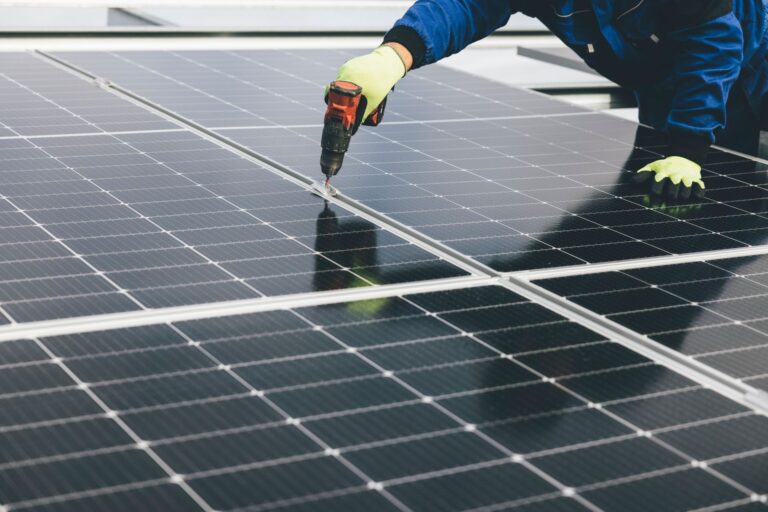
For solar, the essentials are simple: a proper charge controller (MPPT, not PWM), adequate battery capacity (lithium if the budget allows), and correctly sized panels for your actual usage. Do not undersize and plan to upgrade later — the cost of doing it twice is higher than doing it right the first time. Know your daily watt-hour consumption before you buy anything.
Gear That Sounds Good and Fails in Practice
Cheap 12V appliances — coffee makers, mini fridges, blenders — are almost universally disappointing. The power draw is high, the build quality is low, and most of them fail within a season. A 12V coffee maker that draws 20 amps for 10 minutes is a real cost on a small battery bank. A propane option or a simple pour-over setup does the job better and costs less to run. Research actual amp draw before buying any 12V appliance and compare it against what your system can realistically deliver.
Under-insulated window covers are a constant disappointment. Reflectix alone is not insulation — it is a radiant barrier, and it needs an air gap to work. Thin single-layer window covers do almost nothing against -30 degree nights. Properly cut foam board covered in fabric, with a snug fit to the window frame, is a different product entirely. The difference in interior temperature overnight is significant and measurable.
Tiny water tanks are consistently underestimated. A 10-litre tank sounds fine until you factor in drinking, cooking, hand washing, and the reality that in winter you may not want to leave the van to refill. A larger tank — or a secondary overflow tank — removes a daily logistical problem. Water management in a cold climate is harder than in a van life video set in California. Plan for actual volume.
The Practical Rule
Gear that solves a real, recurring problem in your specific climate earns its place. Gear that solves a problem you saw on a YouTube build in Arizona probably does not. Saskatchewan van life is a legitimate test of a build — if it works here through a full winter, it works anywhere. Buy for the worst conditions you will actually face, not the best ones you hope for.
Explore the Van Life and the G20 build at Sinfull Studios for more.
Related reading from Sinfull Studios
- Cooking in a Van: A Realistic Galley Setup for Prairie Road Trips
- Van Life in a Saskatchewan Winter: What I Got Wrong the First Time
- Short Saskatchewan Weekend Routes From Regina That Still Feel Like A Real Escape
- Van Life in Regina
Based in Regina, Saskatchewan. Explore Van Life or request a quote from Sinfull Studios.