Nobody is coming to your stream on day one. That is not a pessimistic take — it is just how Twitch works, and the sooner you accept it, the better decisions you will make early on.
I am SinfullSlinn. I stream Minecraft, Project Zomboid, and Fortnite creative maps from Regina, Saskatchewan. I run Sinfull Studios — a multi-sector operation that covers game development, content creation, van life, and more. I am not a top-100 streamer. I am a working creator who has been in the trenches of small-channel growth, and this is what I actually know.
The Reality of Zero Viewers
Your first streams will have zero viewers. Your tenth streams might too. This is not a sign that you are doing it wrong — it is just the math of a platform with millions of channels competing for attention. Twitch does not surface new streamers the way YouTube does with suggested videos. There is no algorithm quietly pushing your content to strangers. If people are going to find you, you have to create the path yourself.
This is actually useful information, because it means all the energy you might spend optimizing your stream for an audience you do not have yet is largely wasted. You do not need a perfect stream setup before you start. You need to start.
What YouTube Tutorials Get Wrong
Search “how to grow on Twitch” and you will find hours of content about overlays, alert animations, stream schedules posted to Twitter, and the importance of a brand aesthetic. Some of that is real advice — but almost none of it is relevant at zero viewers.
Overlays and alerts are for your audience. If you do not have one yet, they are just decoration. A flashy subscriber alert means nothing when nobody is subscribing. Spending 10 hours designing a stream overlay before your first broadcast is a way to feel productive without actually doing the hard thing, which is streaming and building the habit of being on camera consistently.
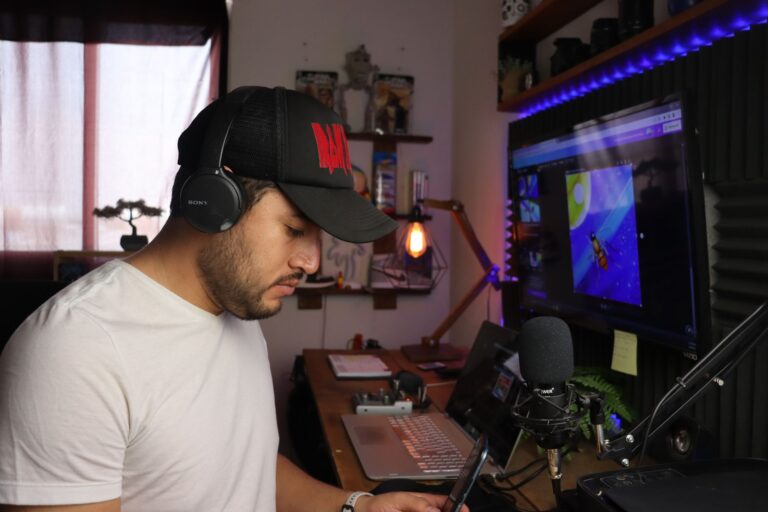
A basic webcam, a decent microphone, and a stable internet connection are enough to start. Upgrade when the stream actually demands it — not before.
Game Selection Matters More Than People Admit
If you stream Fortnite or Warzone right now, you are competing with thousands of other streamers in an extremely crowded category. The odds of a new viewer stumbling onto your channel through the browse page are very low. The top five streamers in that category absorb almost all the discovery traffic.
Niche games change this completely. When I stream Project Zomboid, the browse category is smaller. There are fewer channels. A viewer scrolling through has a much better chance of landing on my stream. Smaller games with dedicated communities — survival games, early access titles, indie games with active subreddits — give new streamers a real shot at organic discovery.
This does not mean you have to stop playing what you enjoy. It means being smart about which games you prioritize when you actually want to grow. Play the big games for fun. Play the niche games when you want discoverability.
Consistency Beats Production Quality Every Time
The streamers who grow are the ones who show up. Not the ones with the best gear — the ones who are there, regularly, in a predictable way that lets a small audience build a habit around watching them.
If you stream three times a week for six months, you will know more about what works for your channel than any tutorial can teach you. You will know which games your viewers respond to, what time slots work for your audience, what your natural on-camera personality actually is. None of that knowledge is available to you before you have put in the hours.
Two solid streams per week beats seven inconsistent ones. Pick a schedule you can actually hold, and hold it.
Talk — Even When Nobody Is There
This is the thing that feels the most uncomfortable and is also the most important. Stream like someone is watching. Talk through what you are doing in the game, share your thoughts, react out loud. When a new viewer drops in for 30 seconds to decide if they want to stay, they want to see an active, engaged person — not someone sitting in silence waiting for the chat to start.
It feels strange at first. You are talking to an empty room. Do it anyway. The habit of being vocal and engaged is one of the hardest to build and one of the most valuable to have.
How I Approach It
I rotate between games based on what I am actually building or playing. When I am working on a Fortnite creative map, I stream the build process — that crossover between game dev and content is specific enough to attract people who are interested in both. When I play Minecraft or Project Zomboid, I treat the stream as documentation of a playthrough rather than a performance.
Sinfull Studios is a multi-sector project. The stream is one piece of it. That framing helps — I am not defining success purely by viewer count because the work feeds multiple channels, a website, a broader brand. If you tie your entire motivation to live viewer numbers, you will burn out fast.
The Honest Summary
Starting on Twitch is slow. The grind is real and it does not get glamorous just because you bought a new mic. What actually moves the needle is showing up consistently, playing games where you can be found, talking out loud even when the chat is empty, and not dumping money into production value that your current audience size does not justify.
Do the boring fundamentals long enough and they stop being boring. That is the whole secret, and nobody wants to hear it, but it is true.
Find me on Twitch at SinfullSlinn. Come watch the grind in real time.
Explore the Gaming and Streaming at SinfullSlinn at Sinfull Studios for more.
Related reading from Sinfull Studios
- An ADHD Clip Workflow for Small Streamers Who Never Post Highlights
- Minecraft 1.21 Survival Base: Layouts That Actually Work
- Building Fortnite Creative Maps: What Makes a Map Worth Playing and How to Design for Player Experience
- Gaming and Streaming in Regina
Based in Regina, Saskatchewan. Explore Gaming and Streaming or request a quote from Sinfull Studios.