
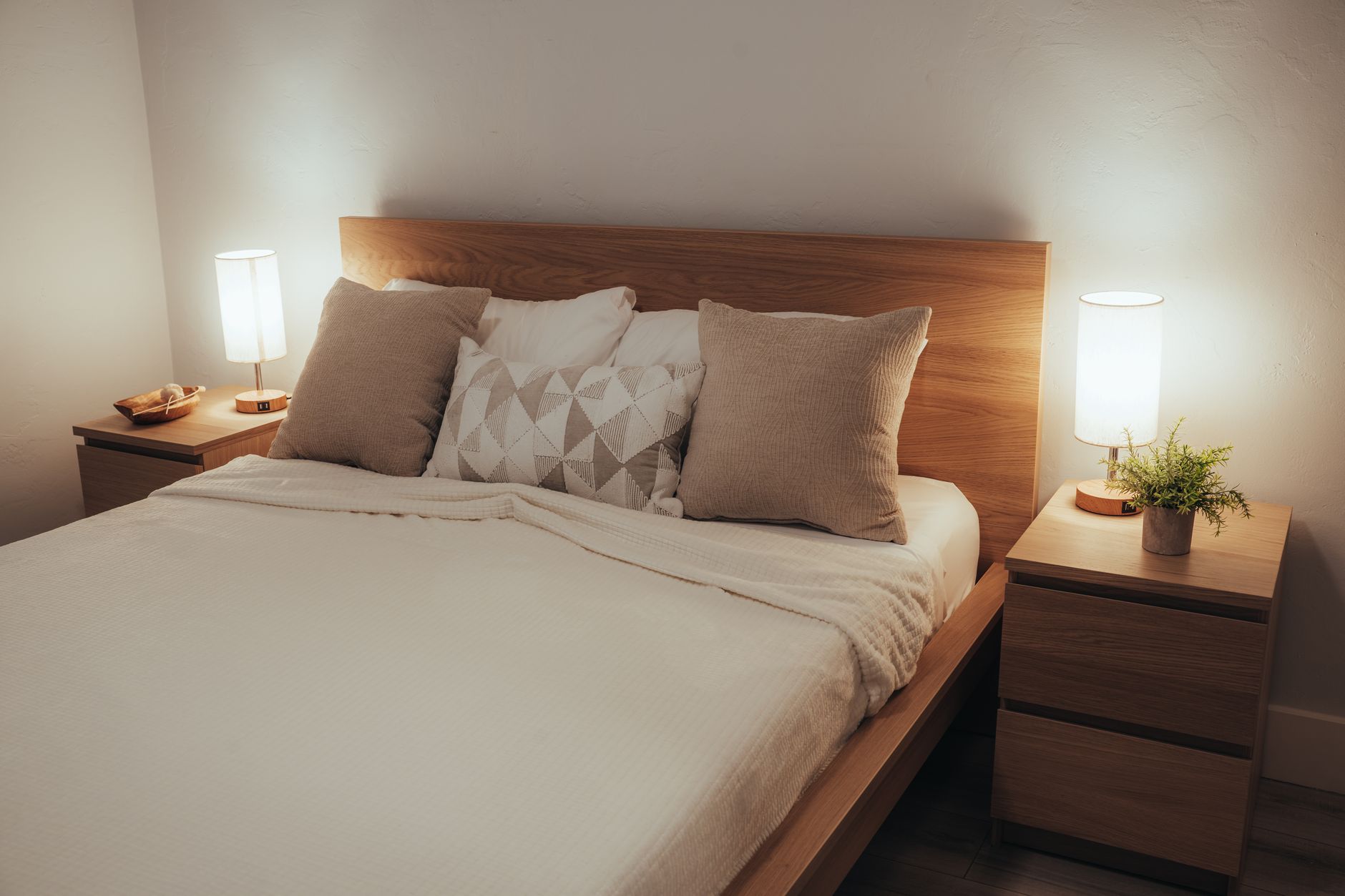
Try a small thought experiment. Tonight, take the mattress off your bed, set it in the garage, and sleep on the floor of your bedroom. Not on a yoga mat. Not on a folded duvet. The bare floor, the way most humans who have ever lived would have recognized as ordinary. You will last, at most, a few nights before something in you quietly rebels and drags the mattress back in.
That rebellion is the whole story of technology in miniature. We like to imagine progress as a series of optional upgrades, things we could walk away from if we chose. In practice, almost every meaningful comfort we invent becomes a one-way door. We step through it, the door closes behind us, and going back stops feeling like simplicity and starts feeling like deprivation.
What a technological ratchet actually is
A technological ratchet is the tendency of a society to adopt a new tool or comfort and then find it nearly impossible to give up, even when the old way still technically works. A ratchet, in the mechanical sense, is a gear that turns in only one direction and locks against turning back. Human comfort behaves the same way. Each new standard becomes the new floor, never a ceiling we can lower again at will.
The bed is the cleanest example there is. For most of human history, people slept on straw, on reed mats, on piled hides, on raised platforms of packed earth, or on simple pallets rolled out at night and stored by day. A bed was something you assembled at dusk and erased at dawn. Then came stuffed ticking, then coil springs, then foam, then memory foam, then mattresses engineered with cooling gel and zoned support and price tags that climb past a few thousand dollars. And somewhere along that climb, the bed stopped being a thing you rolled out and became a thing you build a whole room around.
We did not just invent a better place to sleep. We invented a new minimum, and then we built our houses to hold it.
The comfort becomes invisible, and then it becomes a need
The strangest part of the ratchet is how quickly a luxury disappears into the background and reappears as a necessity. The first generation to own a thing marvels at it. The second generation assumes it. The third generation cannot imagine life without it and would describe its absence as poverty, not minimalism.
Central heating did this. Refrigeration did this. The smartphone did it in under fifteen years, faster than almost anything before it. Ask someone to give up running hot water for a month and they will hear it as a punishment, even though hot water on demand is, historically speaking, an astonishing privilege that almost none of your ancestors enjoyed. The ratchet has clicked. The floor has moved up. There is no comfortable way down.
Why we so rarely go back
It is tempting to call this weakness, but it is closer to gravity. Three forces hold the ratchet in place. The first is the body: comfort recalibrates our baseline, so the old standard now registers as discomfort rather than as neutral. The second is the world around us: once a comfort becomes common, everything is rebuilt to assume it. Houses are framed around bedrooms, bedrooms around bed frames, bed frames around mattresses of a standard size. To opt out is to fight the entire built environment. The third is meaning: comfort becomes a marker of dignity and care, so giving it up reads as failing the people you love rather than as a clean personal choice.
This is why the people who do step back, the tiny-home builders, the van dwellers, the off-grid minimalists, talk about it the way others talk about a discipline or a fast. It is not effortless reversion to a simpler default. It is a deliberate act of swimming against a ratchet that wants to carry everyone in one direction. We explore exactly that trade in how your lifestyle sets your square footage.
Why a studio thinks about beds
We make films, photographs, and games, and that work is really the work of noticing what people treat as ordinary. The objects a culture stops seeing are the ones that reveal it most. A bed, a chair, a screen, a doorway, all of it carries the quiet record of which doors a society walked through and never came back from. When we build a world for a game or stage a scene for a film, we are choosing which ratchets that world has and has not clicked. That single choice tells the audience, without a word, where and when they are.
The next time a new comfort arrives and you reach for it without thinking, pause for one second at the threshold. You are stepping through a one-way door. Worth knowing which ones you choose to open. From here, it is worth seeing how we got to the thousand-dollar mattress in the first place, in the long, strange history of how humans sleep.
Frequently Asked Questions
What is a technological ratchet?
It is the tendency of a society to adopt a new technology or comfort and then find it nearly impossible to abandon, even when the older way still works. Like a mechanical ratchet that turns only one direction, each new standard becomes the new minimum rather than a removable upgrade.
Why is it so hard to give up modern comforts?
Three forces hold them in place: the body recalibrates so the old standard now feels like discomfort; the surrounding world is rebuilt to assume the comfort, so opting out means fighting everything around you; and comfort becomes tied to dignity and care, so giving it up feels like failure rather than choice.
Is going back to simpler living actually possible?
Yes, but it tends to require deliberate effort rather than easy reversion, which is why tiny-home, van-life, and off-grid choices are described as a discipline. They are a conscious act of moving against a powerful one-directional pull.