At this exact moment, someone is lying in a hammock strung between two trees in the Amazon, someone is folding a futon into a closet in a small Tokyo apartment, someone is climbing into a memory-foam bed in a five-bedroom suburban house, and someone is settling into a converted van parked at the edge of a desert. Their homes could not be more different. Their walls are made of different materials, their floors sit at different heights, their entire relationship to space and comfort was shaped by different climates and centuries of different choices.
And all four of them are looking at the same glowing rectangle, scrolling the same feeds, watching the same videos, messaging people on the other side of the planet. This is the quiet miracle, and the quiet strangeness, of the world we have built. We have never lived more differently. We have never been more connected. This essay closes a series that runs through the one-way door of comfort, how humans sleep, and how lifestyle sets the cost of living.
The screen is the great flattener
For almost all of human history, your world was the radius you could walk. The texture of your life, the food, the shelter, the daily rhythm, was set almost entirely by where you happened to be born, and the people you would ever know were the people within reach of your feet. Distance was destiny. A mountain range or an ocean was, for most practical purposes, the edge of the knowable world.
The connected screen collapsed that radius to nothing. A farmer with a basic phone and a film producer in a studio now reach into the same global stream of information, entertainment, commerce, and conversation. The hammock and the five-bedroom house open the same apps. This is the most powerful technological ratchet of all, and it clicked into place faster than any before it. In a single generation, being unreachable went from the default condition of human life to a thing we have to deliberately arrange.
Connection did not erase the differences
It would be easy to assume that sharing the same screens would slowly make everyone the same. It has not. The Tokyo apartment is still tiny, the Amazon night is still humid, the suburban house is still vast and quiet, the van is still mobile and spare. The physical realities of climate, space, and cost are stubborn. They do not dissolve because two people watch the same video. People remain rooted in radically different material lives.
What the screen changed is not the conditions but the awareness. For the first time, those four people can see one another. The van dweller can watch a tour of the Tokyo apartment. The suburban family can learn why the hammock makes sense in that climate. The differences are still real, but they are no longer invisible. We live apart and, increasingly, we live apart together, each aware of how differently the others have solved the same human problems.
The double edge of a connected world
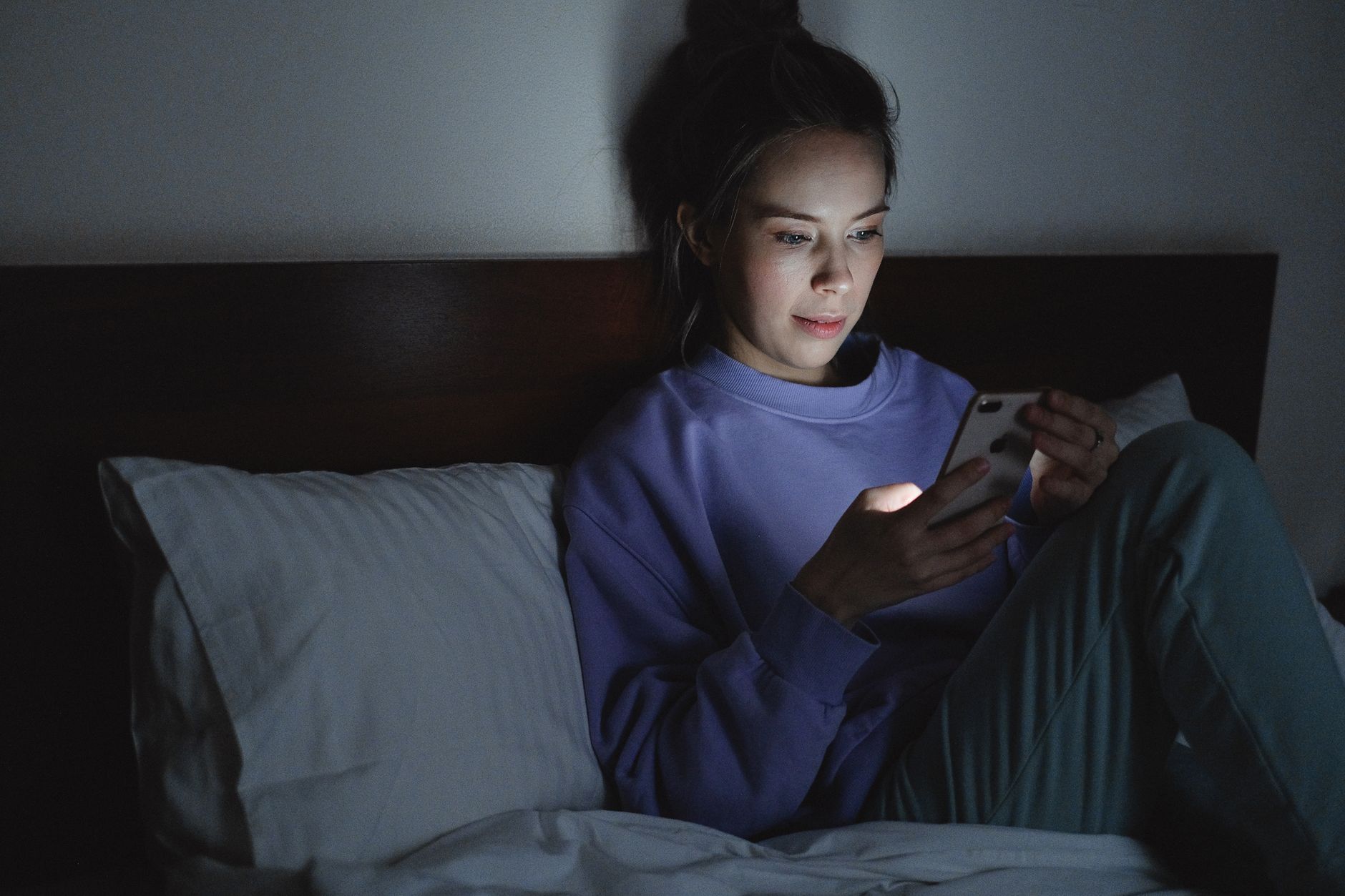
This connection is not an unmixed good, and it would be dishonest to pretend otherwise. The same screen that lets a farmer reach the world also lets the world reach into a quiet room at every hour. It flattens distance but can also flatten attention, pulling people out of the place they are actually in and into a stream that belongs to no place at all. The hammock, the futon, and the memory-foam bed are now all equally vulnerable to lying awake at 2 a.m., lit by the same blue glow.
Like every comfort in this series, connection arrived through a one-way door. We are not going to un-invent it. The question is not whether to have it but how to hold it, how to stay genuinely present in your own four walls, whatever they are made of, while still reaching through the screen to everyone beyond them.
Why this is the work we do
Everything we make at the studio lives in this paradox. We tell stories from one specific place, shaped by one specific set of walls, and we send them through the screen to people whose walls look nothing like ours. A film shot on the prairies can land in a Tokyo apartment. A game built in one room can be played in ten thousand others. The whole craft of remote production exists because the screen lets a story made in one set of living conditions reach an audience living in every other kind at once.
That is the thread that ties this whole series together. We have never slept, lived, or sheltered more differently than we do right now. And we have never been able to reach across those differences as easily as we can today. The walls are different. The glow is the same. The work worth doing is making something honest enough, from inside your own four walls, that it means something inside everyone else’s.
Frequently Asked Questions
How does technology connect people living in completely different conditions?
Connected screens collapse the role of physical distance. A person in a hammock, a small apartment, a large house, or a van can all reach the same global stream of information, media, and conversation. For most of history your world was the radius you could walk; the screen erased that limit in a single generation.
Has global connection made everyone live the same way?
No. The physical realities of climate, space, and cost remain stubbornly different, so homes and lifestyles stay distinct. What changed is awareness, not conditions: people can now see how differently others live, so we live apart together, each aware of the others’ solutions to the same human needs.
What is the downside of a constantly connected world?
The same screen that reaches the world can pull a person out of the place they are physically in, flattening attention and following them into rest. Like other modern comforts, connection came through a one-way door we will not reverse, so the real question is how to stay present where you are while still reaching beyond it.