
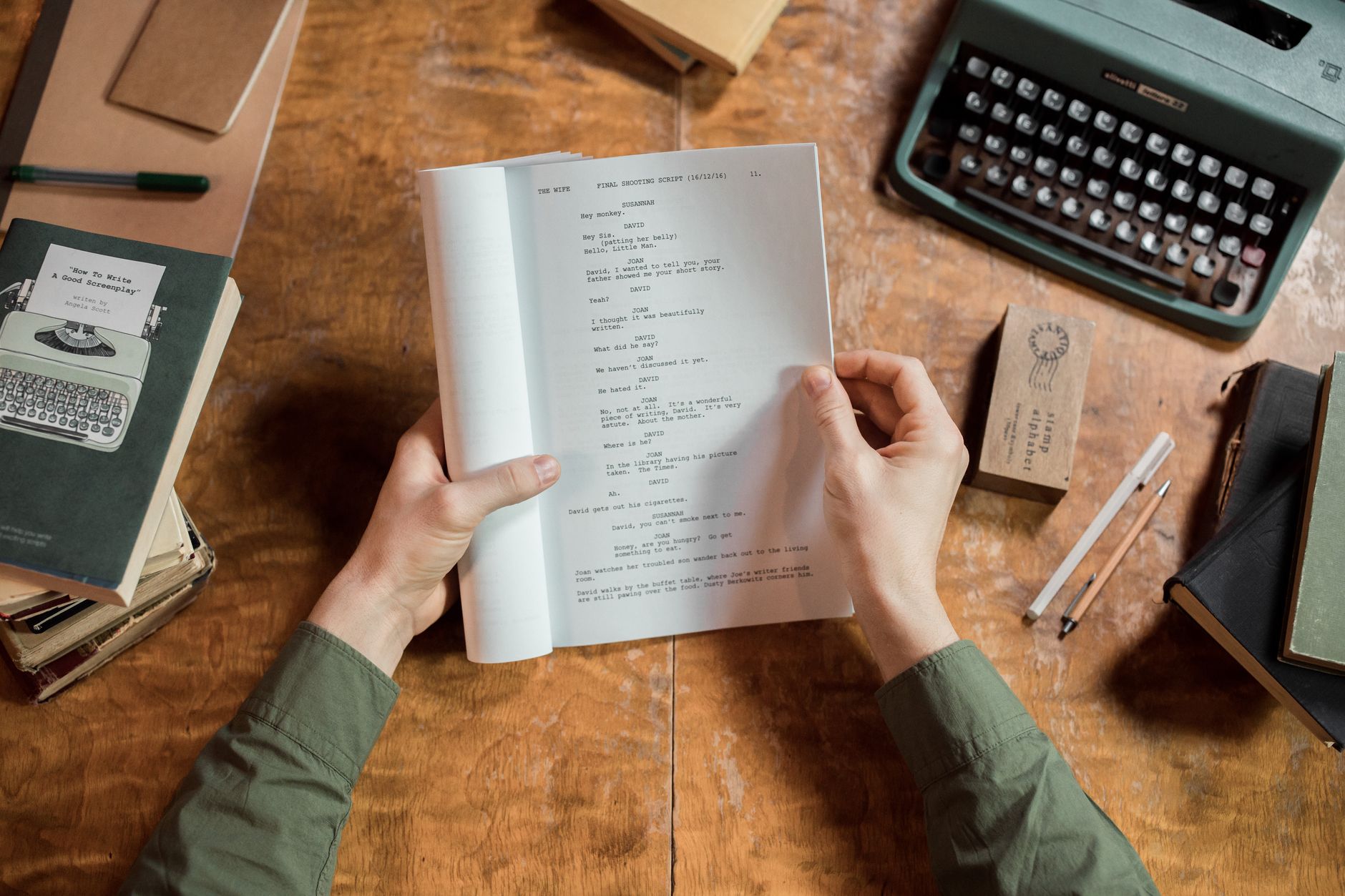
Finding a producer for your screenplay is one of the most misunderstood steps in the industry — and unfortunately, one of the most exploited. Here in Regina, Saskatchewan, at Sinfull Studios, I work as a producer who attaches to projects I genuinely believe in, which means I earn from the project succeeding, not from charging you to read it. That distinction matters more than almost anything else when you are starting to shop your script.
What Does a Producer Actually Do for a Screenwriter?
A producer is not just someone who hands you money. A producer develops the project with you — strengthening the material, packaging it with talent and attachments, finding financing, and shepherding the film or series from script to screen. In practical terms, that means a producer may bring in a director, approach networks or streamers, connect you with entertainment lawyers, and negotiate deals on your behalf. The value they bring is their industry relationships and their ability to get the project made. That is what they are compensated for — usually through producer fees from the budget and a back-end position in the project. They do not charge you, the writer, a cent upfront.
What Is the Difference Between a Producer and a Manager or Agent?
Literary managers and agents are not the same as producers, but they often get lumped together in conversations about “getting your script out there.” An agent is licensed to negotiate contracts and typically takes a commission — around 10% — from deals they close for you. A manager helps guide your career, may develop material with you, and also earns a commission, usually around 15%. Neither of them should charge you an upfront reading fee to represent you. A producer attaches to a specific project and earns from the project itself. Some producers also serve as a writer’s de facto development partner before any formal rep is in place. Getting your material in shape before approaching any of these people is almost always the smarter move.
How Do You Find a Legitimate Producer for Your Script?
The honest answer is that the industry still runs on relationships and referrals. Cold submissions to major production companies are largely closed off unless you have representation. That said, there are real pathways:
- Film festival circuit — attending and entering work builds genuine relationships with producers who are there looking for projects.
- Development labs and writer’s programs — organizations like the Canadian Film Centre, Sundance Labs, and Black List programs put writers in front of credible producers.
- Industry databases — IMDb Pro and Stage 32 let you research who produces the kind of work you are writing and how to reach them through the right channels.
- Screenwriting competitions — placing or winning in credible competitions (Nicholl, Austin, Page) creates a calling card producers pay attention to.
- Script consultants and coverage readers — a professional notes letter from a credible source shows producers the material has been stress-tested.
When approaching producers, lead with a concise query — one paragraph on the project, your logline, comparable titles, and why you are reaching out to them specifically. Do not attach the script unsolicited.
What Are the Red Flags of a Screenplay Scam?
Advance-fee scams targeting screenwriters are more common than most people realize, and they prey specifically on writers who are new, hopeful, and do not yet know how the business works. Watch for every single one of these:
- A “producer” or “manager” charges you an upfront fee to read, represent, or shop your script. Legitimate professionals earn from the project, not from you.
- Unsolicited contact telling you your script has been “selected” or “reviewed” and they want to represent it — for a fee.
- Pressure to sign quickly, or claims that a major studio or streamer is “interested” but the deal requires you to pay for legal fees, registration, or coverage first.
- Vague credentials with no verifiable credits on IMDb or public record.
- Contracts that give someone rights to your script in exchange for money you pay them — that is the opposite of how it works.
If someone is asking you to pay them to get your script in front of buyers, walk away. A real producer bets their time and relationships on your project. That is the deal.
Does Your Script Need to Be “Ready” Before You Approach a Producer?
Yes — and most writers underestimate how ready “ready” means. Producers are not development executives hired to fix your draft. They are looking for material that is close to shootable, or at minimum shows a strong enough voice and concept that minimal development will get it there. A script with structural problems, weak character arcs, or a muddled premise is going to get passed on, no matter how strong the underlying idea is. This is why professional coverage and script notes exist — not to validate you, but to find the problems before a producer does, so you can fix them first. At Sinfull Studios, our script and development services are built around exactly this: getting your material production-ready, not telling you what you want to hear.
What Does a Pitch Package or Pitch Deck Do for You?
A pitch deck is a visual document — usually 10 to 20 pages — that sells the world, tone, and commercial potential of your project to producers, financiers, and networks. It is not a substitute for a great script, but in today’s market it is often what gets the meeting. It covers your logline, series or film concept, characters, tone with visual references, your target platform, comps, and the creative team. A strong deck shows a producer that you understand how your project lives in the market. It also shows you are serious enough to have done the work. We put these together as part of our flat-fee coverage and decks, proof-of-concept teasers quoted by scope — all of it designed to make your project look like what it should be: a real production.
Can a Proof-of-Concept Teaser Help You Attract a Producer?
A proof-of-concept is a short filmed piece — usually two to seven minutes — that demonstrates the tone, world, and execution of your larger project without being a trailer for a film that does not exist yet. It is most powerful for series concepts and for writers or directors with no significant credits, because it removes the guesswork for a producer. Instead of asking them to imagine your vision, you show them. Medicine Women (Maskihkiwiskwew), the original series teaser produced by Sinfull Studios, was built exactly for this purpose — to prove the concept on screen before approaching the market. It is one of the most credible tools a writer-producer team can have, and it is something we produce for projects we take on.
How Does Sinfull Studios Attach as a Producer?
I attach to projects I believe in — that is the short version. With real on-set credits in location management, scenic carpentry, and IATSE work, I come to producing from the production side, not the development-executive side. That means I understand what it costs to make something, what crews and logistics look like, and what is actually achievable at different budget levels. When I take on a project as a producer, I am not charging the writer. I am putting my relationships and my time into the project because I think it can get made and that it is worth making. If your project is not there yet, I will tell you that — and I can help you get it there through our script and development services before we have that conversation.
Explore script coverage, pitch decks, and proof-of-concept production at Sinfull Studios for more.
Related reading from Sinfull Studios
- Screenwriting in Saskatchewan
- Optioning vs Selling a Screenplay
- How to Sell a Screenplay in Canada
- Script & Development Services
Have a screenplay? Explore script coverage, pitch decks, and proof-of-concept production at Sinfull Studios, or get a free quote.
Frequently Asked Questions
Do producers charge screenwriters an upfront fee to shop their script?
No — a legitimate producer does not charge you to read or shop your script. Real producers earn through producer fees from the film’s budget and a back-end position in the project. If someone is asking you to pay them upfront to represent or shop your screenplay, that is a red flag for an advance-fee scam. Walk away.
How do I approach a producer about my screenplay without getting ignored?
Research producers who make the kind of project you have written — check their credits on IMDb Pro and look for contact information through their company or a verified industry platform like Stage 32. Send a brief, professional query: one paragraph with your logline, genre, comparable titles, and why you are reaching out to them specifically. Do not attach your script unsolicited. Getting professional script coverage or notes before you reach out also signals that you take your work seriously.
What is a proof-of-concept teaser and why does it matter for attracting a producer?
A proof-of-concept teaser is a short filmed piece — typically two to seven minutes — that demonstrates the tone, world, and visual execution of your larger project. It is especially powerful for TV series pitches and for writers or directors without significant screen credits, because it removes guesswork. Instead of asking a producer to imagine your vision, you show it to them. A strong proof-of-concept can open doors that a script alone cannot.