
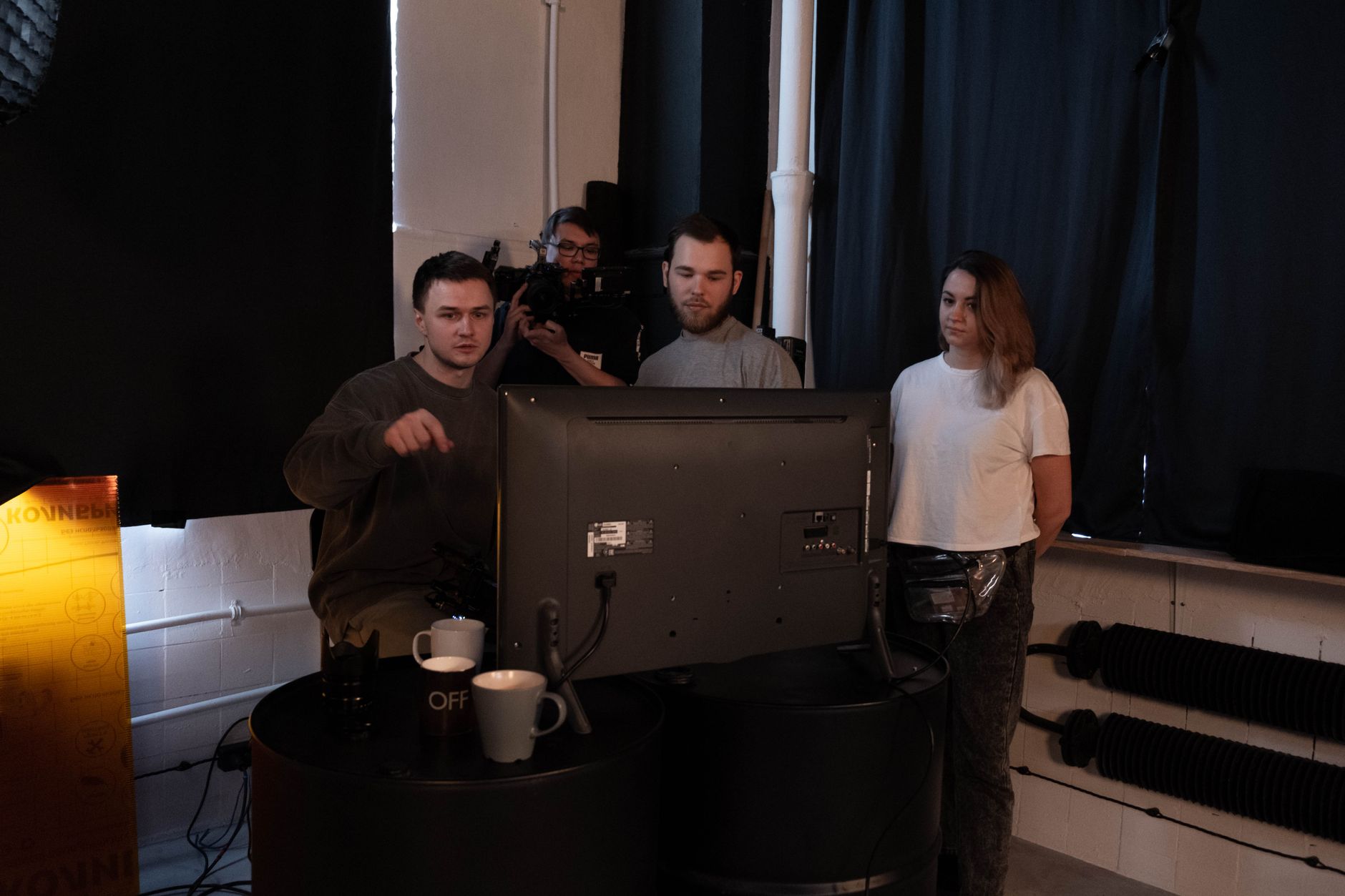
At Sinfull Studios, Wrath is not about volume. It is about standards that still hold when the novelty is gone. Hype is easy at the start of a project. Anyone can sound committed in a meeting or while the gear is still clean in the truck. The harder test comes later, when the call time is early, the load-in is awkward, the weather shifts, and the work needs steady hands. That is where practical field discipline starts separating itself from empty energy.
Film, stage, and outdoor work all expose the same truth from different angles. The work does not care how impressive you sounded beforehand. It cares whether you showed up on time, staged the basics properly, communicated clearly, and kept your judgment intact when conditions got less comfortable. Saskatchewan has a plain way of teaching that lesson. Wind, distance, cold, dust, and long daylight in one season or short daylight in another all strip the sales pitch off a person pretty quickly.
Hype Peaks Early and Fades Fast
Hype loves the beginning of a project because the beginning is where imagination is cheapest. Big statements feel good before the cables are rolled, before the route is muddy, before the crew is tired, and before the second change of plan lands at once. Practical discipline shows up later and carries more weight. It looks like charged batteries, labeled cases, clear cue notes, working headsets, weather layers, backup media, clean cable paths, and enough water and food that nobody starts making bad decisions because the basics were ignored.
No one gets extra credit for acting hard while the fundamentals come apart. In fact, that performance usually makes the room less useful. Loud confidence can hide weak preparation until the exact moment the team most needs honesty. Field discipline does the opposite. It makes people easier to work with because they are not spending energy protecting an image. They are paying attention, speaking plainly, and solving the problem in front of them without adding theatre to it.
Film Work Rewards Repeatable Habits
On a film set, repeatability matters more than excitement. Marks need to be remembered. Media needs a clean path from camera to backup. Sound needs protection from wind and unnecessary clutter. Batteries need rotation, especially in prairie cold where charge drops faster than people expect. Locations need to be left in good condition. The call sheet needs to be believed, not treated like a suggestion. When those habits are in place, the day has room for actual creative decisions. When they are missing, even strong ideas get dragged through preventable friction.
The best production days often look uneventful from the outside. That is not because nothing is happening. It is because the system is doing what it was built to do. Cases are where they should be. People know the next setup. Weather cover appears before gear gets soaked. A parking issue gets handled without everybody hearing about it. A missed beat is corrected early instead of turned into a mood. If you look through film credits or spend time in the portfolio, the polished result is only the visible layer. The supporting layer is disciplined repetition.
Stage Work Depends on Invisible Order
Stage work is even less patient with ego because the audience only sees the front side of the system. Backstage, everything depends on quiet order: props reset properly, spike marks where they belong, cable runs taped cleanly, exits kept clear, timing notes updated, and crew communication brief enough to stay useful. A theatre, school, or community hall in Saskatchewan may not have endless resources or perfect infrastructure, which makes discipline more important, not less. You work with the room you have and remove confusion before house open.
That is why hype is a weak fuel for stage work. It burns hot during setup and disappears during the tenth small task no one will ever applaud. Field discipline is better because it respects the long middle of the day. It is patient enough to reset the prop table again, double-check the dimmer path, re-tape the cable someone loosened, and confirm the sightline from the seats that usually reveal the problem first. The audience experiences smoothness because someone backstage refused to be casual.
- Reliability beats intensity. Teams need repeatable habits more than motivational volume.
- Systems protect creativity. Clear staging, labeling, and timing free people to solve real problems.
- Conditions do not care about branding. Prairie wind, cold, fatigue, and rough access expose empty talk fast.
Outdoors Ends the Argument
Outdoor work settles the question quickly because nature has no interest in the story you tell about yourself. Cold hands slow fine motor work. Mud changes access. Dust gets into closures and optics. Long drives on grid roads punish sloppy loading. A hot afternoon becomes a cold evening faster than some crews plan for. In that environment, practical discipline means layers packed on purpose, pace managed honestly, tools maintained, and turnaround points respected before fatigue turns into risk.
This is also where macho posturing becomes especially unhelpful. Pretending you are fine when you are underdressed, dehydrated, or losing focus does not make you tougher. It makes you harder to trust. Useful discipline is honest early. It says the battery needs warming, the route needs changing, the truck should not go farther, or the setup needs ten more minutes to be safe. Film, stage, and outdoor work all benefit from that same plain habit: say what is real while there is still time to act on it.
Trust Is the Real Outcome
In Saskatchewan, people tend to recognize dependable work faster than flashy talk. They remember who was prepared, who stayed useful in bad weather, and who protected the team from preventable mess. That is one reason Wrath belongs behind the studio. It names the controlled edge that keeps standards high after the excitement burns off. If you want the broader values around that approach, start with the studio story. The through-line is simple: steady habits beat self-promotion when the work gets real.
So why does practical field discipline matter more than hype in film, stage, and outdoor work? Because only discipline carries the load after the speech is over. It keeps people safer, protects the quality of the result, and gives the day a better chance to stay calm under pressure. Hype can attract attention, but it cannot tape a cable, manage a weather shift, reset a prop, or get a crew through a cold morning with clear heads. If you prefer the quieter standard, reach out. That is the kind of work Sinfull Studios respects most.
Related reading from Sinfull Studios
- Working as a One-Man Game Studio: What It Actually Takes
- Announcing Medicine Women: Our First Original Series
- Running Seven Businesses at Once: What Actually Works (And What Does Not)
- Sinfull Studios in Regina
Based in Regina, Saskatchewan. Explore Sinfull Studios or request a quote from Sinfull Studios.